The Promise of Return: Cashback and Rakeback in the Crypto Casino Age
Two men walk into a crypto casino on the same Tuesday morning. The first man has been promised cashback: ten percent back on every dollar he loses.
Jump to a section (5)
Two men walk into a crypto casino on the same Tuesday morning. The first man has been promised cashback: ten percent back on every dollar he loses. The second man has been promised rakeback: recovery of the house fee he paid. Both men believe they have made a bargain with luck. Both men are partly right. Both men are partly deceived. This is the ancient human story dressed in modern currency.
Cashback is the casino's promise: we will refund a portion of your losses. The intention appears generous. The arithmetic tells a different story. The establishment offers you back five percent of what you lose, betting you will wager more. This mechanism functions perfectly. A bettor who expects to recover five cents of each dollar wagered becomes willing to risk additional dollars. Across months, this single behavioral shift costs him substantially more than the cashback repayment. The offer is real. The advantage to the player is illusory.
An acquaintance of mine, a fellow of genuine character, participates in poker matches in a church basement venue, once confided that the house rake constitutes the fee for participation and one did not contest it. You paid the fee or you abstained from engagement. Rakeback is the casino saying: we will return you a fraction of the rake you paid. In principle, this is honest. In practice, it is seductive. A gambler who knows he will recover part of his costs is someone who will accept larger costs. He will play at stakes slightly higher than he would play without the rakeback promise. He will participate in more sessions because the incentive structure now rewards volume. The rake returned looks like a gift. What it actually is: permission to lose more.
The Structure of the Promise
Cryptocurrency establishments offer these things more generously than traditional casinos because the traditional houses have learned patience. The brick-and-mortar operations know that the slightest behavioral shift in a customer's direction, the smallest increase in total volume played, accumulates into losses that dwarf the initial incentive. The crypto venues, being newer and more desperate for patronage, overpay on these arrangements. They believe they are being clever. They are attempting kindness. Kindness in an establishment is a form of danger.
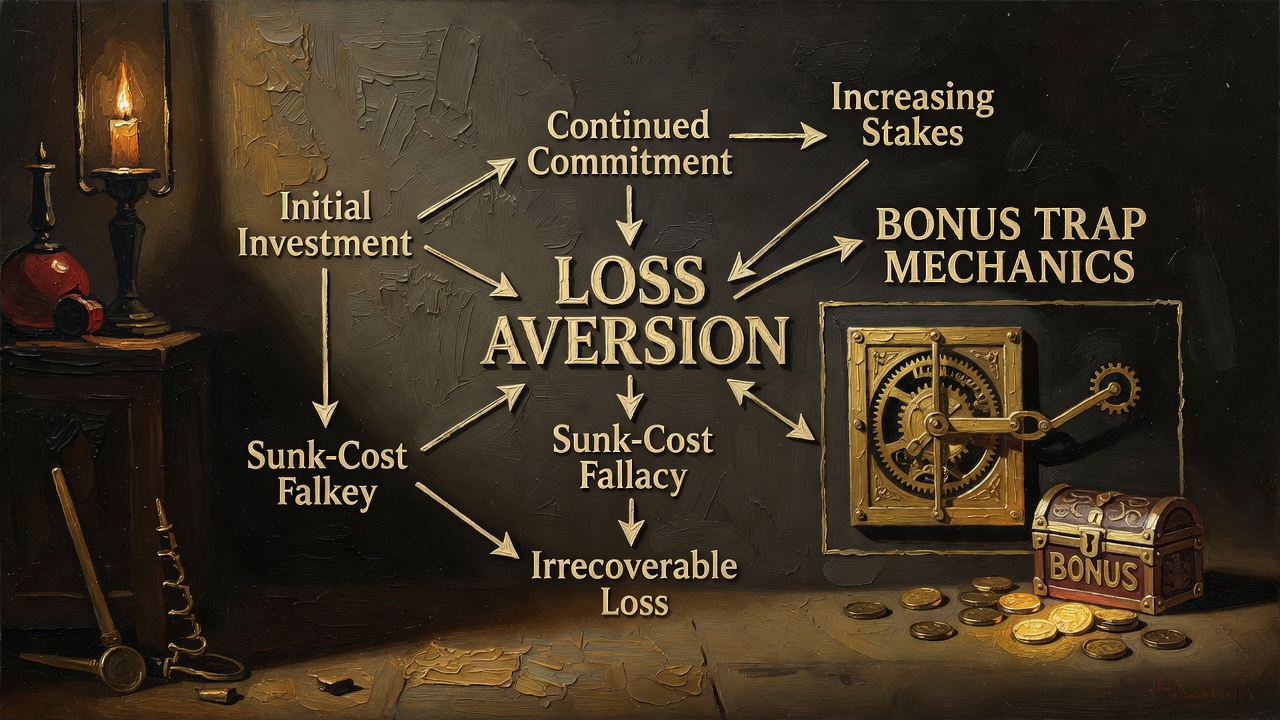
A bettor gets his cashback. The sum shows up in his account. He observes it. He envisions it mentally. It joins his bankroll. It grants permission to approach the next session with seriousness. Before receiving cashback, losing one thousand dollars stung and felt final. Now it becomes nine hundred dollars of pain softened by one hundred dollars of recovery. The arithmetic remains unchanged. The psychology shifts profoundly. The bettor will subsequently risk that recovered amount on subsequent hands, additional sessions, following weeks. The house understands this mechanism. The house engineered the promotion precisely so it triggers.
The Ancient Path
There is a story told in the South about a farmer who made a deal with a traveling man. The traveling man offered to loan the farmer seed for the spring planting. The farmer would pay back the loan with a share of the harvest. The seed was good. The harvest came in strong. The traveling man came to collect his share. But the farmer had used the same seed to plant more fields than he normally would have planted. The traveling man took his share. The farmer's share was less than he would have had if he had used his own seed, planted his normal amount, and kept all the harvest.
This is cashback. This is rakeback. This is the promise of return. The casino offers it knowing that the offer will cause you to risk more. The offer is not a lie. It is a structure built so that accepting the offer changes your behavior in ways that disadvantage you. The promise comes true. You do receive your cashback. You do recover your rakeback. And somehow, by the end of the year, you have lost more than you would have lost without the promise at all.
The house that offers to give money back is not a generous house. The house is simply a house that understands human nature better than the player understands himself.
The Truth in Crypto
Crypto casinos offer these incentives in percentages that seem almost absurd compared to traditional casinos. This is because crypto casinos operate with lower trust. A player choosing between a traditional casino with a gaming license and a crypto casino with a promise needs incentive. Crypto casinos have learned to provide massive incentive. Fifty percent rakeback. Twenty percent cashback. Annual rewards that seem to promise genuine recovery.
Certain bettors win despite these frameworks. Certain individuals exhibit discipline so rigorous that they wager exactly what they intended, claim their recovery, and withdraw when withdrawal makes sense. These individuals are uncommon. Most gamblers respond to the incentive structure precisely as the architects intended. They wager more. They lose more. The recovery seems advantageous, when truthfully the recovery simply permitted them to lose more severely.
The crypto casino age has not solved the ancient problem of human longing. It has simply applied cryptocurrency to it. The offer is still a mirror. The offer still shows us what we want to see. The recovery is still real and still insufficient. And somewhere in the back room of a house that does not have a government license, a man in front of a screen is counting on the fact that this truth will not change you. The promise will work. It always does.