How Casino Withdrawals Work: A Case Study in Delayed Payouts
A player won forty thousand dollars at a slot machine and requested withdrawal. The casino processed it. Slowly. Here is exactly what happens during that lag, and why.

What the CasinoX analysts read in the operator data and on the prediction markets, one drop at a time.
A player won forty thousand dollars at a slot machine and requested withdrawal. The casino processed it. Slowly. Here is exactly what happens during that lag, and why.
Crypto casino deposits incur hidden exchange rate spreads and are vulnerable to price movement during blockchain confirmation, effectively adding to the house edge.
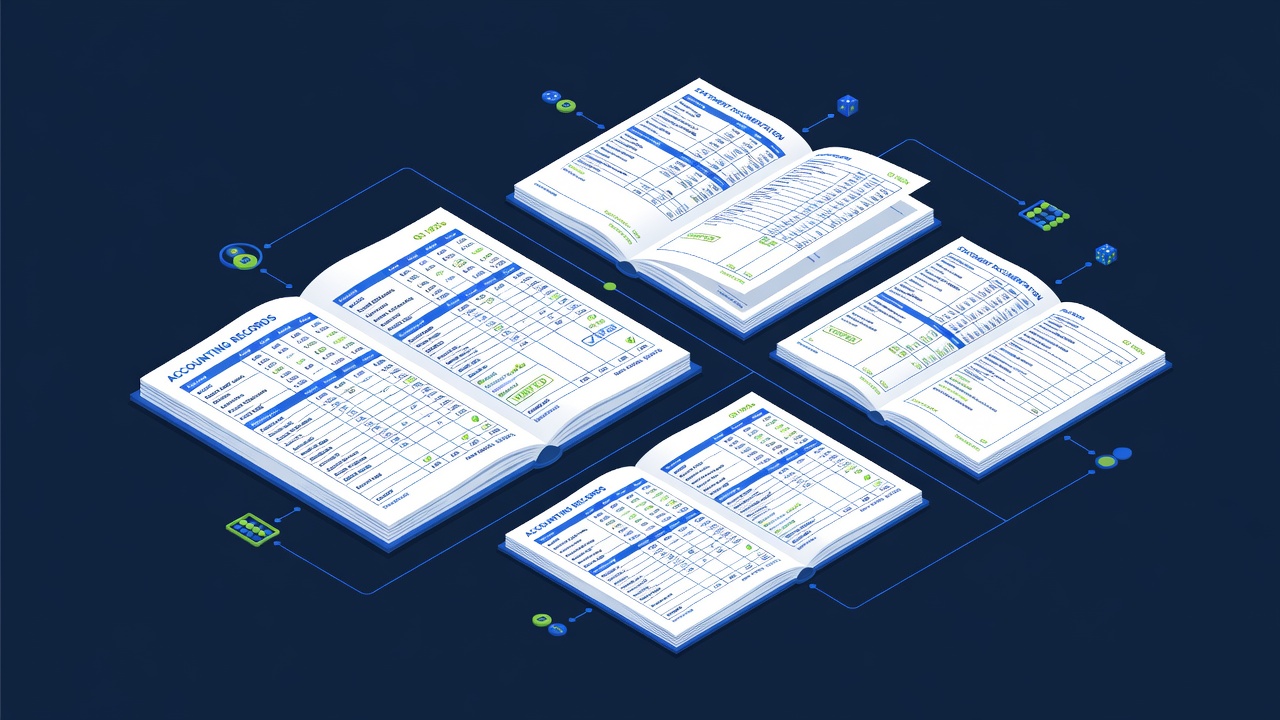
Okay, so actually, people get casino cashier statements COMPLETELY wrong all the time. Like, absolutely nuts how many people don't understand what they're looking at.
The casino opened at noon. Marcus arrived at 1:47 p.m. on a Tuesday in March, the kind of day when the parking lot is mostly empty and the slots run lonely chimes.
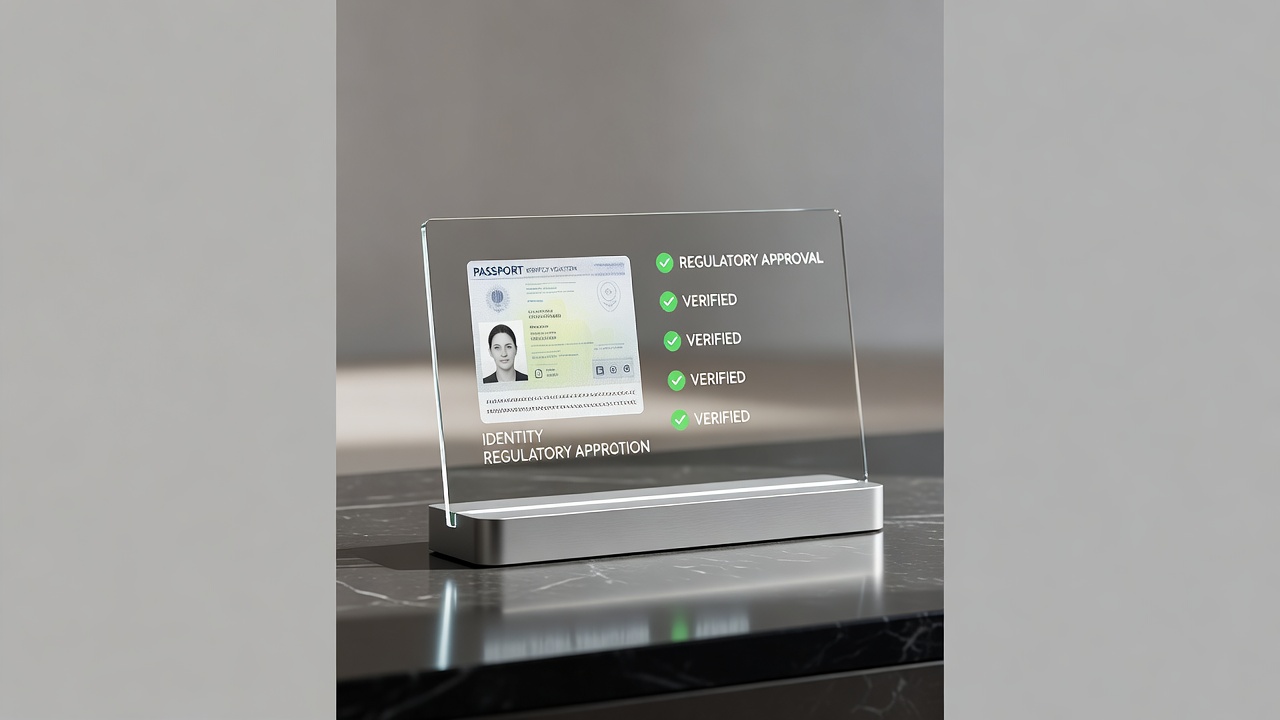
KYC stands for Know Your Customer. Anonymous casinos skip this entirely. The difference is larger than it appears.
I learned why this rule exists by watching a friend run a betting shop in Hackney. Let me set the scene first.
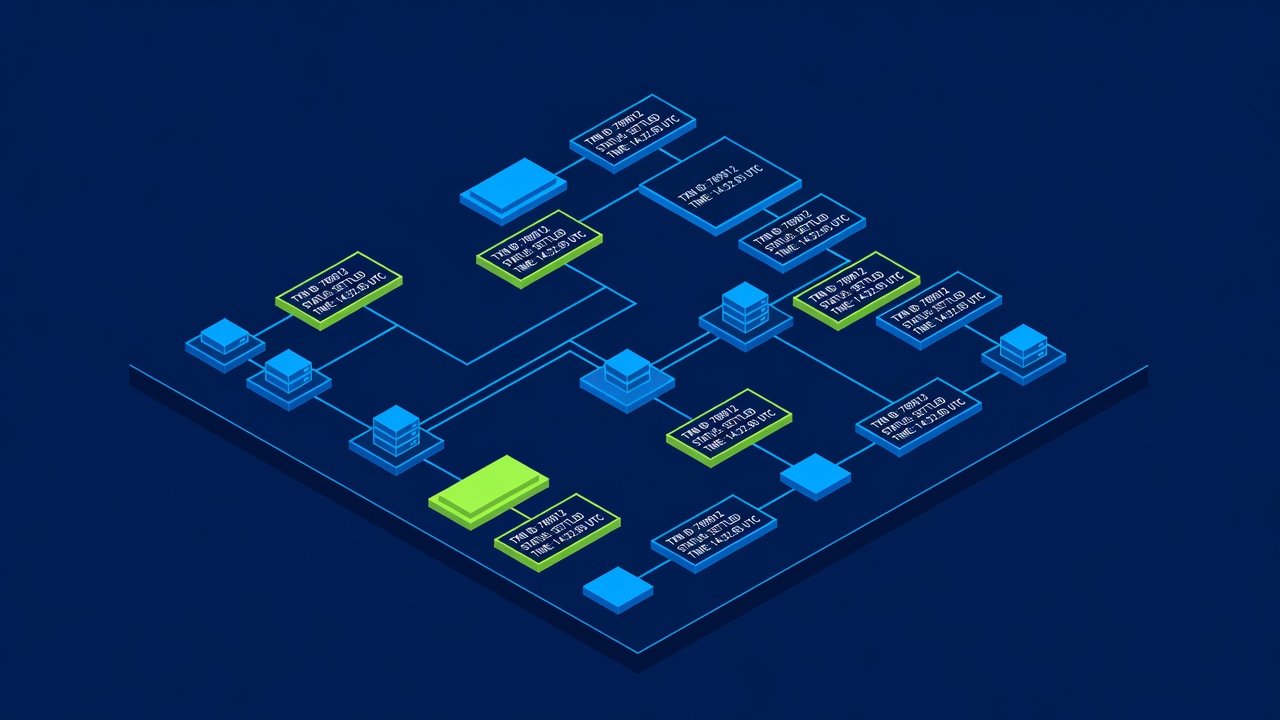
A payout takes two times: pending and processing. Most players confuse them. Casinos rely on the confusion.
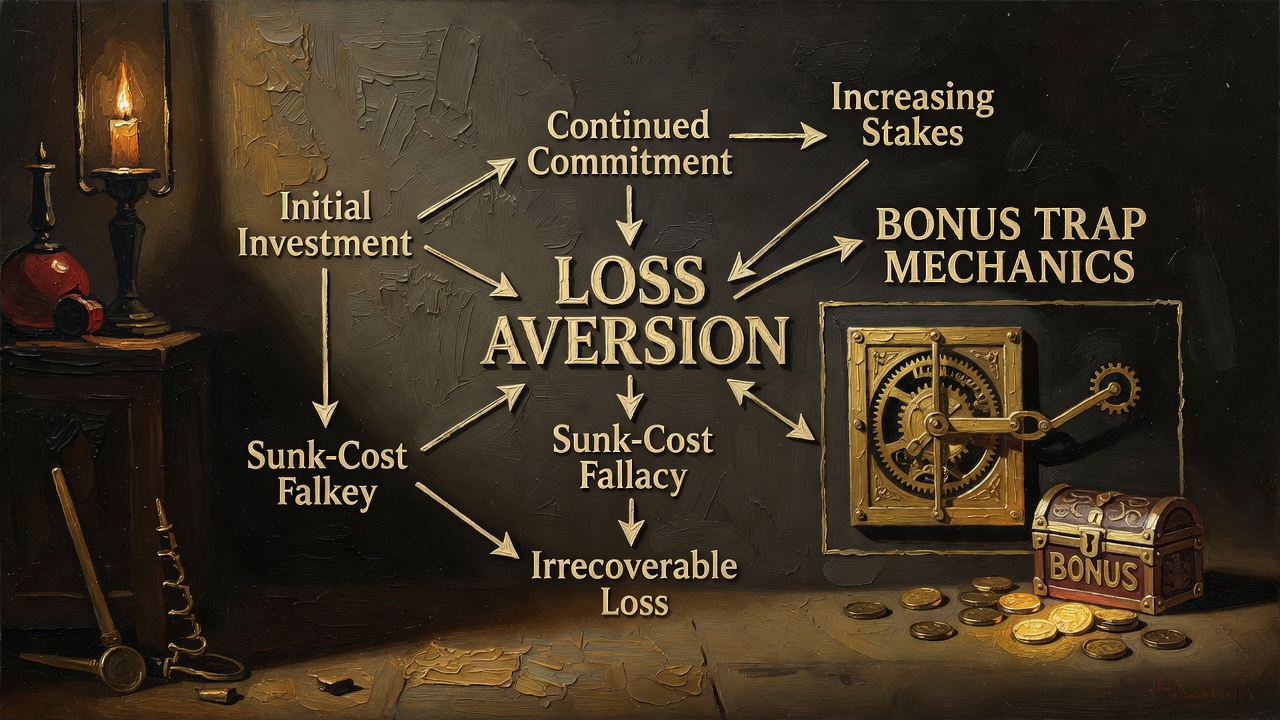
Loss aversion and the sunk-cost fallacy meet promotional psychology in the fine print of no-deposit bonuses.
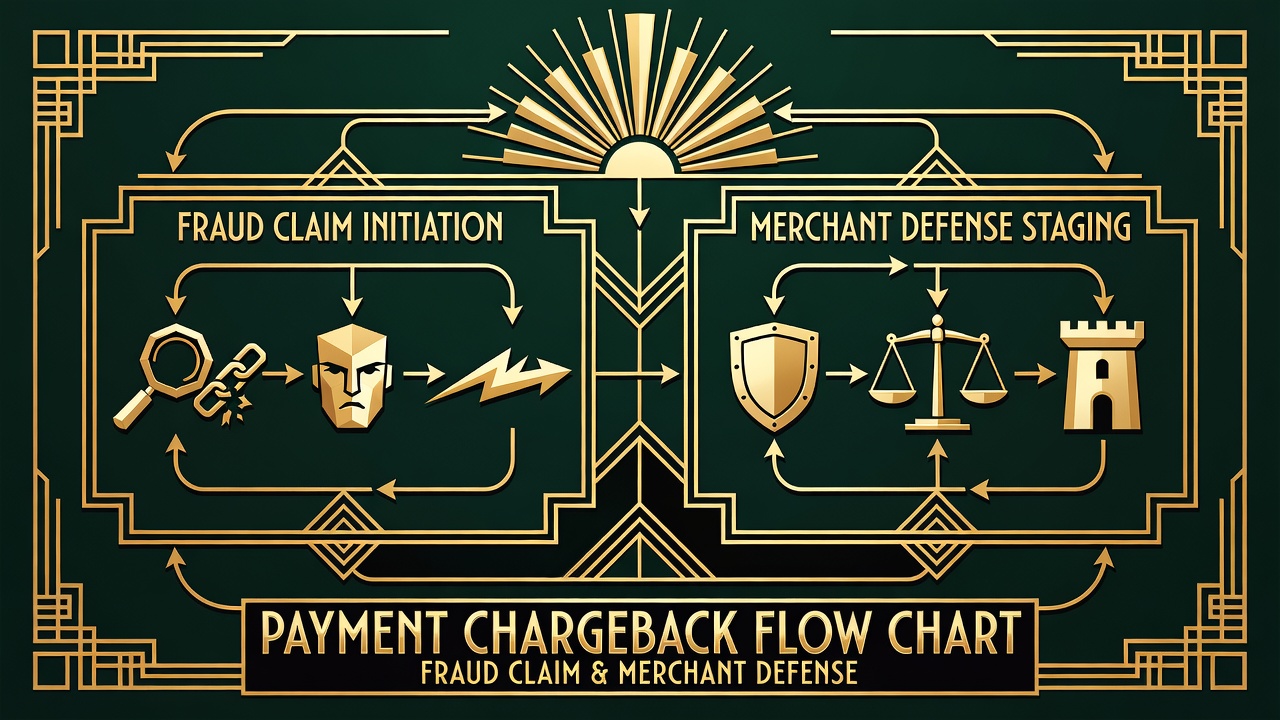
I spent fifteen years tracking fraud. Chargebacks in online gambling are one of the most exploited loopholes in the system. Here is how they work and why the house fights them so hard.
Blockchain promises to decentralize poker by removing the middleman (the poker room). Theory is elegant. Practice is messier. Here's why it has not worked yet.
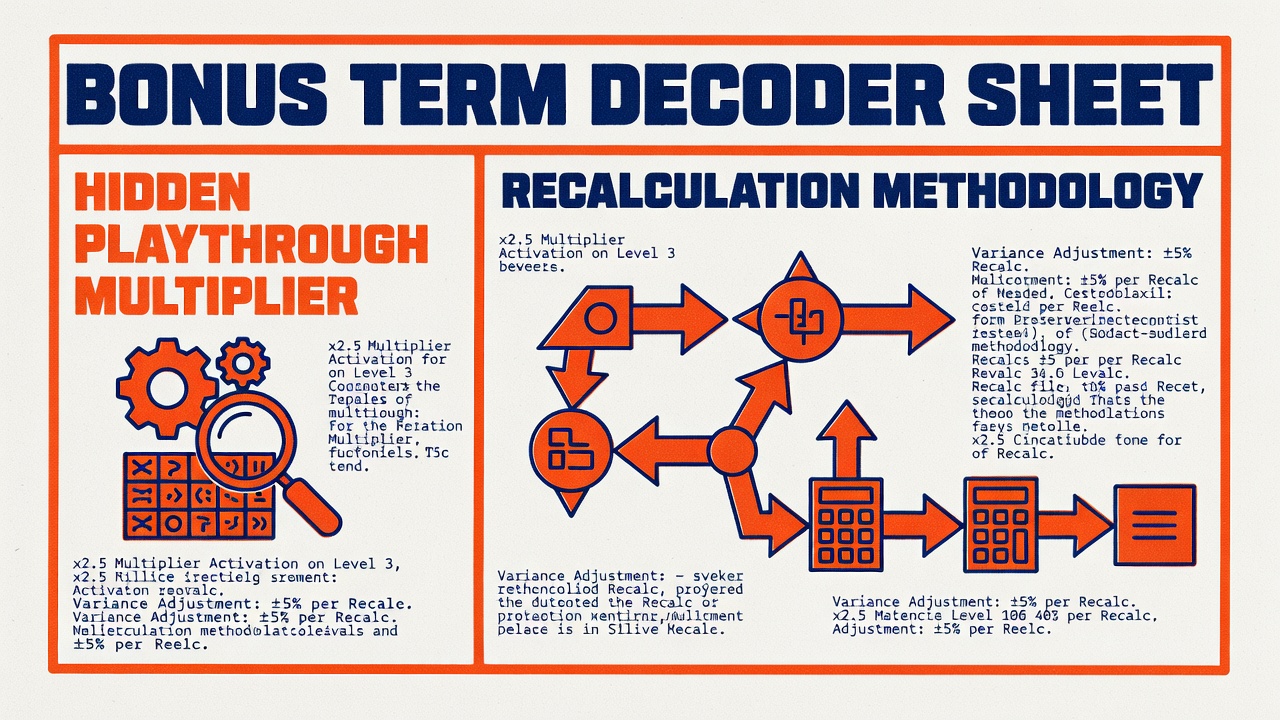
A casino bonus claims "no playthrough required." That actually means nothing until you read the hidden terms. Here's how to decode marketing-speak into reality.
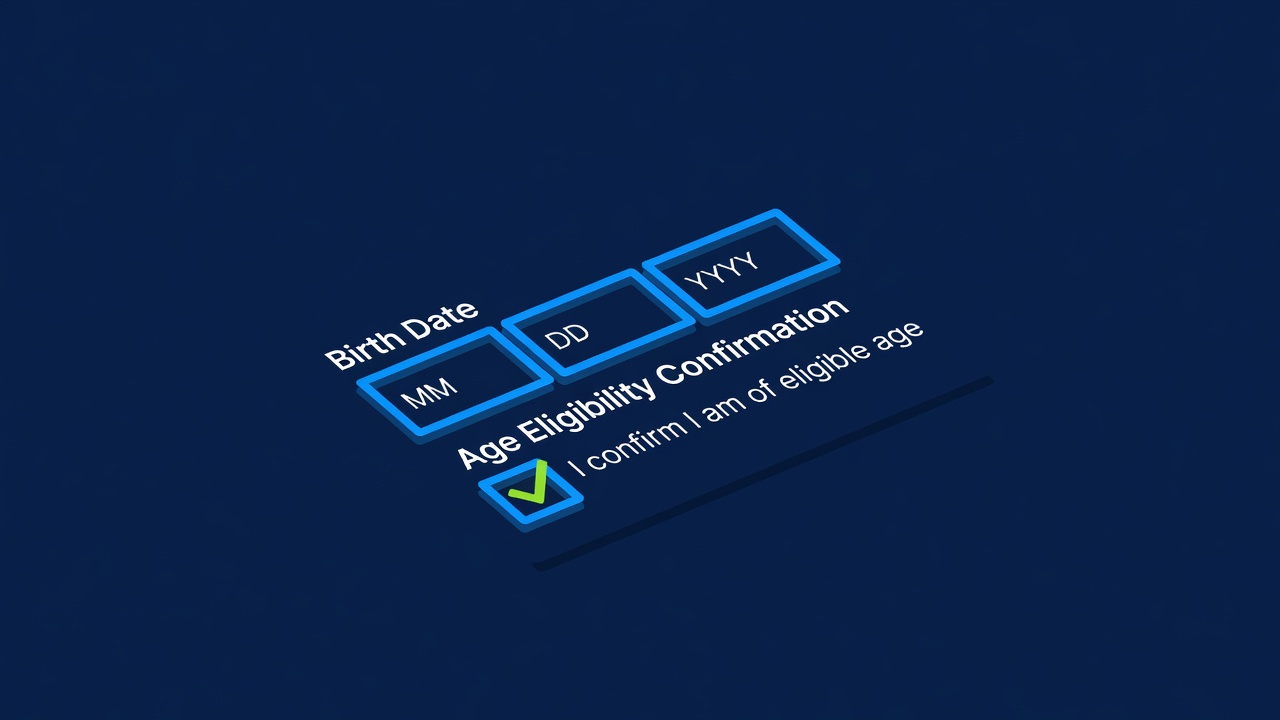
Age verification is required by law in most jurisdictions. Here's how operators actually implement it, what data they check, and where the system has gaps.