The city was different in 1989. The Mirage had just opened. It was the new jewel of the Strip. Elmer Sherwin was eighty years old. He had survived the war. He had survived a life. He knew something about odds.
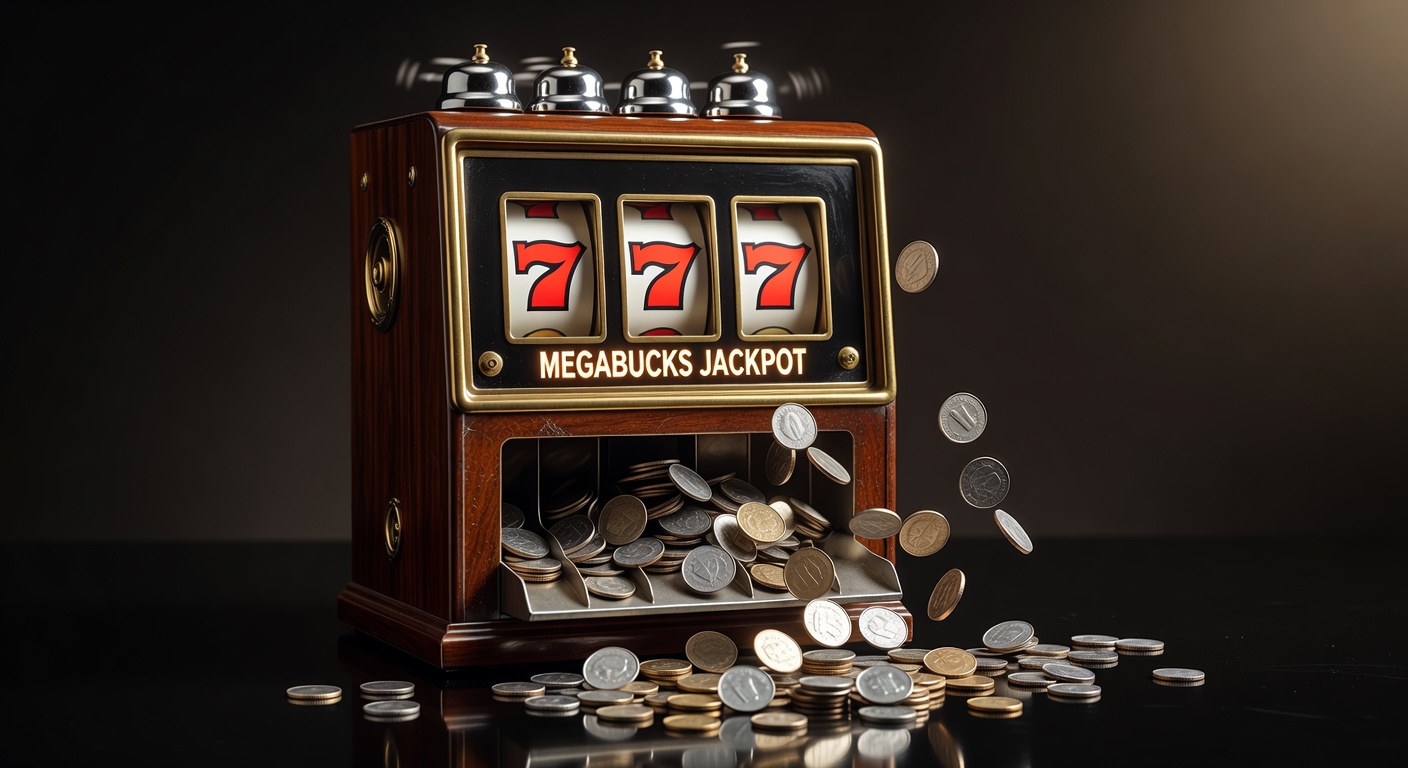
He sat at the Megabucks machine. These machines are linked across Nevada casinos. A single player's loss feeds a pooled jackpot that grows daily. The base payout can be two, three, four million or more.
Sherwin played. Pulled the handle. Bells. Lights. The machine announced he had won 4.6 million dollars. The odds of hitting Megabucks were roughly one in 50 million. He had done it.
Two decades later, in 2005, Sherwin was ninety-six years old. He returned to the same casino. He played the same machine type. He hit again. This time for 21.1 million.
The probability is difficult to express. The odds of hitting a 50 million to one event twice in a lifetime is so low that actuaries usually ignore it. The math breaks down at certain levels of improbability.
What Makes This Different
Megabucks is a machine designed around exactly this kind of outcome. The base payout is usually small. But the progressive jackpot grows and grows until someone hits it.
The RTP (return to player) for Megabucks is typically around 90-92%, meaning the house takes 8-10% of all wagered money across the network. That money funds the jackpot.
A single massive win looks like luck. Two massive wins looks like something else. Either the most improbable coincidence in gaming history, or something is not as random as it appears.
Investigators checked the machines. They found no fraud. Both machines were legitimate. Both were paid out correctly. Both outcomes were recorded and verified.
The Statistical Perspective
In strict probability terms, Sherwin was statistically impossible. If he had lived to play slots for another thirty years, the expected number of Megabucks wins he would see is still less than one.
Yet it happened twice.
Some statisticians have suggested the variance in Megabucks is poorly modeled. The machines might not be as independent as assumed. But this is speculation. The hard data shows two wins.
The Narrative
What is interesting is not the math, but the story. An old man. A war veteran. Two transformative wins separated by decades. He did not die between wins. He lived to hit again.
The improbability created mythology. News outlets ran the story. Casino analysts studied him. He became a figure in the folklore of casino gambling. The man who beat the machine twice.
In reality, Sherwin was a man who played slots and got incredibly lucky. But the improbability lifted him out of ordinary luck into the realm of myth. One in fifty million is unusual. One in fifty million twice is legendary.
The Payoff
Sherwin received his winnings in annuities and lump sum payments (he chose lump sum). The first win changed his life. At eighty, a sudden 4.6 million was effectively unlimited wealth.
The second win, sixteen years later, was less transformative. He was already wealthy from the first win. But the significance was the repetition. He had somehow done the impossible twice.
He lived comfortably. He did charitable work. He was financially secure from that point forward.
What It Tells Us
Sherwin's wins do not validate slot play as a strategy. The odds are still 50 million to one against hitting Megabucks. The expected return is still negative.
But Sherwin's existence proves that improbable outcomes, while improbable, are possible. A one in 50 million event will happen to someone eventually. It happened to Sherwin twice.
The practical lesson is not to play Megabucks hoping to repeat Sherwin. The practical lesson is to understand that improbability is not the same as impossibility. What appears impossible might be merely extremely unlikely.