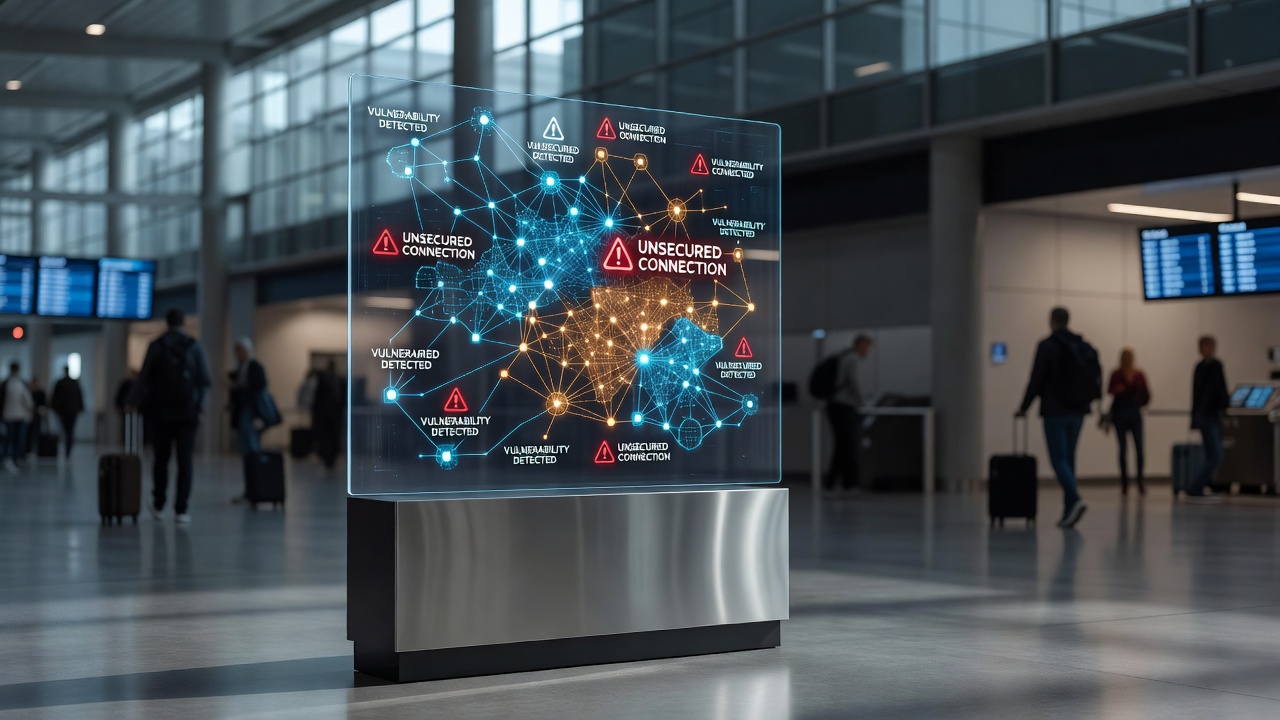
A coffee shop in Berlin has 47 people on the public Wi-Fi network named "CafeNet_Free." One of them is you, on your phone, logged into your account at DraftKings, ready to deposit 200 EUR. On the same network is a person using a packet-sniffing application that cost 15 EUR to download. They can see your login traffic. They can see your password. They can see your account session token.
Public Wi-Fi networks are inherently insecure. The network traffic is broadcast in the clear, accessible to anyone who knows how to listen. When you connect to a public network, you are broadcasting your data to everyone nearby.
The Interception Attack
SSL encryption (HTTPS, the little lock in your browser) protects the content of your login, but if the Wi-Fi network is compromised at the router level, the attacker can perform a man-in-the-middle attack. They position themselves between you and the router, intercept your traffic, and if you have not implemented certificate pinning on your device, they can decrypt it.
Most mobile gambling apps do not use certificate pinning. They rely on SSL. SSL is good. But on a compromised network, it's not enough.
Once the attacker has your session token (the unique identifier the casino uses to confirm you are who you say you are), they do not need your password. They can impersonate you. They can log in to your account from anywhere, anytime. They can change your password. They can transfer your balance. You notice nothing until the money is gone.
The Credential Harvesting Route
Another vector: the attacker creates a fake Wi-Fi network called "CafeNet_Free" at the same coffee shop. Your phone, searching for networks, thinks this fake one is legitimate. You connect. Now all your traffic flows through the attacker's device. They see everything.
This is called an evil twin attack. It's simple. It works. A person did this in London in 2019 and compromised 340 user accounts across five online casinos, stealing approximately 670,000 GBP. They were never caught.
What Betting Sites Are Doing
Responsible operators (DraftKings, Stake, Bet365) have implemented several defenses:
- Multi-factor authentication (MFA). If the attacker logs in, the casino sends a code to your registered phone. Without it, they cannot access the account.
- Device fingerprinting. The casino tracks which devices normally access your account. A login from an unfamiliar device triggers a verification step.
- IP reputation checking. If your account logs in from an IP known to be associated with compromised networks, the casino flags it.
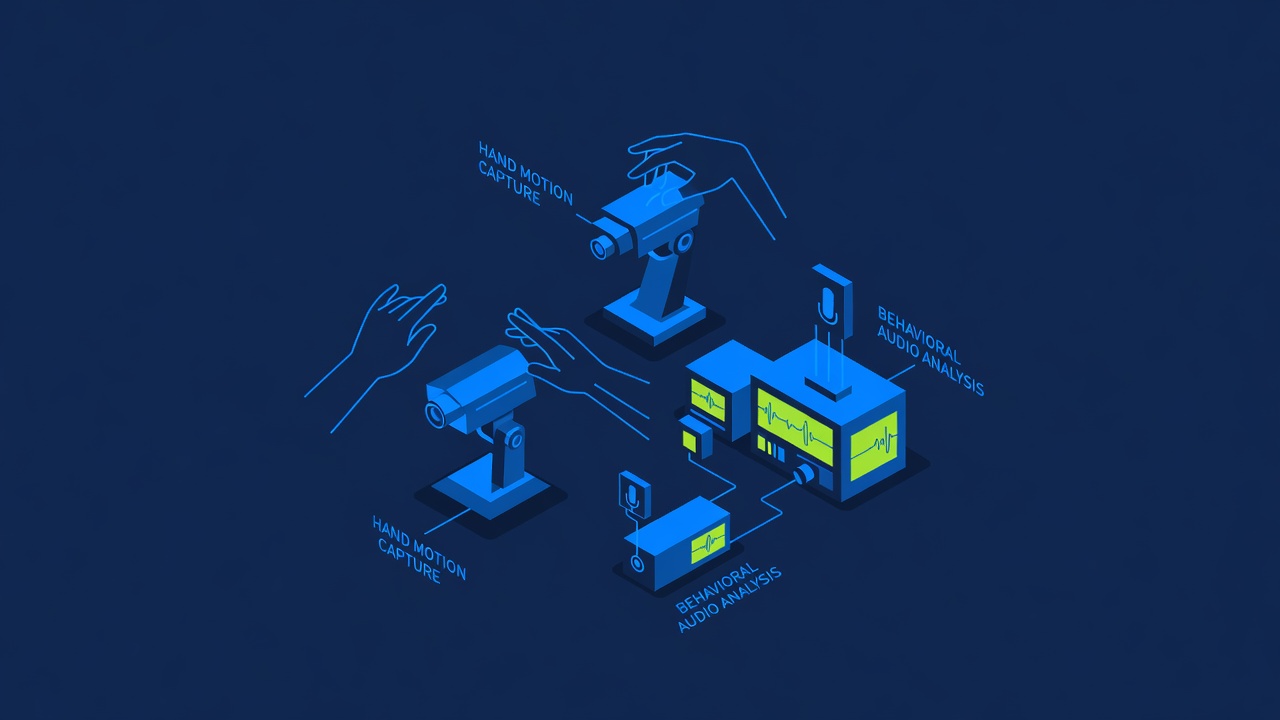
- Behavioral analysis. If you suddenly make a withdrawal request at 3 AM from a country you've never accessed from before, the casino notices and asks for verification.
But these are all reactive. They trigger after the attacker is already in. A determined attacker with your session token can often move fast enough to clear your account before MFA even triggers.
What You Should Do
Do not gamble on public Wi-Fi. Use your phone's cellular data, or go home. If you must use Wi-Fi, use a VPN (virtual private network). A quality VPN encrypts your traffic and routes it through a secure server before it reaches the casino. An attacker on the public network can no longer see your login or your session.
But be careful with VPNs too. Some VPNs are compromised or sell your data. Use a reputable one (Mullvad, IVPN, ProtonVPN). Never use a free VPN for financial transactions. Free VPNs make money by selling your traffic data.
Enable multi-factor authentication on every casino account. Use a password manager to generate unique 20-character passwords for each site. If one casino is breached, the others stay secure.
The password is often not the weak point anymore. The session token is. Protect it by not gambling on networks you don't control.