I was sitting in a casino in Reno. Guy next to me was playing slots. I asked him what he was playing.
He said, "I don't know. The machine looked lucky."
That's not a strategy. That's surrender.
The paytable is your only tool. Learn to read it.
What The Paytable Shows
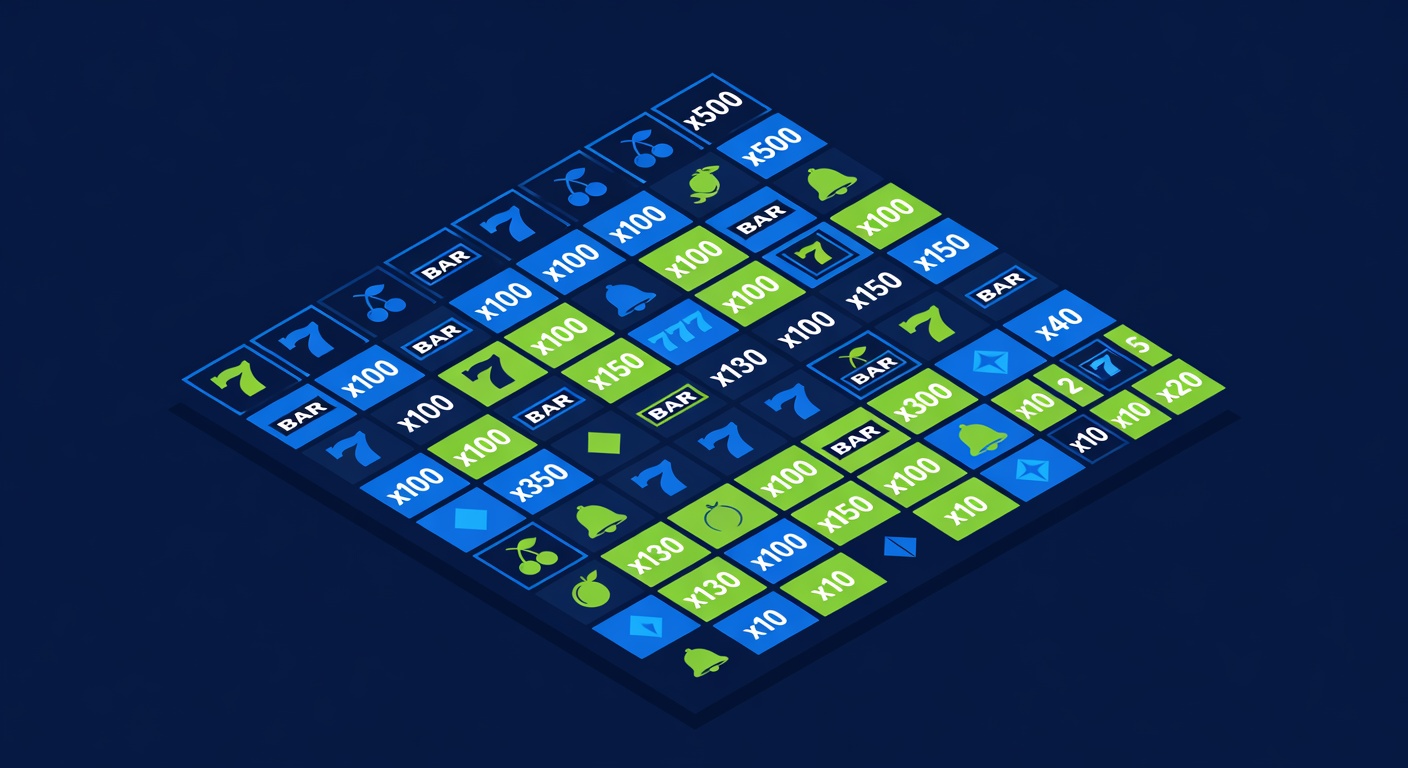
The paytable shows what each combination pays. Three cherries. Five bars. A jackpot symbol.
It also shows the RTP (return to player). Usually 85% to 99%. This is the long-run percentage that gets returned to players.
It shows the volatility. Sometimes listed as high, medium, low. Sometimes shown as hit frequency.
Hit frequency is how often you hit a winning combination. High hit frequency machines pay small amounts frequently. Low hit frequency machines pay large amounts infrequently.
Reading The Symbols
Higher value symbols are rarer. Lower value symbols are common.
If a cherry pays 1x your bet and an orange pays 3x, you'll see cherries more than oranges.
If a jackpot symbol pays 1,000x and an orange pays 3x, you'll see oranges way more than jackpots.
This is the mathematical foundation of the game.
The RTP Problem
RTP of 95% means you expect to lose 5%. Over millions of spins, this is reliable.
But you're not playing millions of spins. You're playing 100 or 1,000.
At 100 spins, you might be up. You might be down 50%. Variance is real.
Don't confuse RTP with expectation over your session. You're likely to lose money. The RTP just tells you how much on average.
Hit Frequency and Volatility
High hit frequency: you win something often. But the something is usually small. You feel like you're playing longer. You're not building a bankroll.
Low hit frequency: you win something rarely. But when you win, it's bigger. You feel frustrated but satisfied when it hits.
Neither is better. They're different experiences.
The Paytable Comparison
Same casino. Two machines. Both 95% RTP.
Machine A: paytable shows many winning combinations, average payout 2x bet. Hit frequency 25%.
Machine B: paytable shows few winning combinations, average payout 20x bet. Hit frequency 2%.
Both have 95% RTP. Machine A feels like you're playing forever with small swings. Machine B feels like you're waiting for the big hit.
Choose based on your preference, not based on thinking one is better.
The Bonus Round Question
Many paytables show bonus rounds. Free spins. Wheel spins. Secondary games.
Read carefully. Does hitting the bonus guarantee a big payout? Or does the bonus give you a chance at a payout?
Often the bonus is a game where you can lose. The paytable might show the bonus, but not the probability of winning the bonus or what the bonus pays.
Read the fine print.
What Good Paytable Reading Does
Good paytable reading tells you:
- Realistic expectations. If RTP is 85%, expect to lose 15% of your bet over time.
- Which machine fits your mood. High hit frequency or low?
- Relative values. This cherry is worth more than that bar.
Good paytable reading does not tell you:
- Which machine will hit the jackpot next.
- Whether you'll win in your session.
- A strategy to beat the machine.
The paytable is information. It's not a strategy. But informed bets are better than lucky bets.