Stablecoins in Online Gambling: USDT, USDC, and DAI Compared
The Economic Distinction
A stablecoin is a token that trades at approximately USD 1. But the mechanism by which it maintains that price differs by design. The gambler making a deposit cares because different mechanisms have different failure rates.
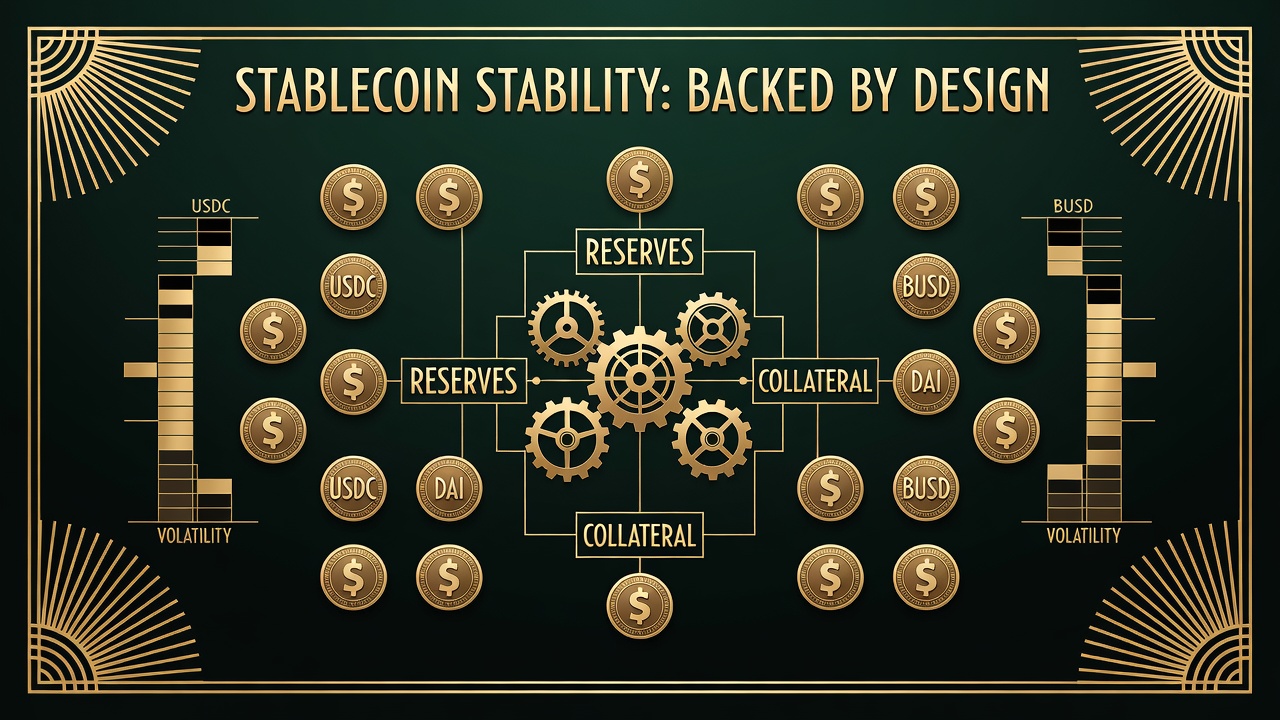
USDT (Tether) is centralized. Tether Limited holds reserves (USD, other assets) and issues USDT tokens. The value is backed by those reserves (in theory). If Tether lies about having reserves (they have been accused), the peg breaks. If Tether's reserves are held with a failing custodian, the peg breaks.
USDC (Circle) is similarly centralized but with different governance. Circle publishes attestations from auditors monthly. USDC is slightly more transparent than USDT.
DAI is decentralized. It's an algorithmic stablecoin. It maintains its peg through a system of collateralization and incentives, without a central entity holding reserves. The risk is different: if the algorithm fails (collateral system breaks, incentives misalign), DAI can unpeg.
The Gambling Use Case
A gambler deposits USDT at a casino. The casino receives USDT. The gambler plays and loses (or wins). When withdrawing, the casino sends USDT back to the gambler's wallet.
The risk: if USDT depegs (its value drops below 1 USD), the gambler has received less value than expected. If the casino had no USDT reserves (they sold them for USD or other crypto), they cannot return equivalent value.
Most regulated casinos (those accepting crypto) hedge this risk. They convert USDT to USD immediately upon receipt. They don't hold stablecoin risk. But unregulated casinos might hold USDT, in which case an unpegging event would hurt them directly.
The Peg History
USDT has briefly unpegged twice (2018, 2023). The largest move was to USD 0.95 (5% discount). For a gambler with USD 10,000 in USDT, this was a USD 500 loss in accounting terms, though the casino likely hedged.
USDAI and DAI have both briefly unpegged, with DAI moving to USD 0.92 in extreme market conditions (March 2020, May 2022). DAI recovered because the protocol incentivized arbitrage (buy DAI at 0.92, redeem for 1.00 worth of collateral).
The Transaction Cost
USDT can be transferred on Ethereum, Tron, Polygon, and other blockchains. Transaction costs vary. On Tron, USDT transfers cost roughly USD 1. On Ethereum, they cost USD 15-50 depending on congestion. On Polygon, USD 0.01.
USDC has similar cost structure. DAI is primarily on Ethereum and Polygon.
For the gambler, the transaction cost determines whether it's worth depositing and withdrawing in stablecoins. A USD 100 deposit on Ethereum DAI might cost USD 20 in transaction fees (if using Ethereum). On Polygon, it costs USD 0.20. The venue matters.
The Custody Question
If a gambler holds stablecoins in their own wallet (self-custodied), they bear no custodian risk. The only risk is the stablecoin protocol itself. If they hold stablecoins in a casino account, they trust the casino's custody. If the casino is hacked or insolvent, the stablecoins are lost.
The Comparison
For a gambler who values transparency: USDC is marginally better than USDT (monthly audits vs occasional disclosures). For a gambler who values decentralization: DAI is better (no central custodian). For a gambler who values adoption (more casinos accept it, more liquidity): USDT is most liquid.
The marginal differences are small. All three can unpeg under stress. The best protection is the casino's hedging policy: do they hold the stablecoins, or do they immediately convert to USD? If they convert immediately, the gambler's risk is minimal. If they hold, the risk is higher.