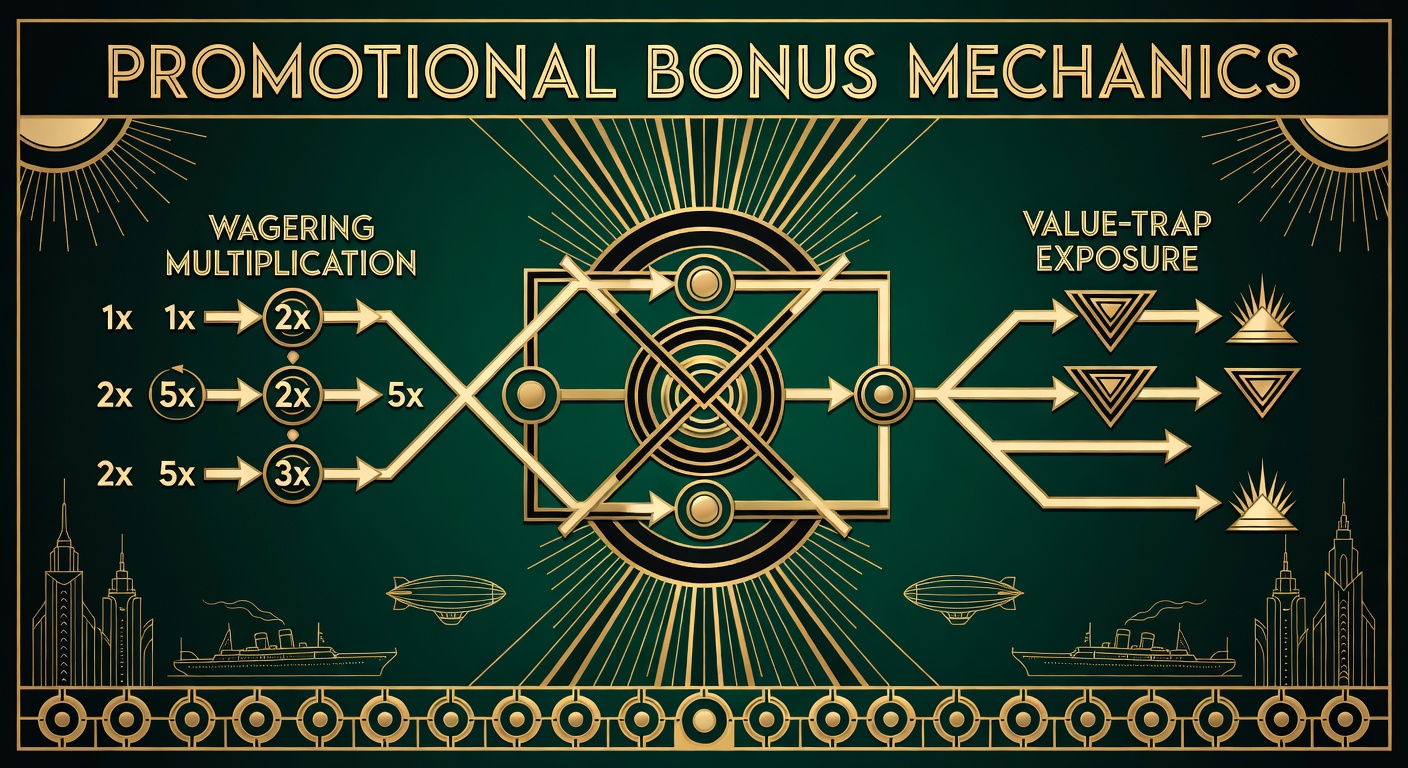
VIP programs at online casinos recycling your losses back to you in calculated scraps, designed to feel valuable while extracting asymmetrical returns.
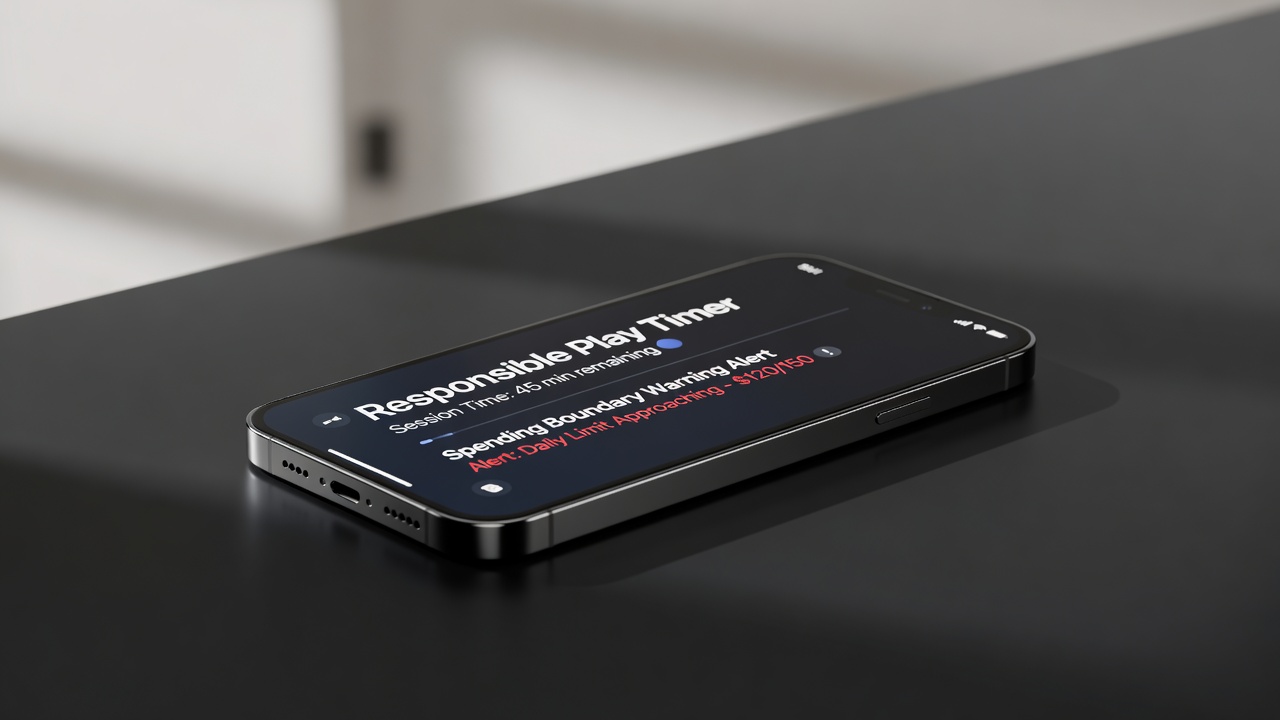
Mobile gambling apps include built-in safeguards that interrupt the psychological mechanisms driving problem play. Here's how to enable and maintain them.
I once knew a guy who memorized blackjack paytables and thought he had it figured out. He didn't. Here is what actually matters when you are looking at the numbers.
Jamie Gold won with aggressive position play and table psychology. How one accountant's readable style redefined what championship poker looked like on television.
Live dealer games let you watch a real person deal real cards. The technology is sophisticated, the dealer is genuine, and the experience is slower than algorithm but more psychologically stable.
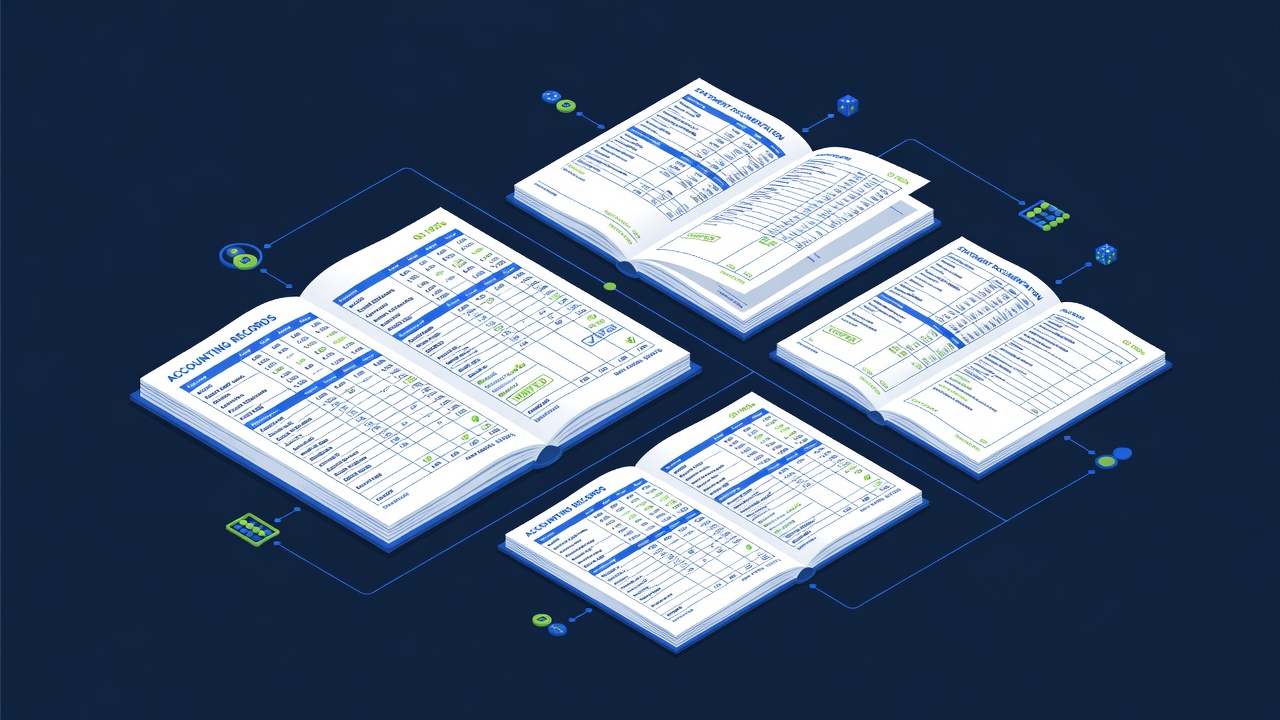
Okay, so actually, people get casino cashier statements COMPLETELY wrong all the time. Like, absolutely nuts how many people don't understand what they're looking at.
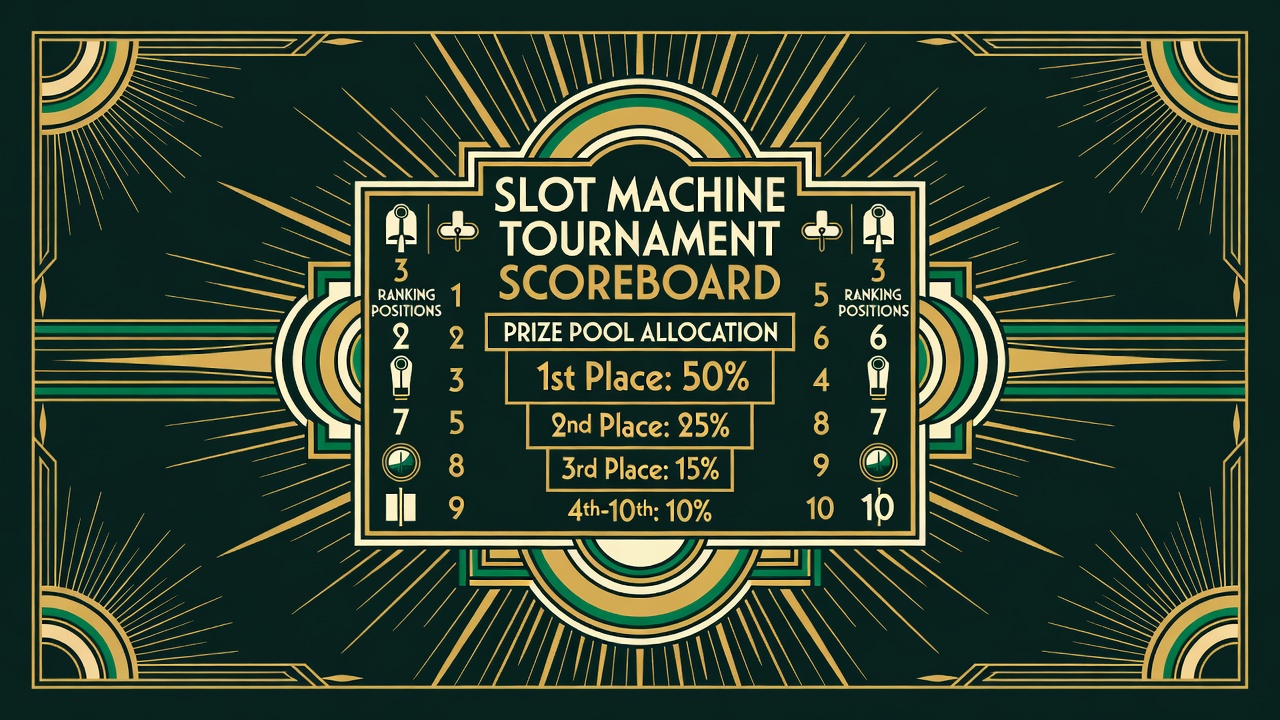
Picture a Wednesday night at the slots. The machine next to you suddenly goes wild with bells and lights while your three-cherries win sits silent. The difference might be whether that player is in a tournament or playing solo.
The live dealer works for the platform, but also for you. The ritual of tipping carries obligations and signals that most players never consciously understand.
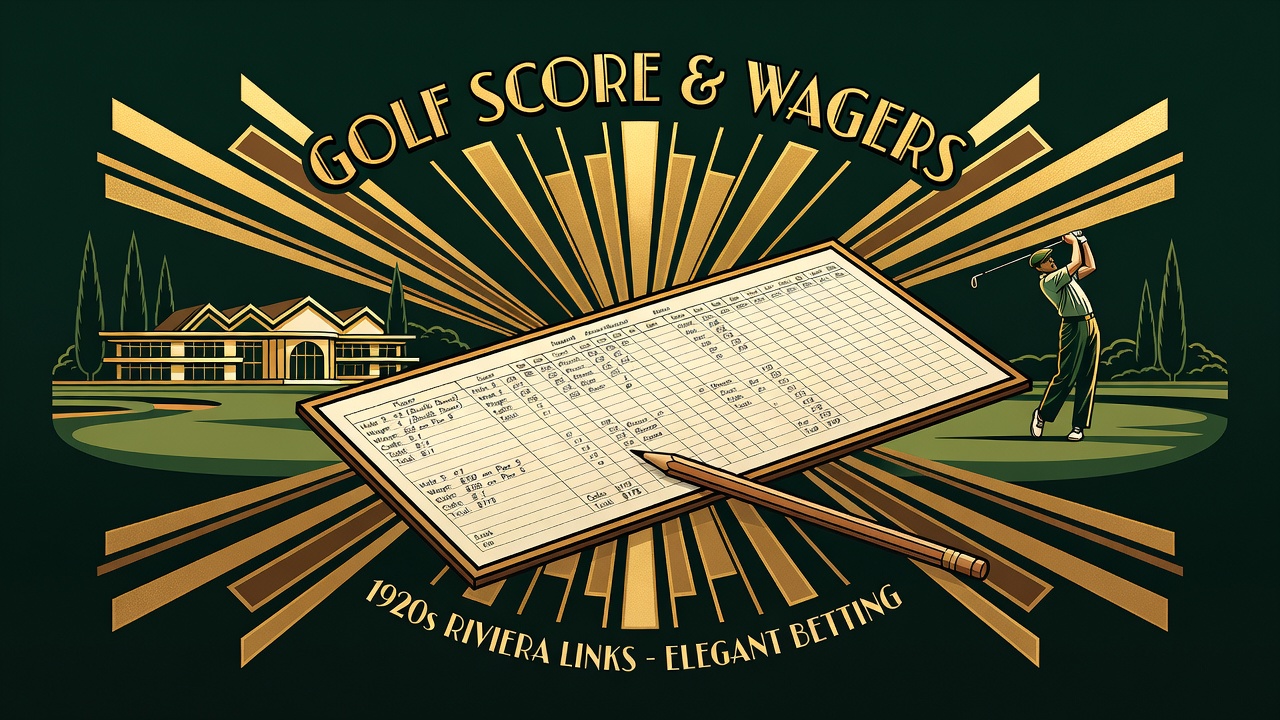
A golfer stands on the first tee of the U.S. Open. He has prepared for months. The field is 156 of the best players on earth. You have to choose which one wins. This is more art than math.
Bonus buy lets you skip the waiting. You pay extra to trigger a bonus feature immediately. The math is interesting because it reveals how underpriced the base game is.
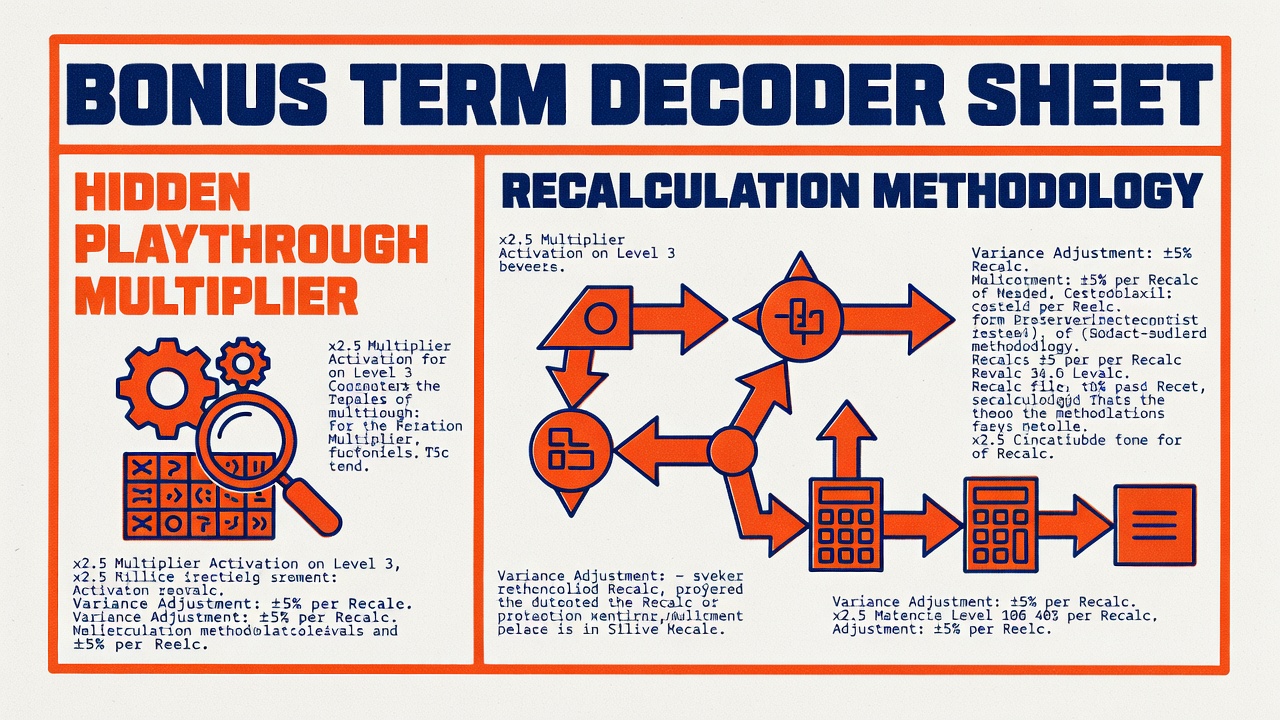
A casino bonus claims "no playthrough required." That actually means nothing until you read the hidden terms. Here's how to decode marketing-speak into reality.
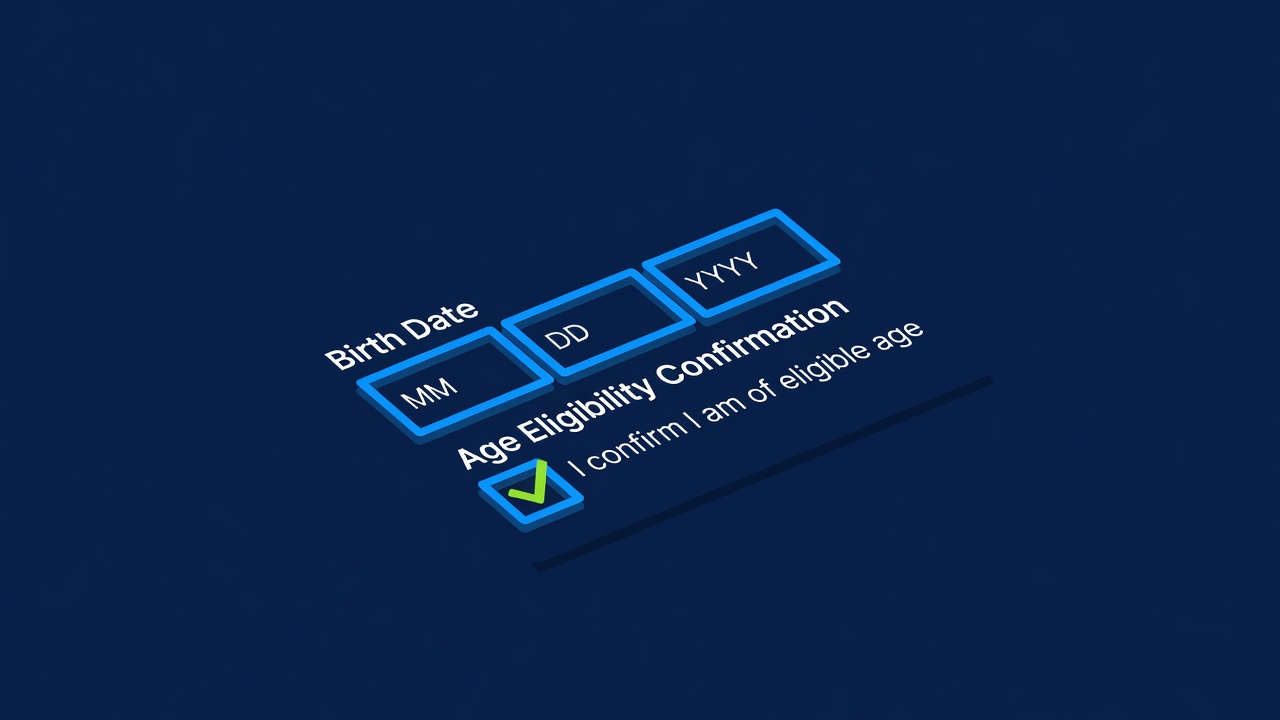
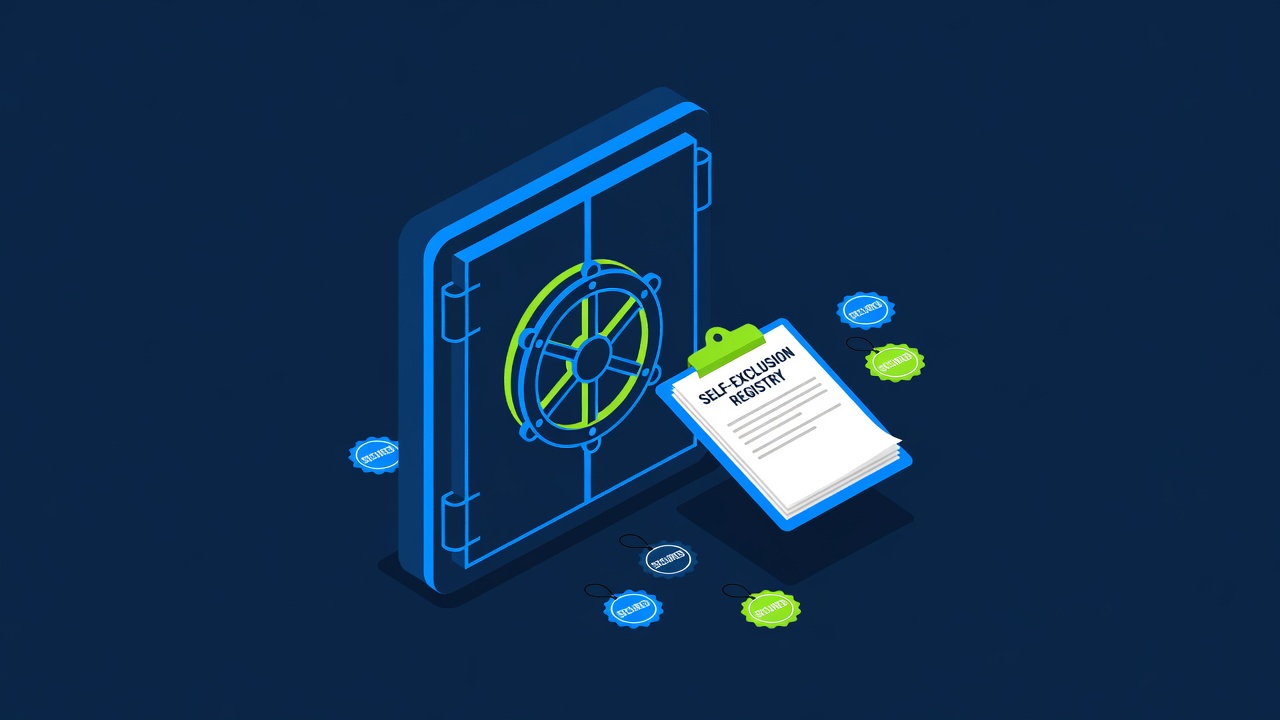
Age verification is required by law in most jurisdictions. Here's how operators actually implement it, what data they check, and where the system has gaps.
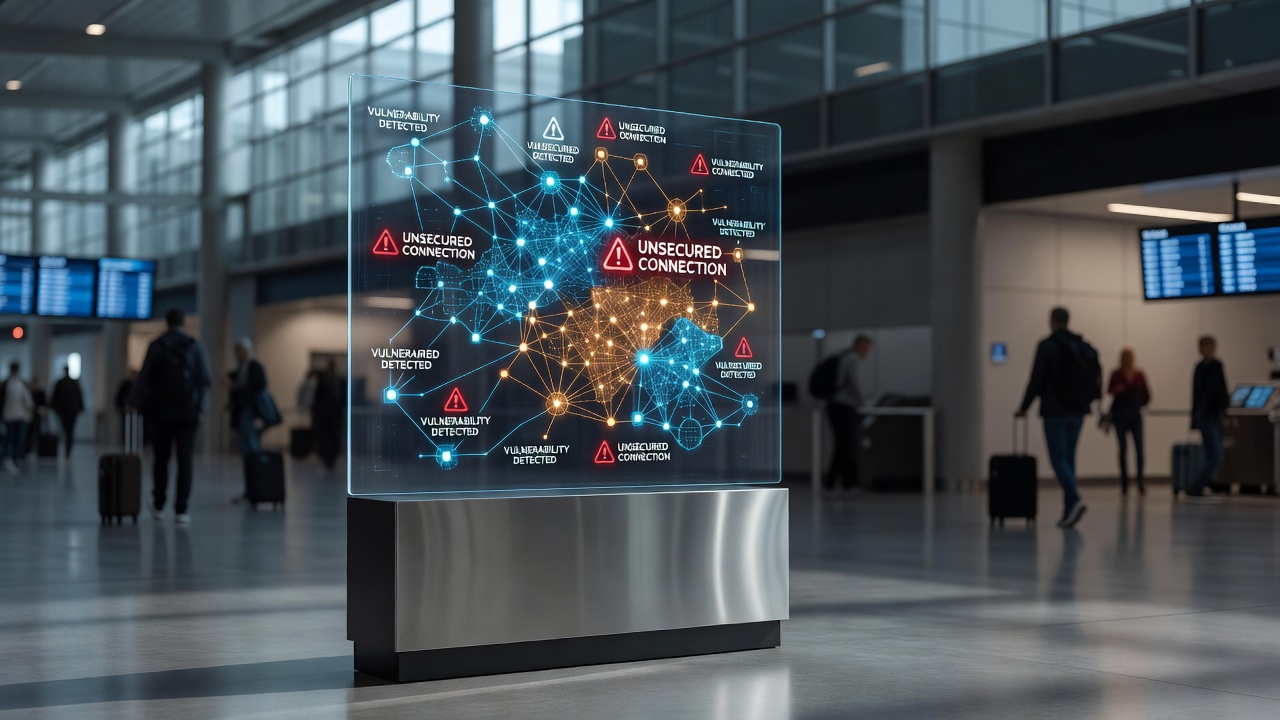
You're at the airport, you're on the casino app, your router is called "Free WiFi." This is how people lose their accounts and their money. Here's what actually happens.
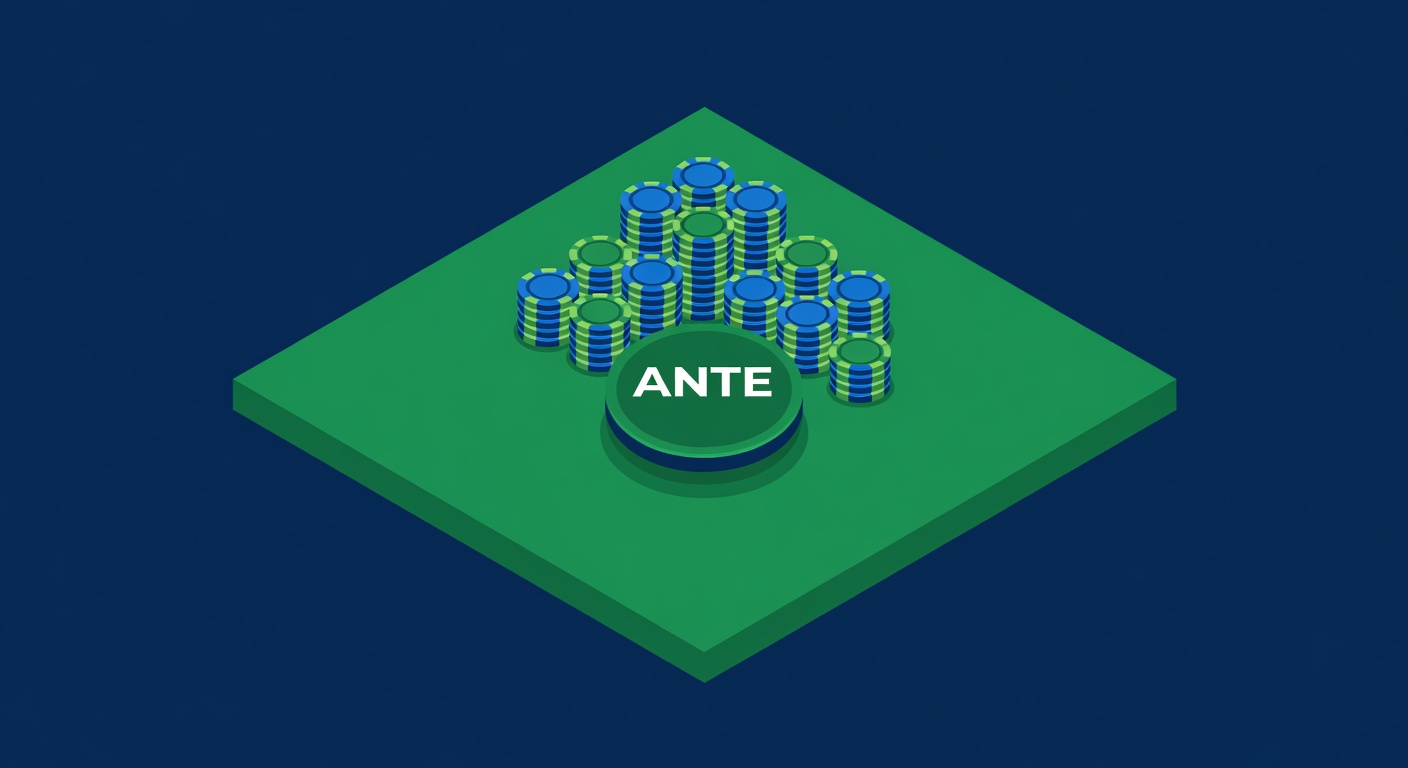
Ante-up poker differs from standard cash games in one critical detail: everyone pays a small fee into the pot at the start of each hand. We examined a dozen operational ante-up rooms to understand the mechanics, stakes structures, and why this format appeals to both professionals and casual players.
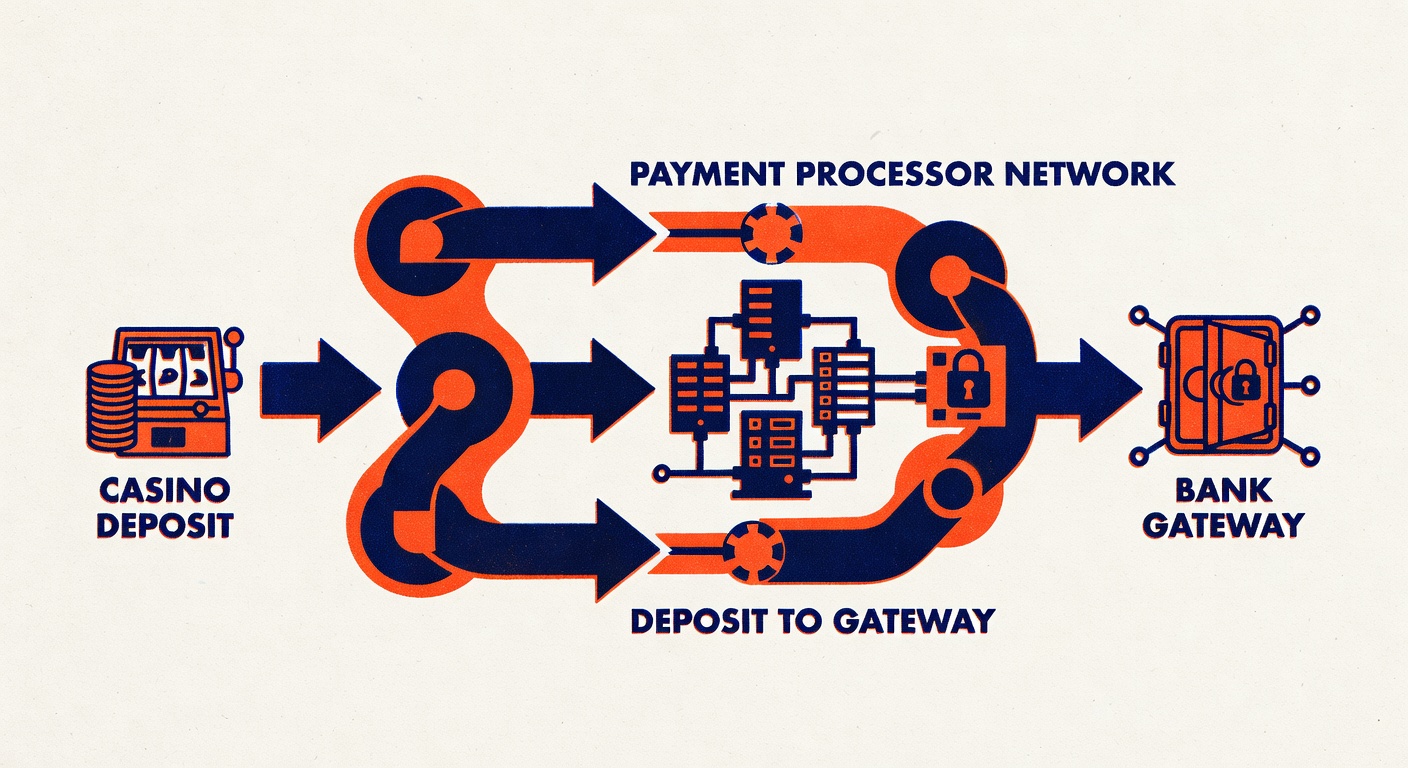
A payment processor is the intermediary between your bank and the casino. They handle authorization, settlement, and fraud prevention. Knowing who processes your casino payments tells you something about the casino's legitimacy and your fund safety.
I buy a lottery ticket once a week. I win nothing. I buy the next ticket anyway. Someone has to make sure the lottery is fair. Otherwise, I might as well flush my two dollars down the toilet.
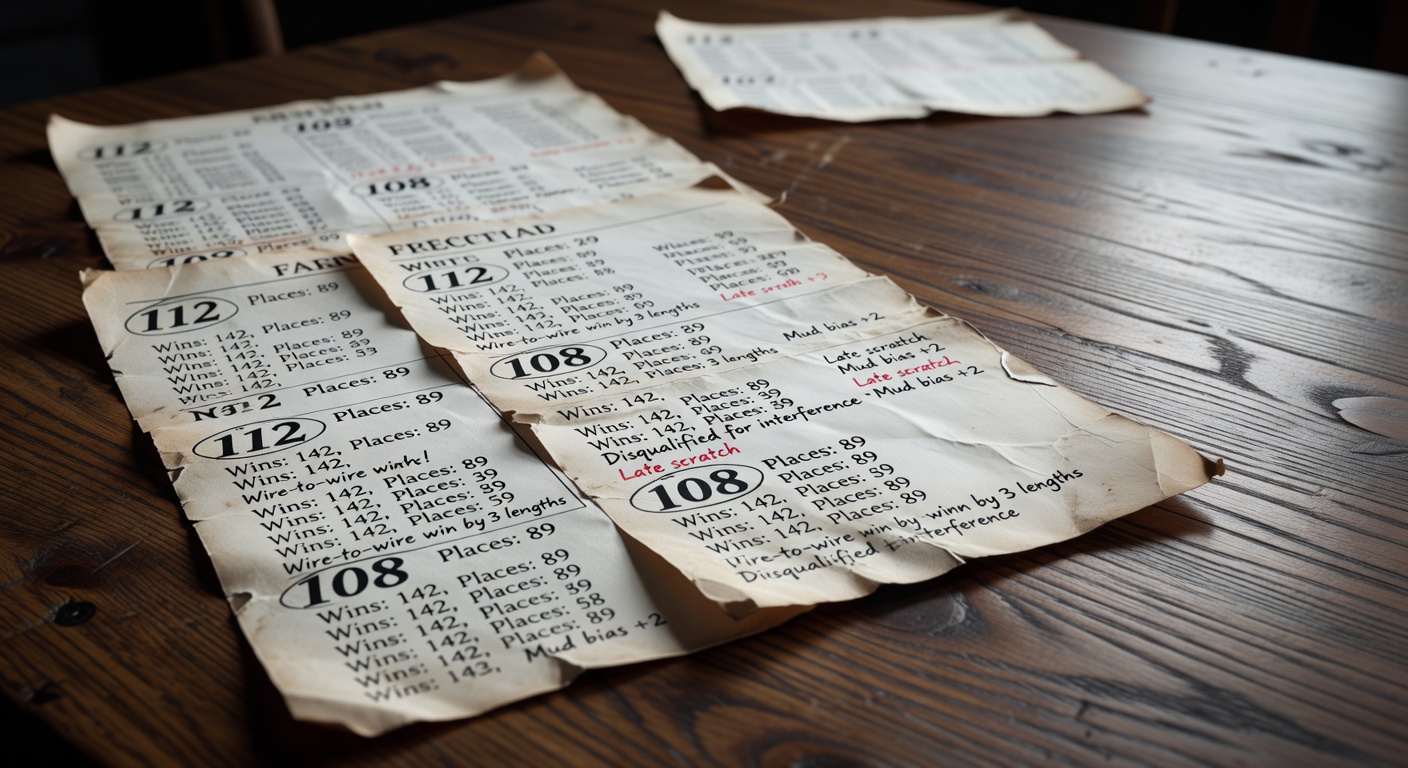
An ethnographer of the racing underworld walks you through the dialect of the form. Speed figures, track bias, jockey stats-all the unspoken vocabulary of people who've spent 20 years in a betting room.
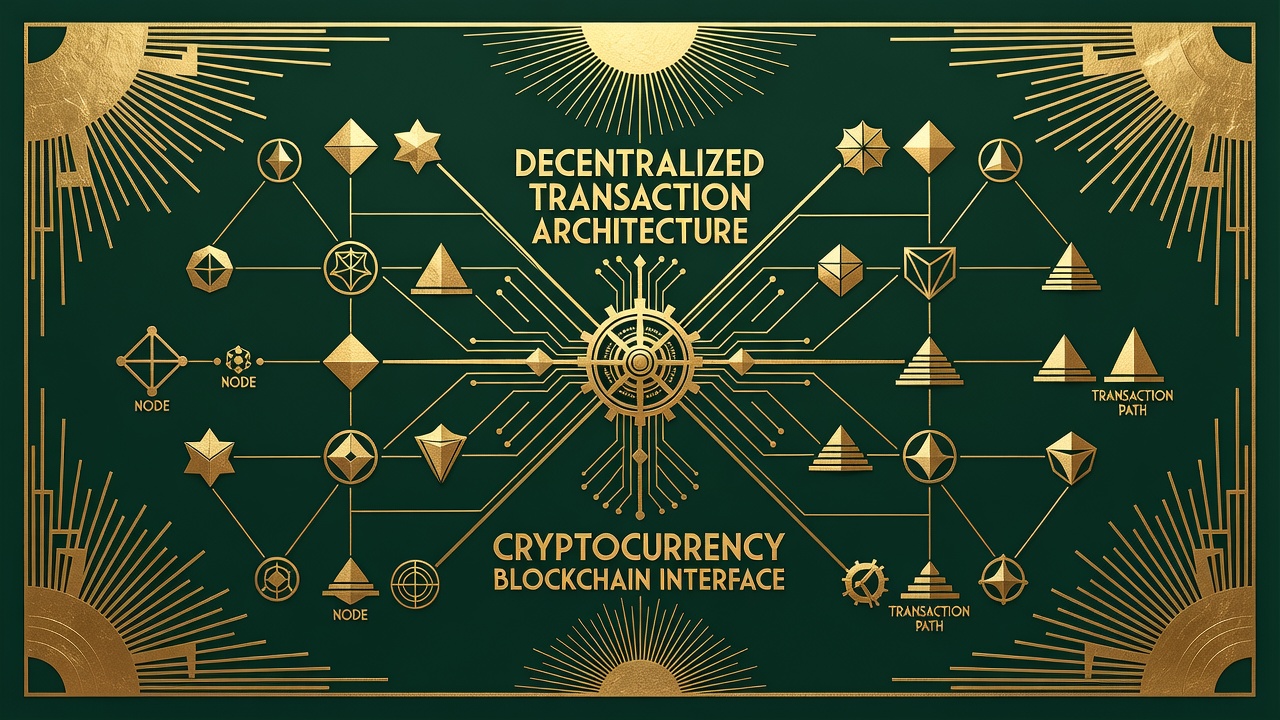
A crypto native with on-chain thinking applies smart-contract logic to football odds. The blockchain teaches you to check the data before you trust the smart contract.
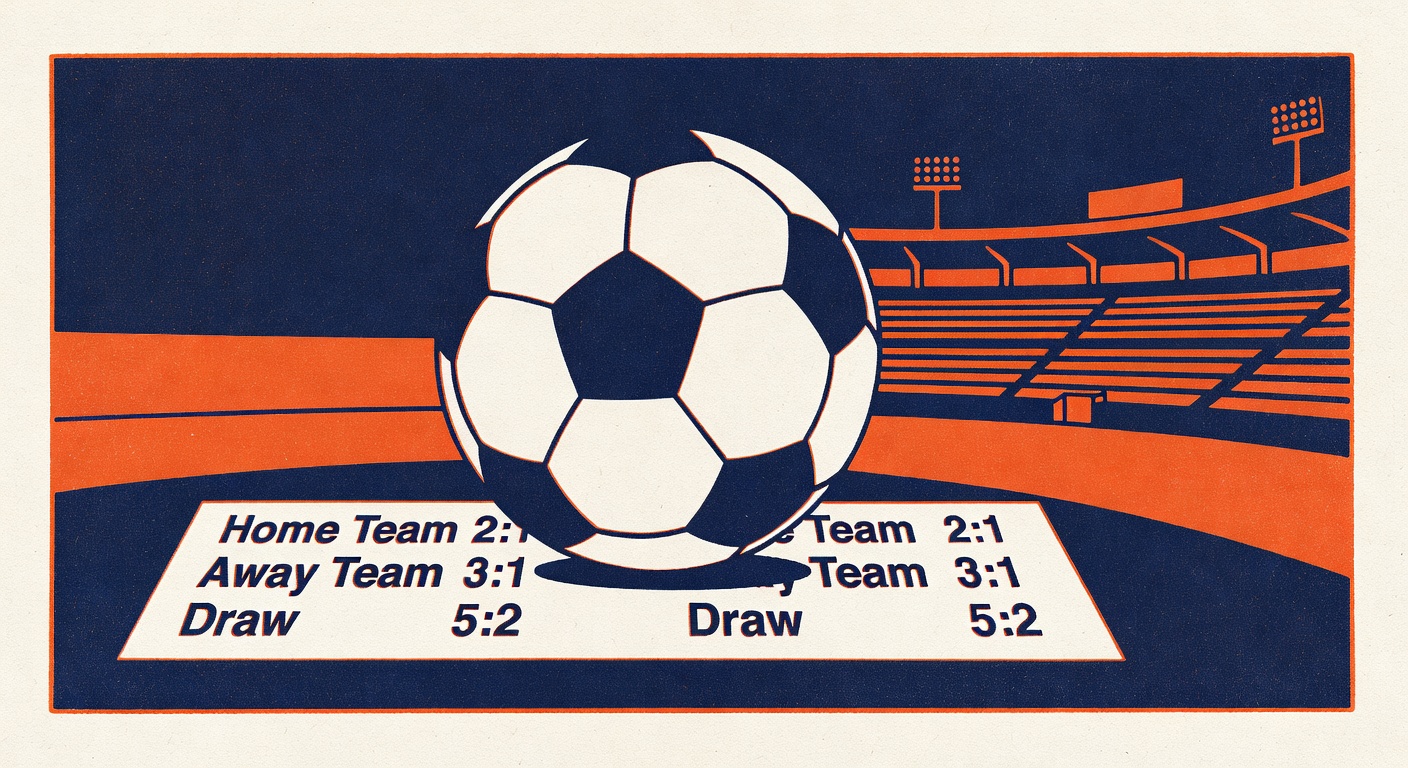
Hot take: the edge in Champions League markets isn't in the stats. It's in the gap between how casual bettors in one country model English teams versus how they model the Spanish ones. If you think like an on-chain arbitrageur, you'll see it.
Bonuses exist. They're real money sitting on a platform, offered by an operator who hopes you'll use it. But the terms attached to that money are designed to be unclear. Not necessarily dishonest,...
To what end does the bettor accept a constraint? One might ask. Here, we examine the wagering requirement as a philosophical object: a bargain made between two parties with fundamentally misaligned knowledge and desire.