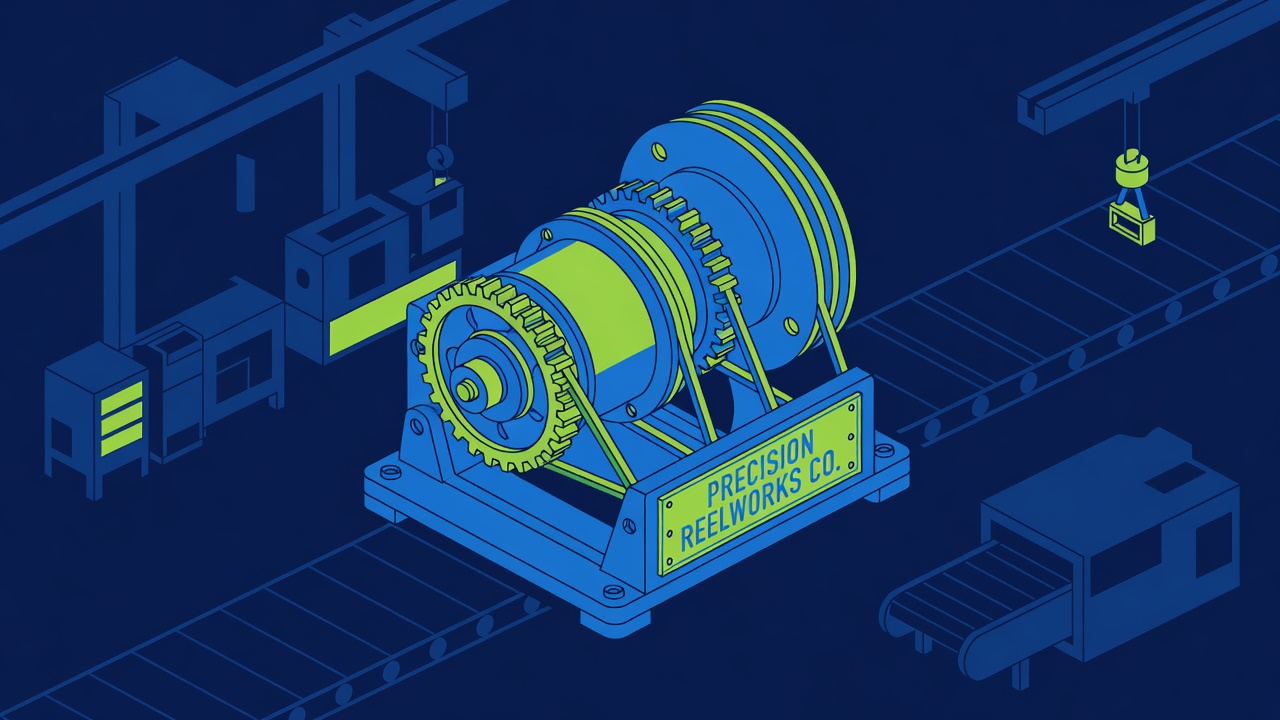
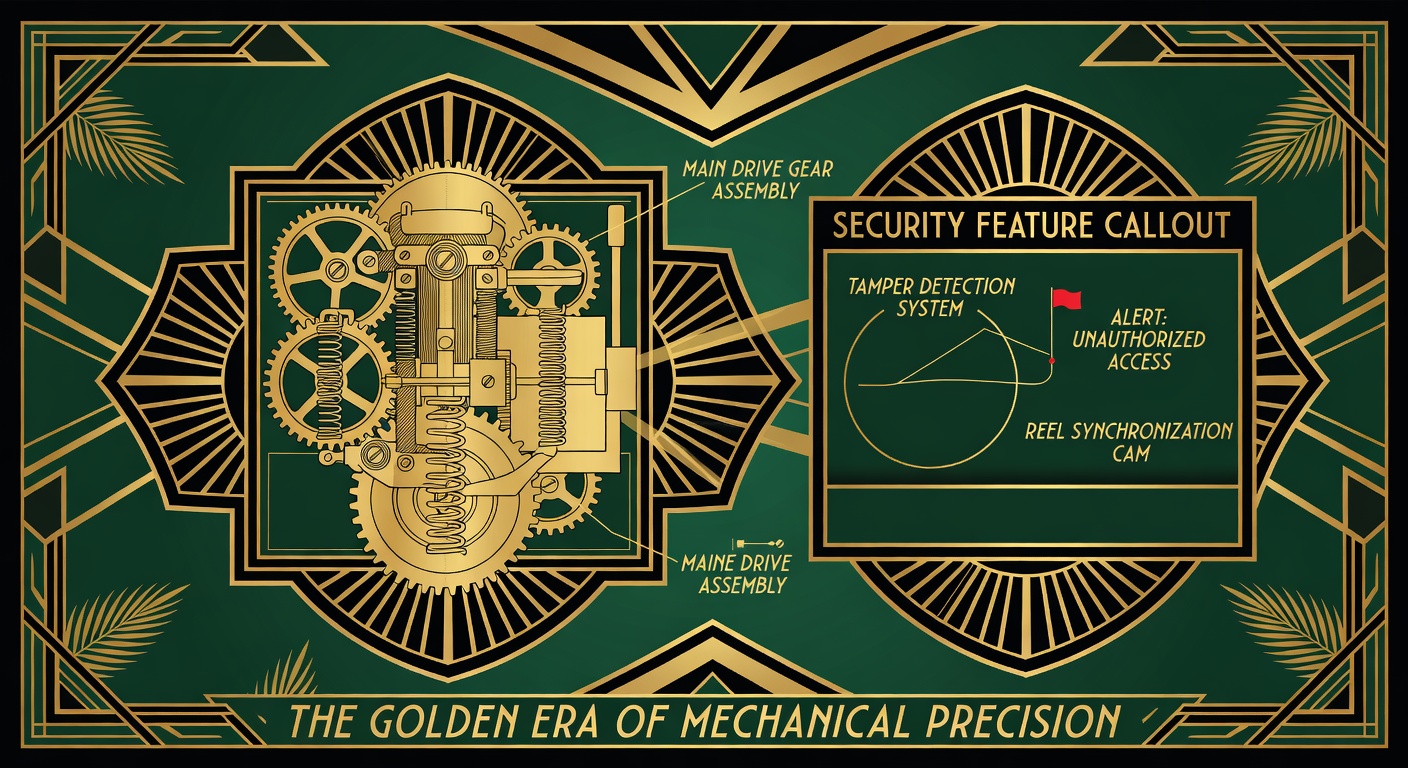
The slot machine did not start with video screens or variable paylines. It started as a mechanical box with three reels, and every innovation since has been a reaction to what players wanted next.
The 2014 Big One for One Drop at the WSOP happened on June 8 in Las Vegas. The final table seated six players, each representing a different approach to high-stakes poker.
The Tran organization stole millions from casinos using chip cloning, magnetic wheel manipulation, and dealer collusion across Nevada and California from 1991 to 1998.
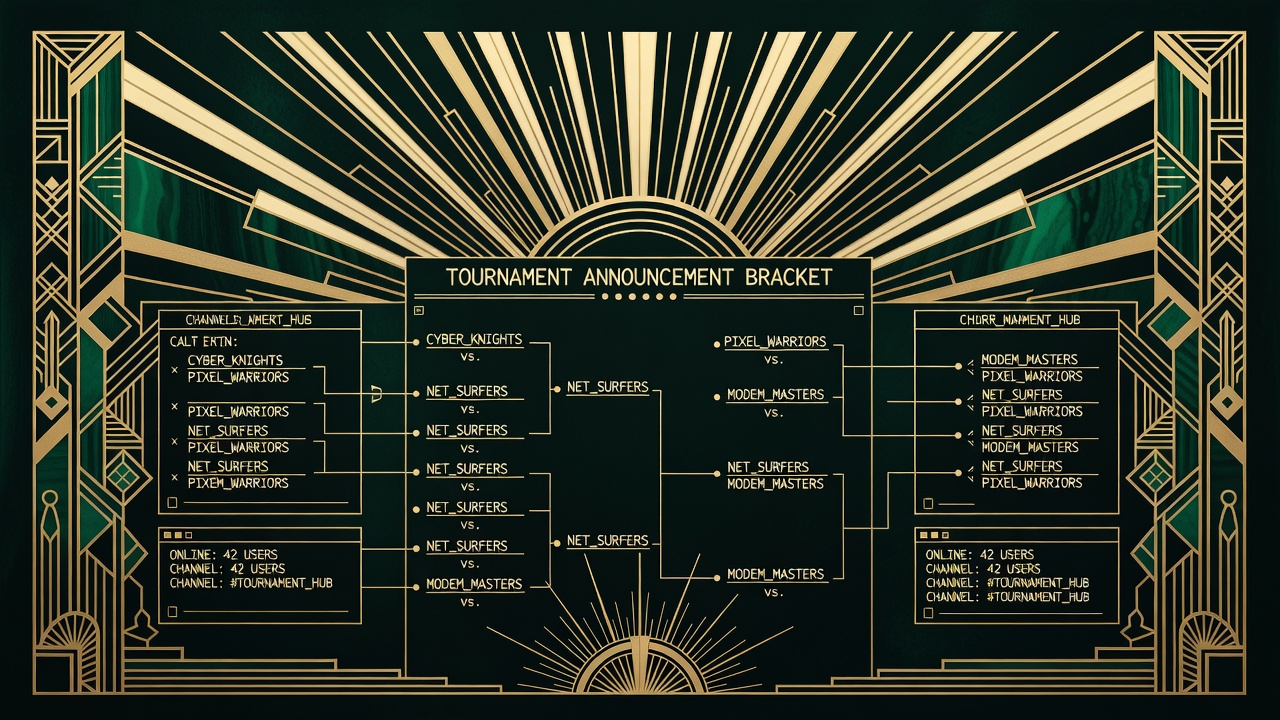
Online poker began on IRC in 1992. The Internet Relay Chat was a text-based communication system. No graphics. No interface. Players typed stakes and cards into a channel.
The slot machine industry was built by men who understood one thing: a machine that keeps people in action is more valuable than any individual outcome.
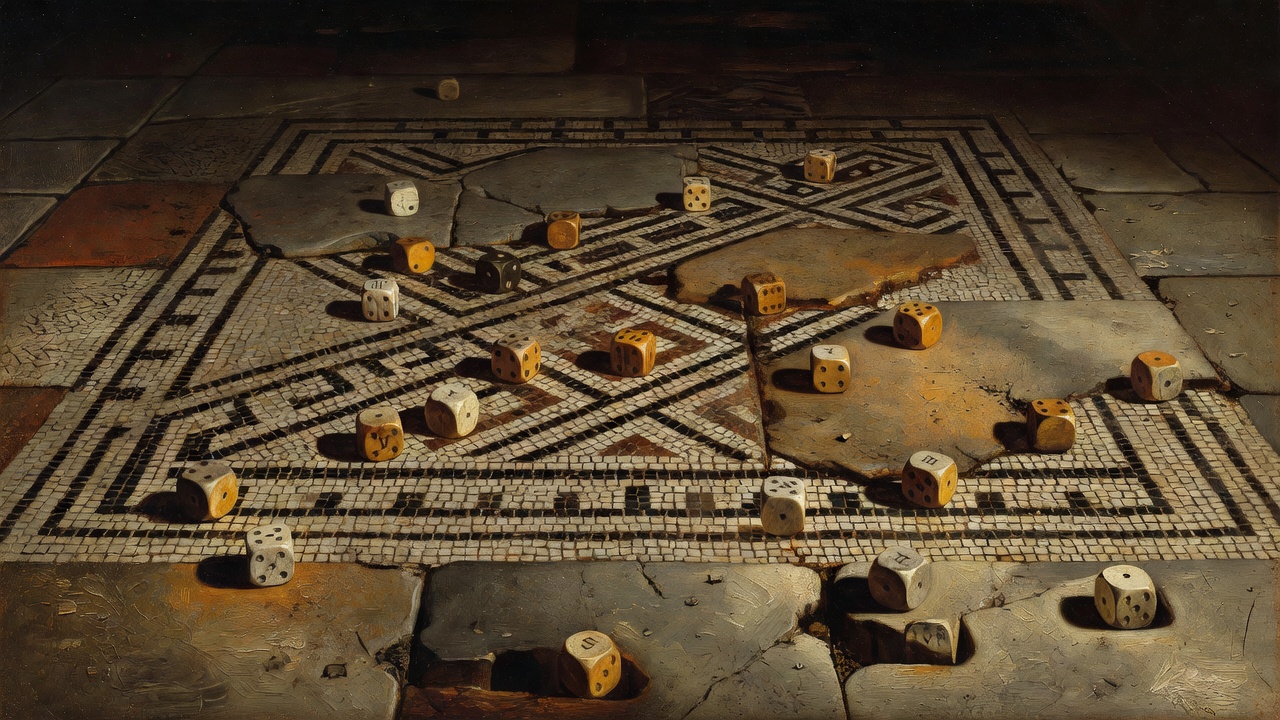
Ancient Romans gambled obsessively. What does their history reveal about loss aversion, social status, and why societies keep trying (and failing) to ban gambling?
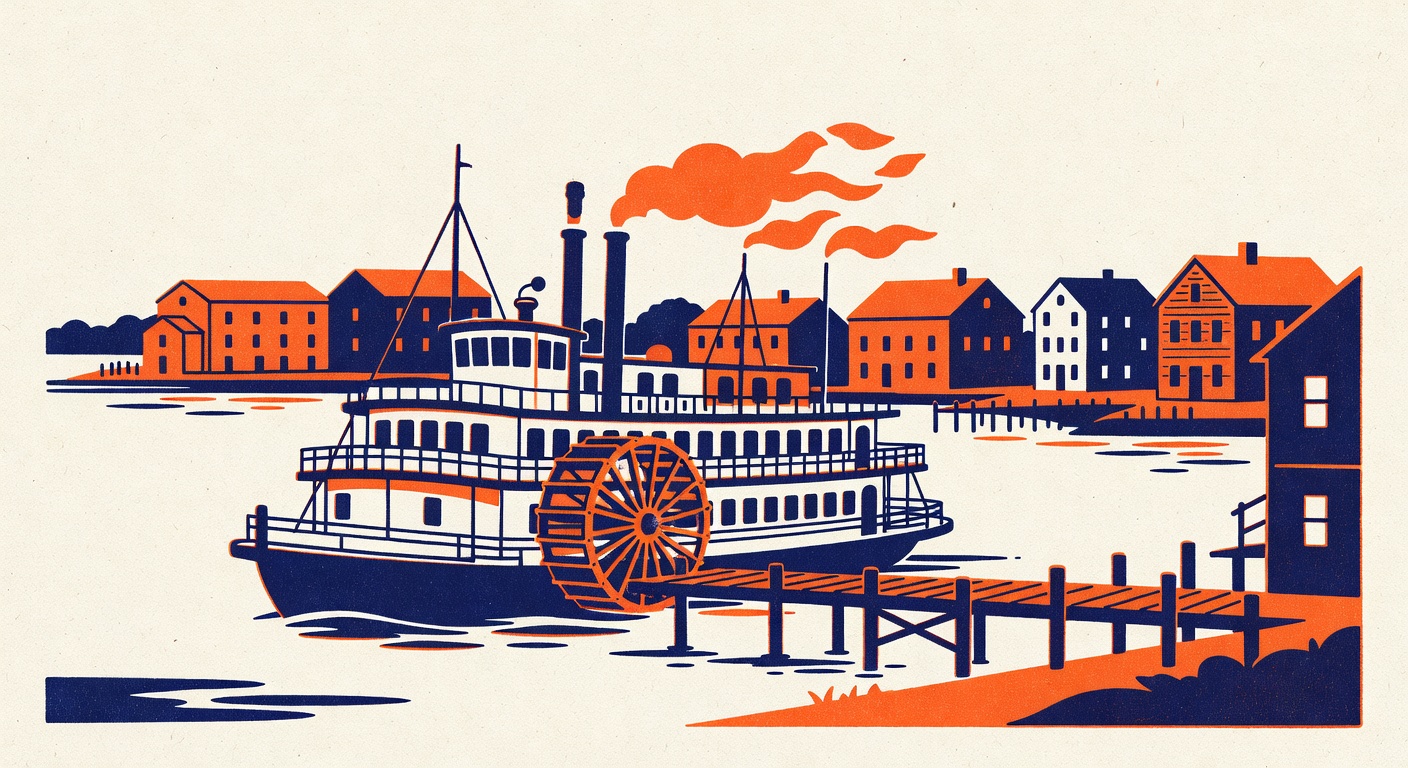
Poker began on riverboats. A card game played by riverboat workers and soldiers during the American Civil War. The history teaches you something about what gambling has always been about.
The shift from retail to mobile sportsbooks has created new design problems and solved old ones. Understanding the architecture helps you understand the product.
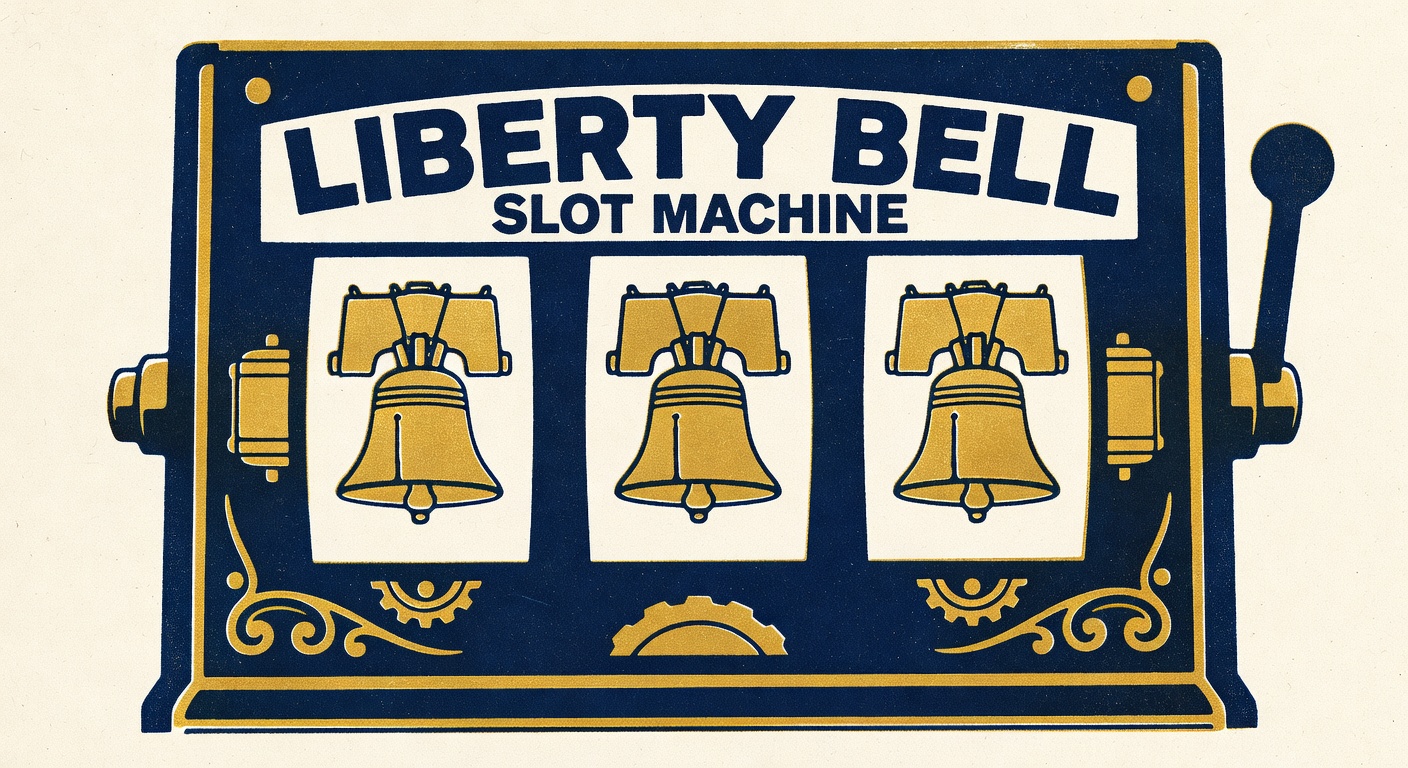
In 1894, Charles Fey, a mechanic in San Francisco, built the first slot machine with automatic payouts. The Liberty Bell, named for its three-bell jackpot. He had invented an entire industry without knowing it would become what it is today.
I spent thirty years in casino surveillance. Evolution is dominant now because they solved a problem that other software companies ignored: trust at scale.
In the 1990s, a man named Dennis Nikrasch stole millions from slot machines by understanding their economics better than the casinos did. His story reveals how psychology and mechanics intersect.