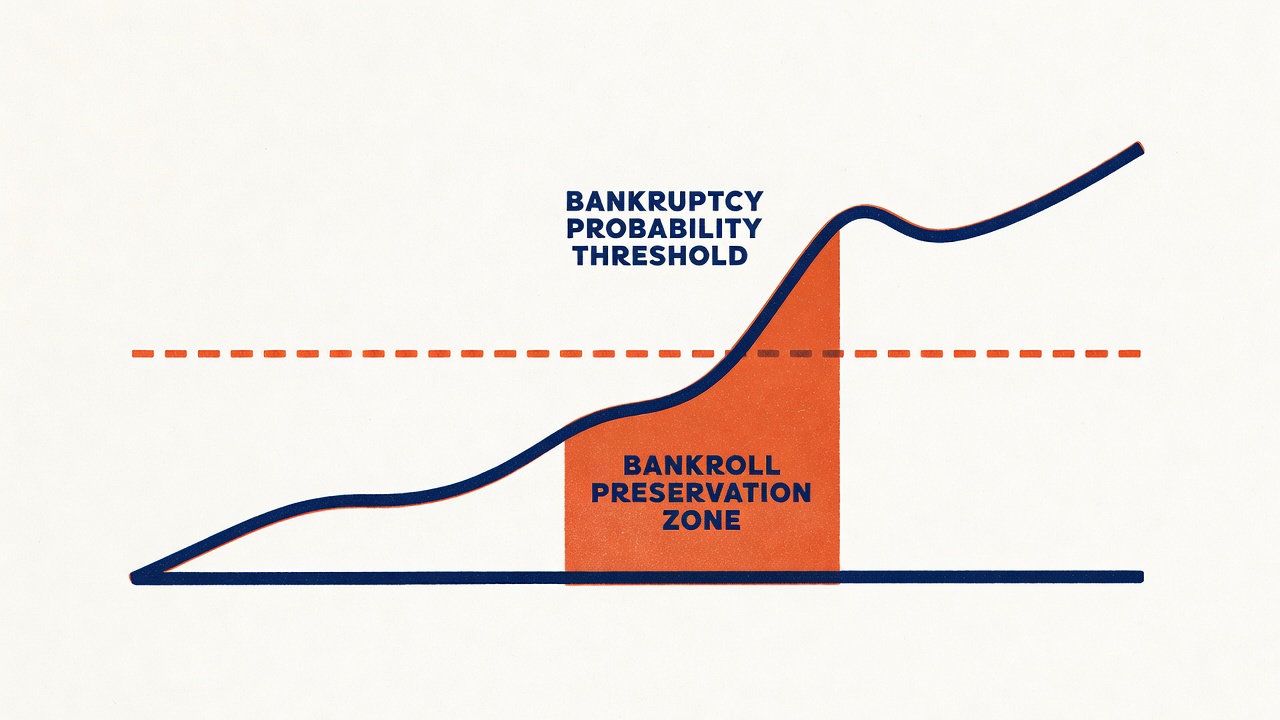
Risk of ruin is a mathematical concept that describes the probability of losing your entire bankroll. For table game players, understanding this concept determines whether you can actually afford to play.
I once knew a guy who memorized blackjack paytables and thought he had it figured out. He didn't. Here is what actually matters when you are looking at the numbers.
Early surrender and late surrender sound similar but encode wildly different player advantages. One is a real strategic choice. The other barely moves the needle.
You want to know about card counting? Start with a man named MIT, except that's not a man. In the mid-1960s, a group of mathematics students from that…
Picture a Wednesday night at the slots. The machine next to you suddenly goes wild with bells and lights while your three-cherries win sits silent. The difference might be whether that player is in a tournament or playing solo.
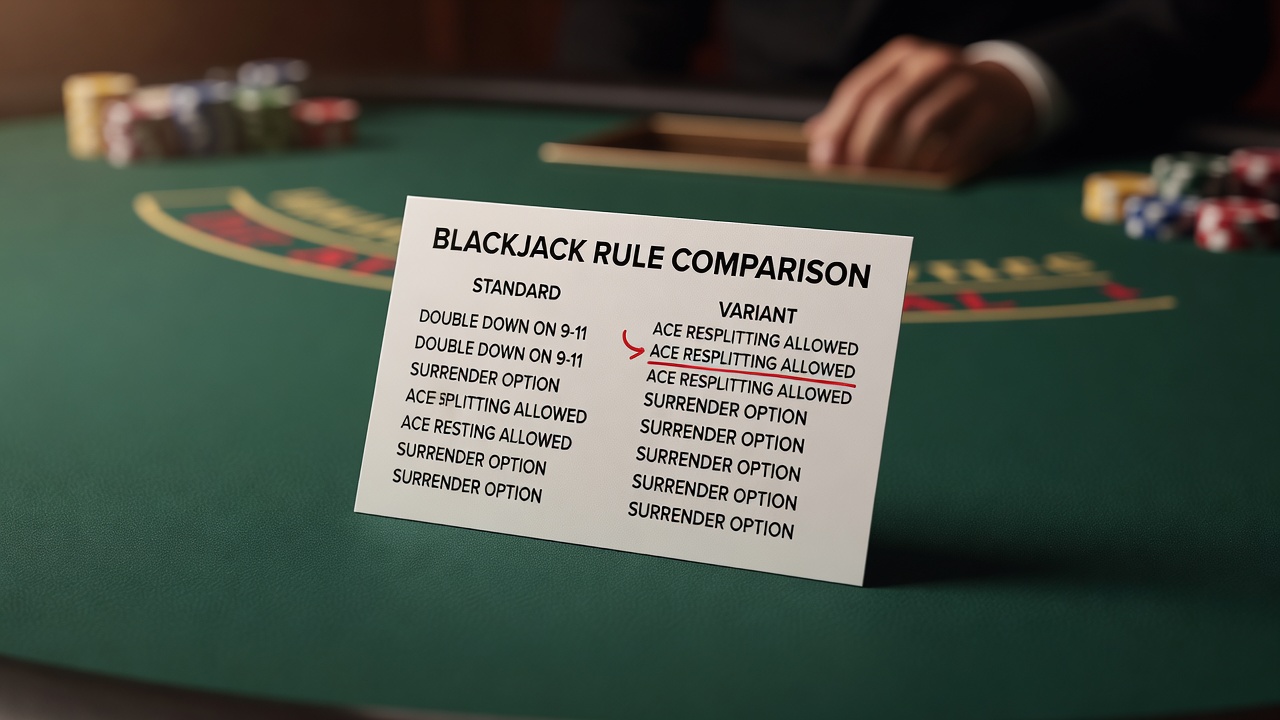
A table that allows resplitting aces (splitting them again after receiving another ace) is mathematically better for the player. Most casinos forbid it.
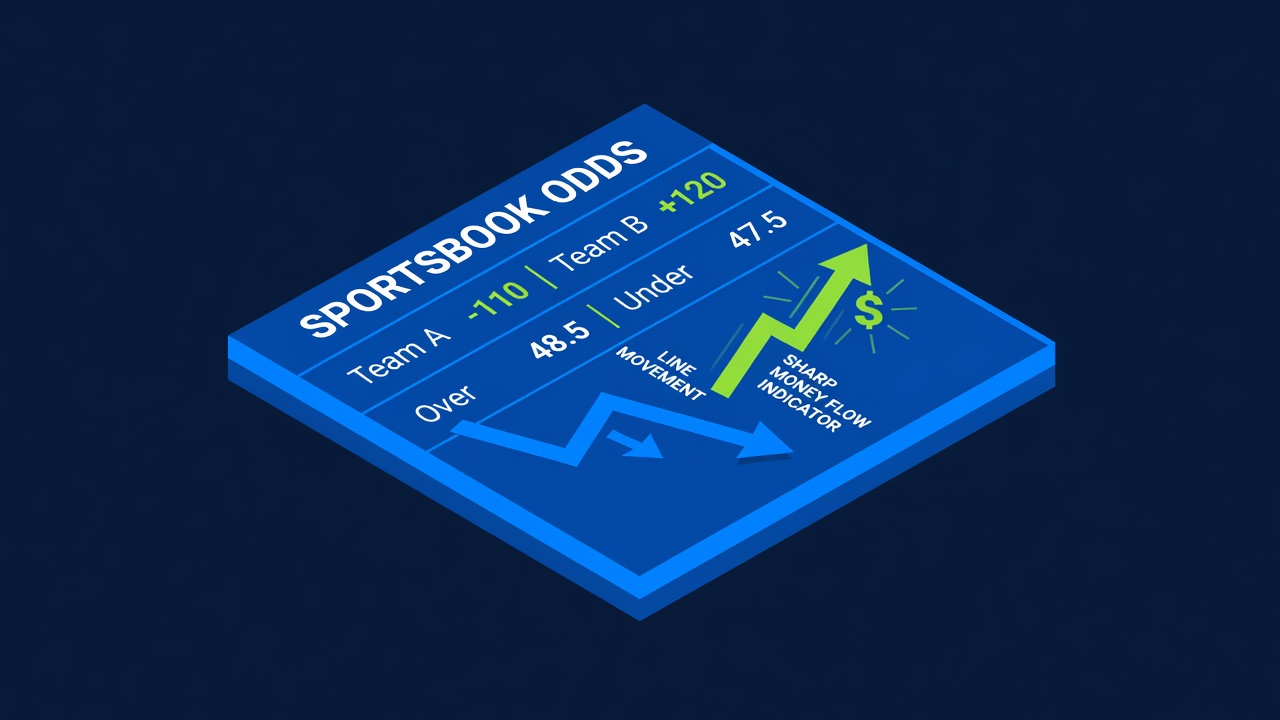
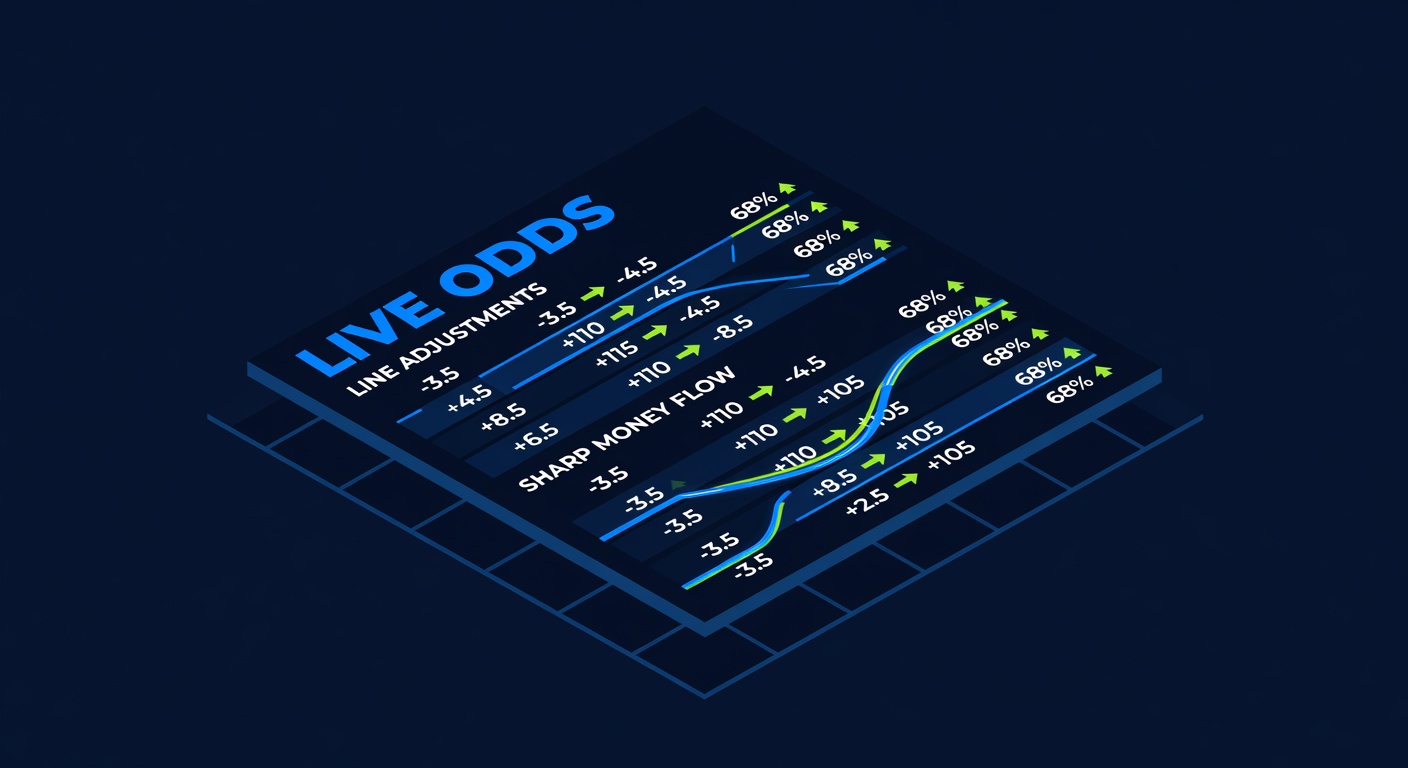
Point spread betting in the NBA works through sharp perception of market inefficiencies. Most bettors are not looking for efficiency. They are looking for validation.
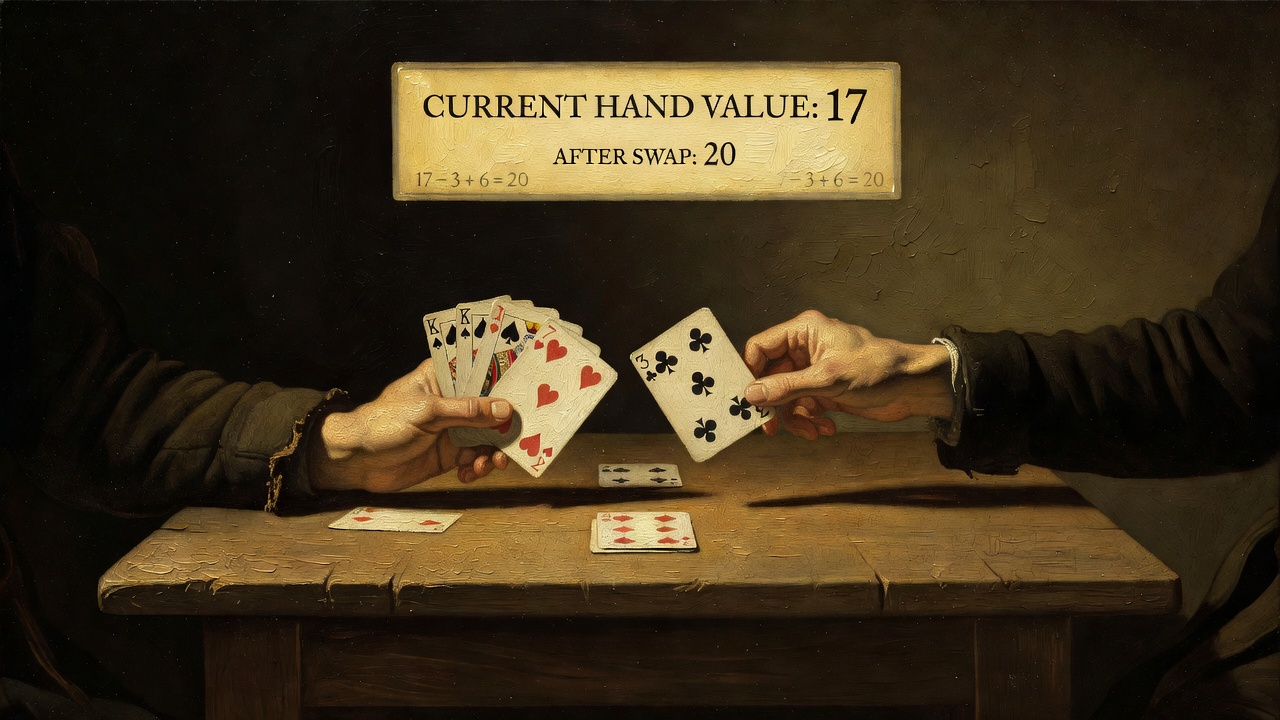
blackjack switch has a simple rule: swap your cards between hands. the strategy is not simple. provably-fair, on-chain execution doesn't help if you're making bad decisions.
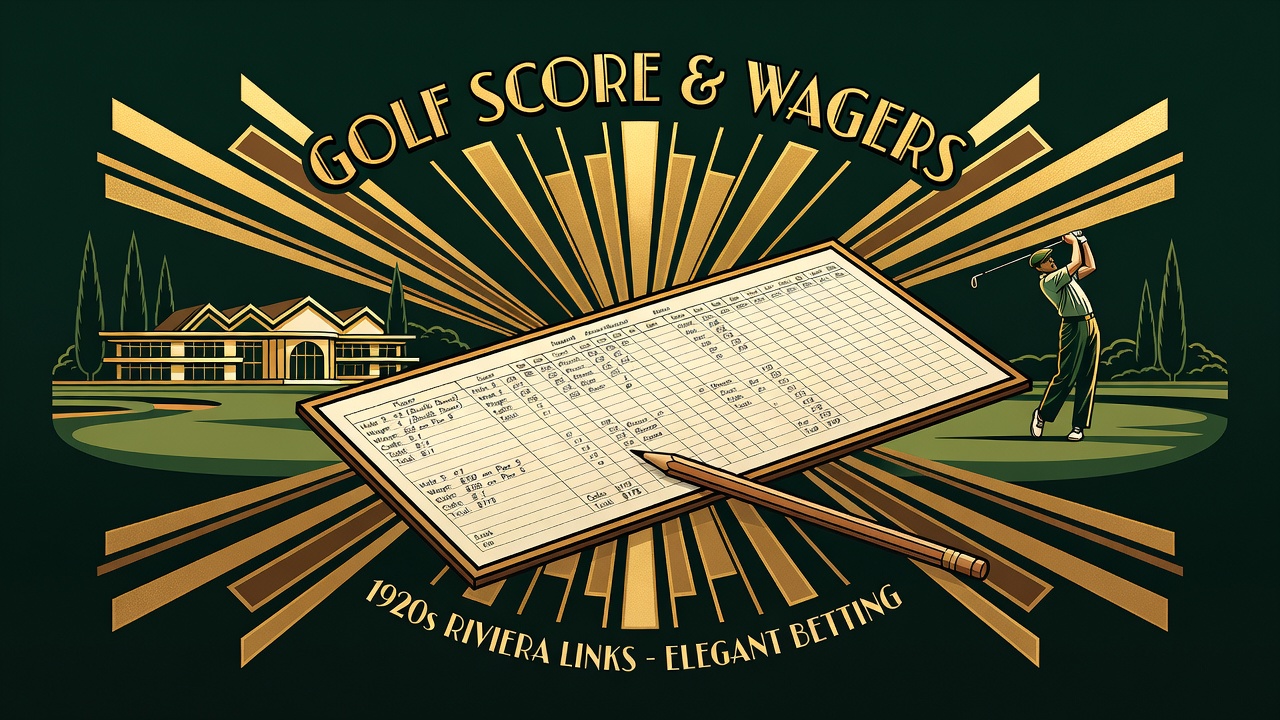
A golfer stands on the first tee of the U.S. Open. He has prepared for months. The field is 156 of the best players on earth. You have to choose which one wins. This is more art than math.
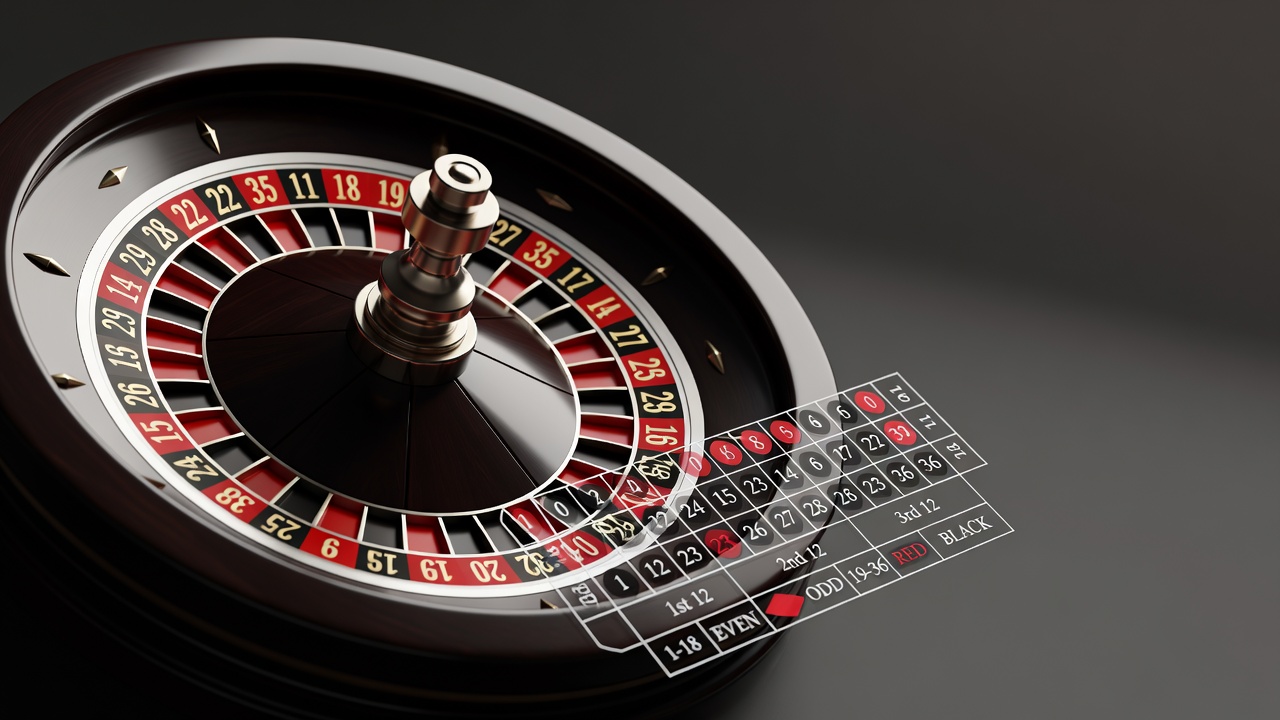
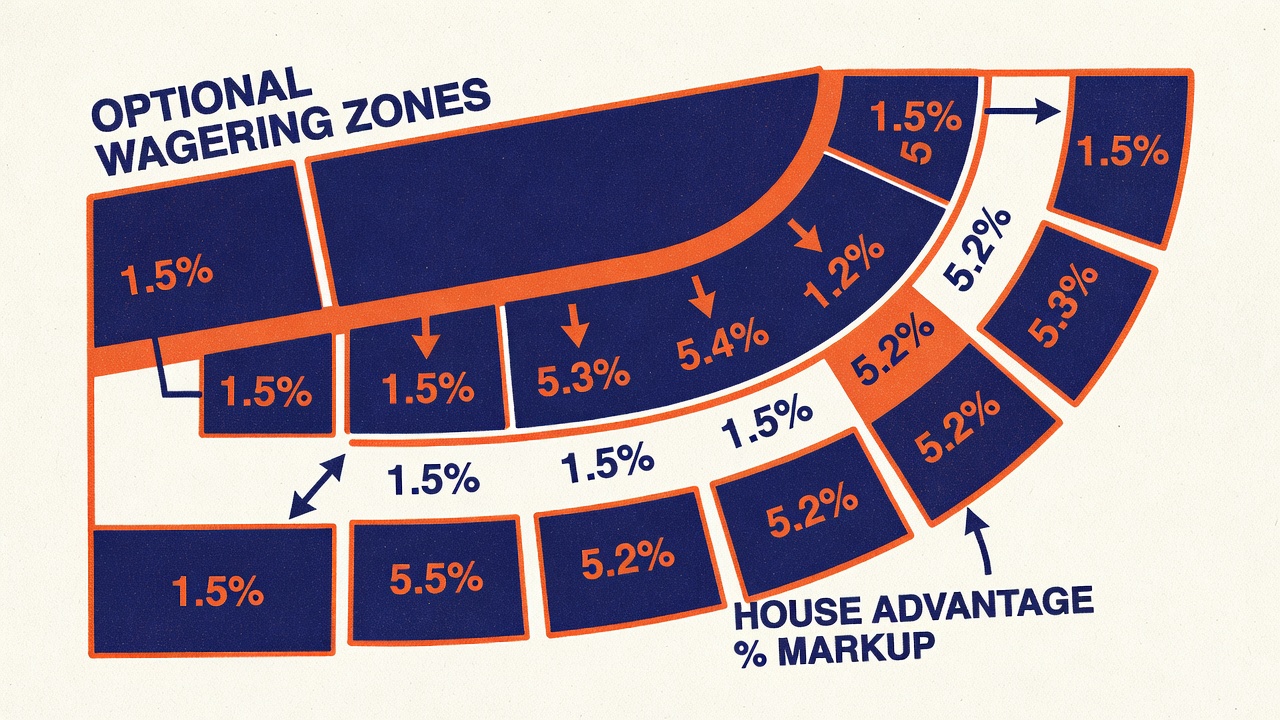
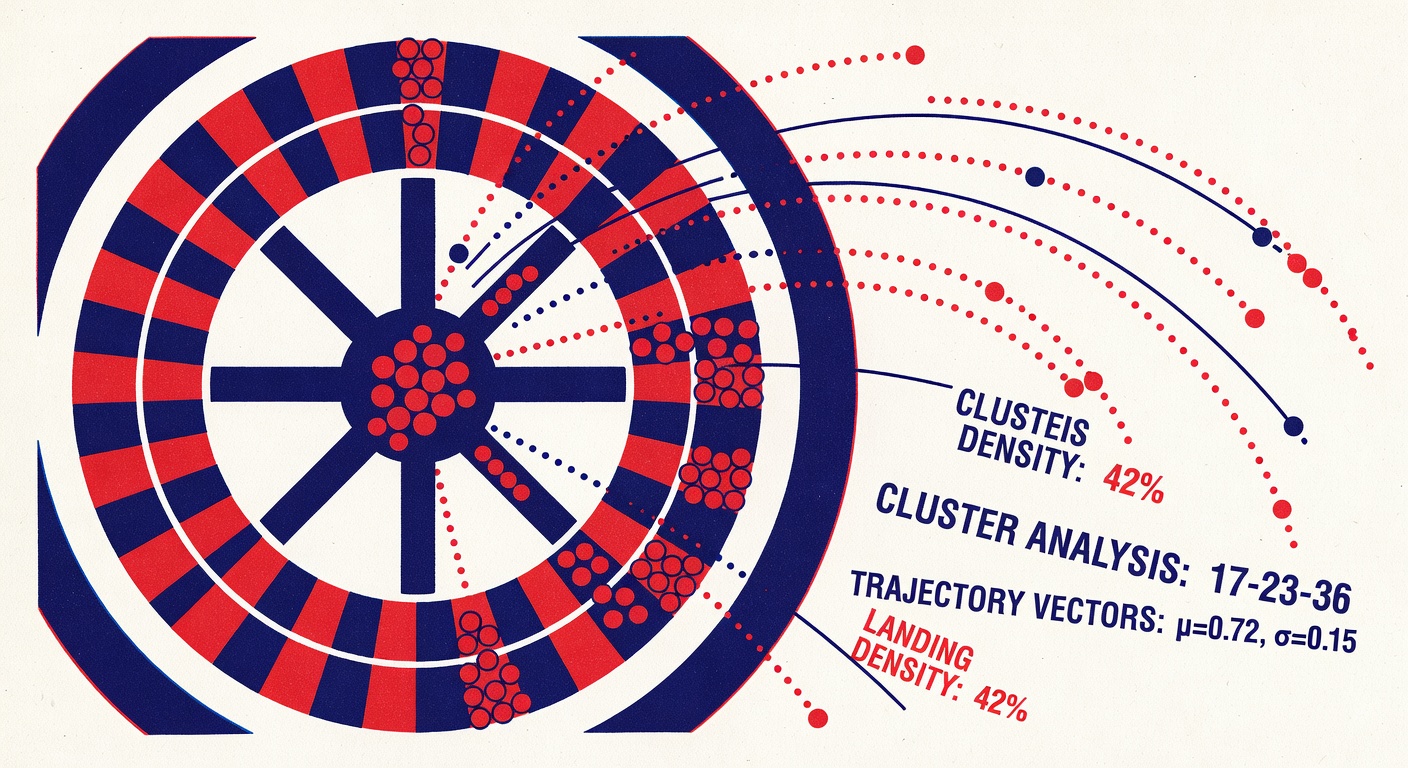
European roulette has 37 numbers. American roulette has 38 (with a double zero). This single difference changes the house edge from 2.7% to 5.26%. Here's why every number matters.
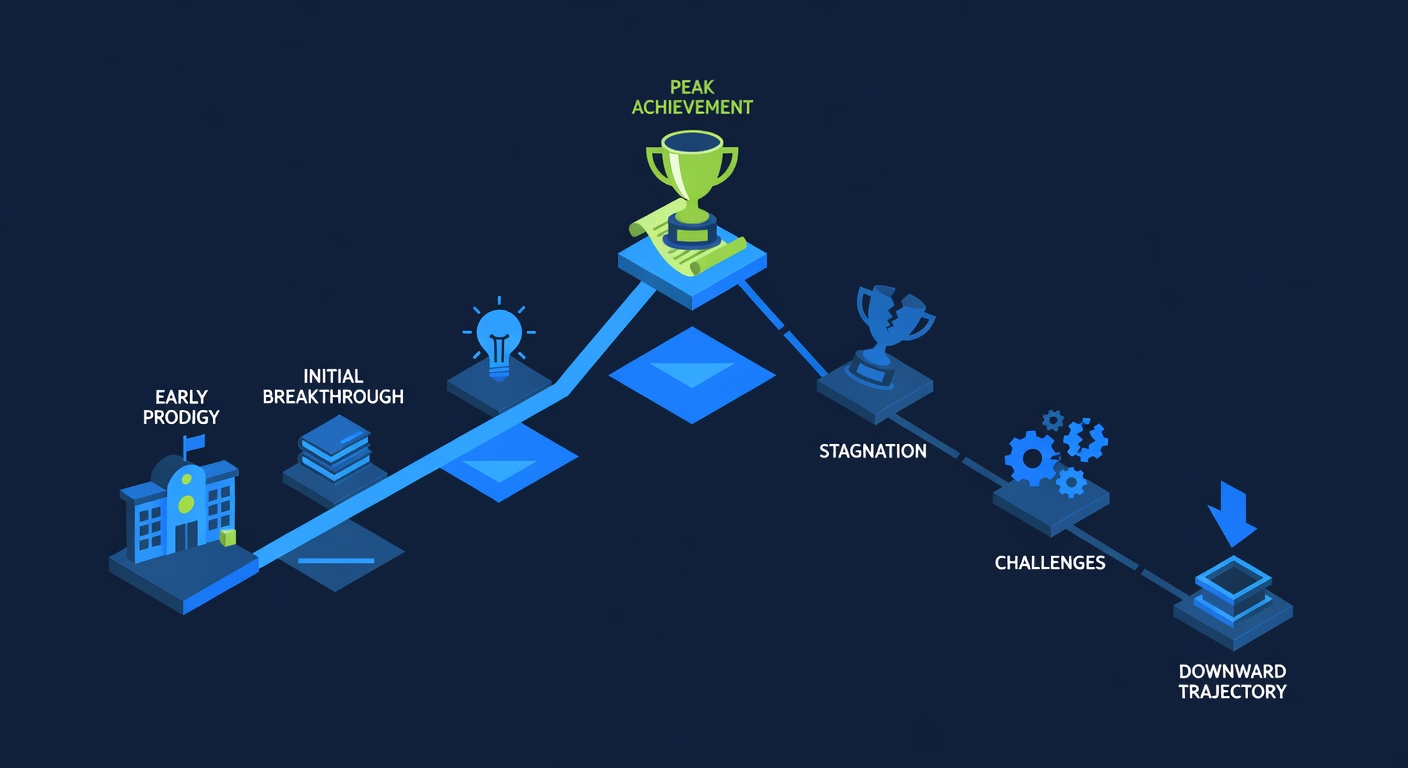
Patrik Antonius was a professional tennis player and model. He became one of the richest online poker players of the 2000s. His story is measured, disciplined, and entirely unforgiving.
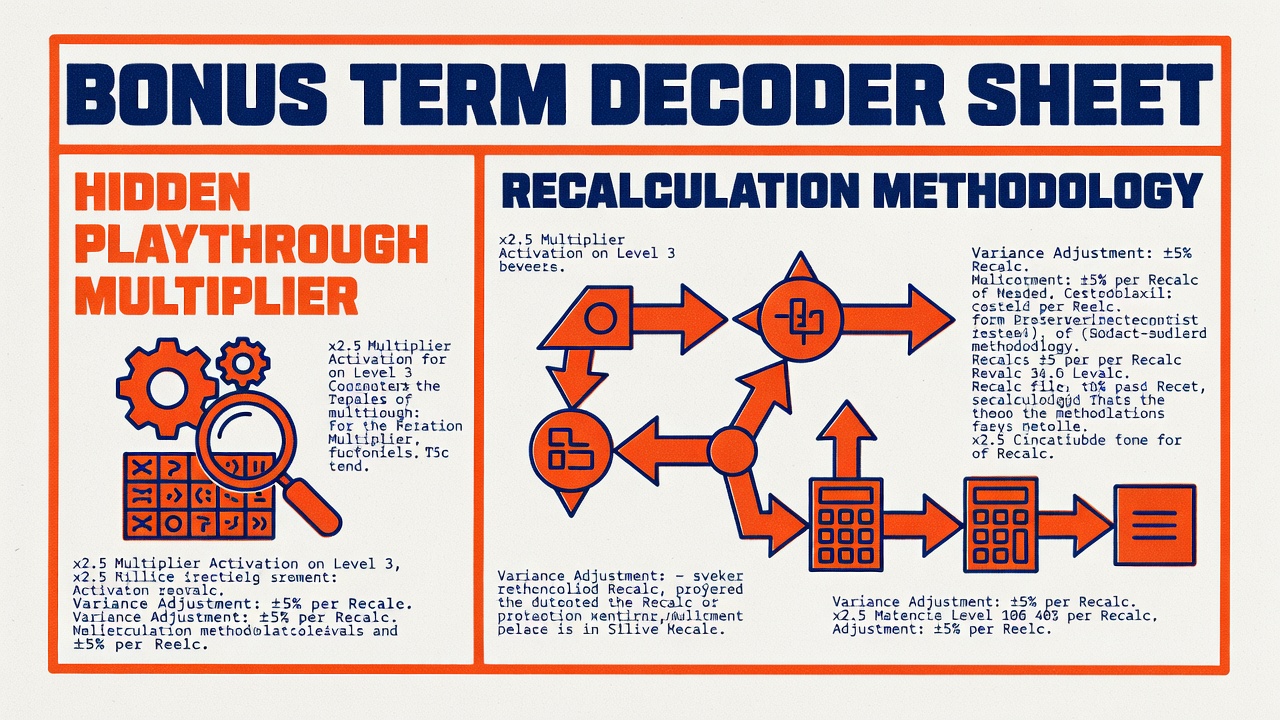
A casino bonus claims "no playthrough required." That actually means nothing until you read the hidden terms. Here's how to decode marketing-speak into reality.
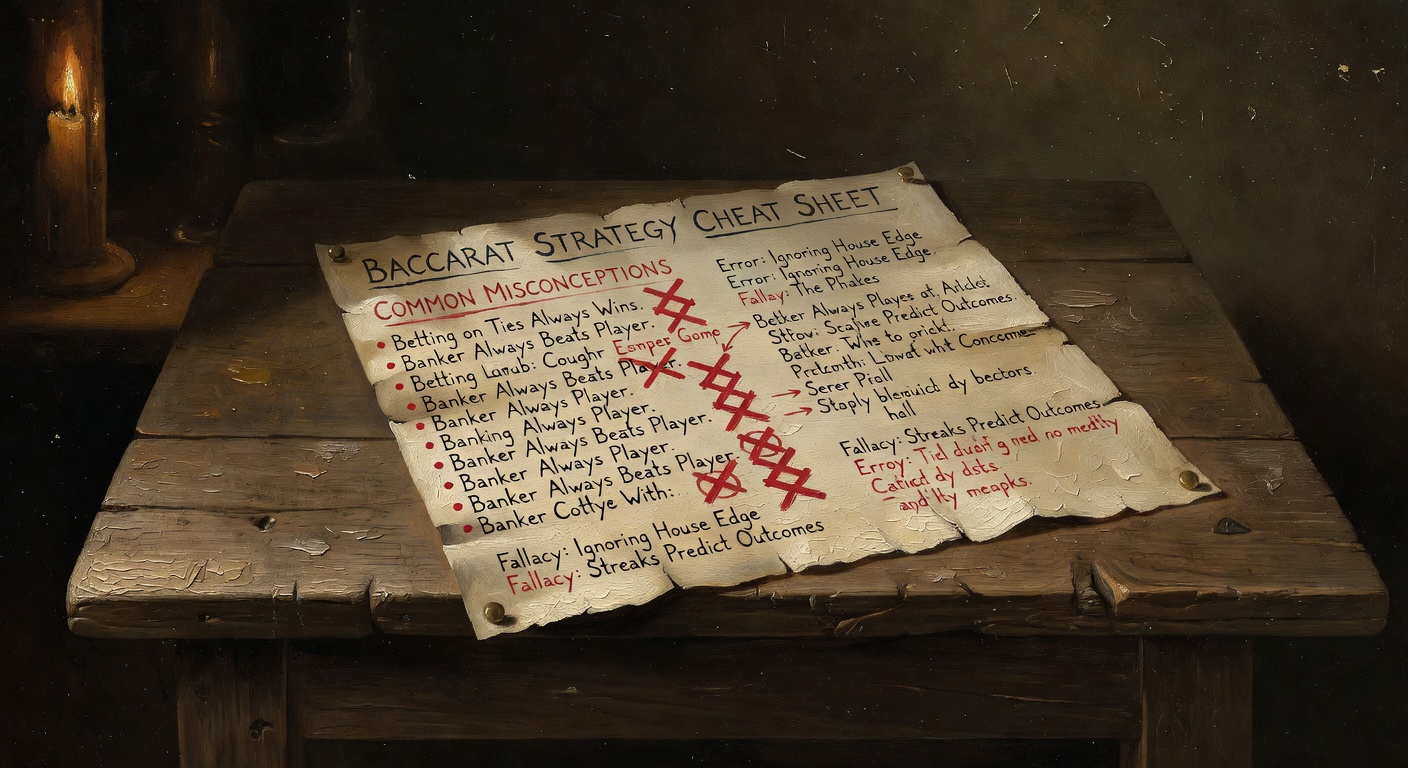
Major baccarat wins reveal patterns in how gamblers respond to sustained variance and rare outcomes. Understanding these cases through the lens of gambling psychology offers insight into both the appeal and the risks.
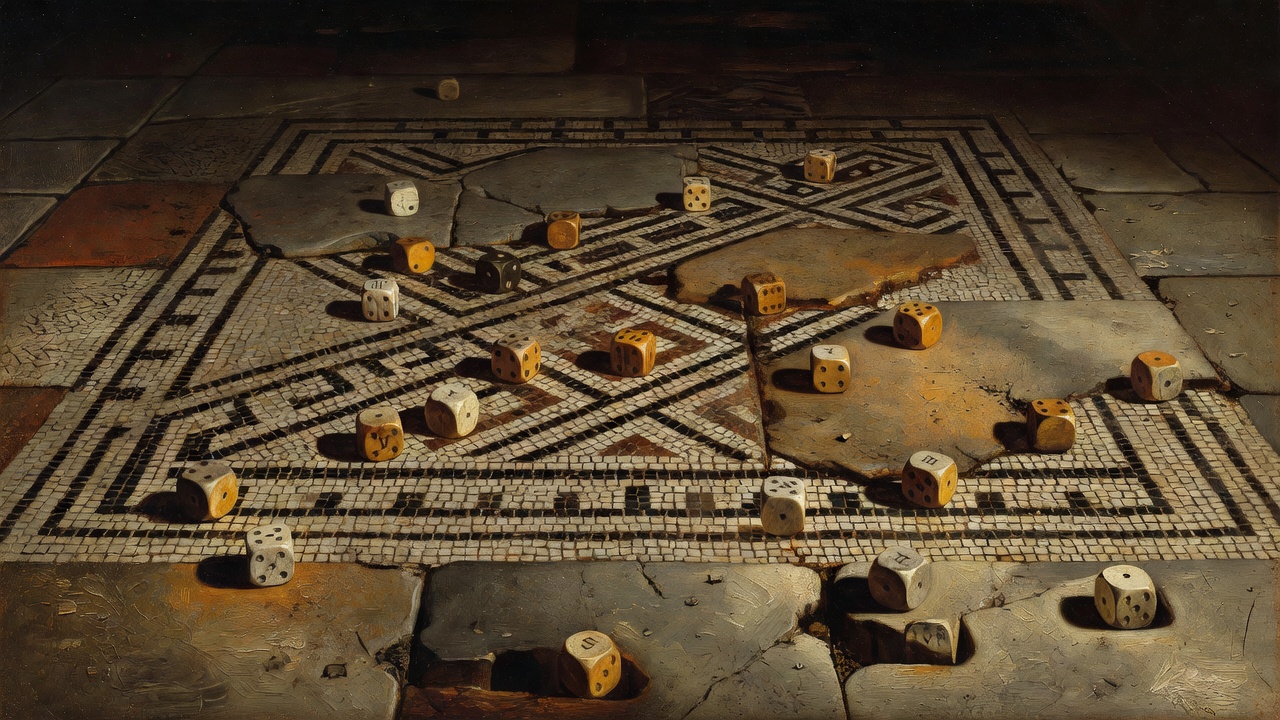
Ancient Romans gambled obsessively. What does their history reveal about loss aversion, social status, and why societies keep trying (and failing) to ban gambling?
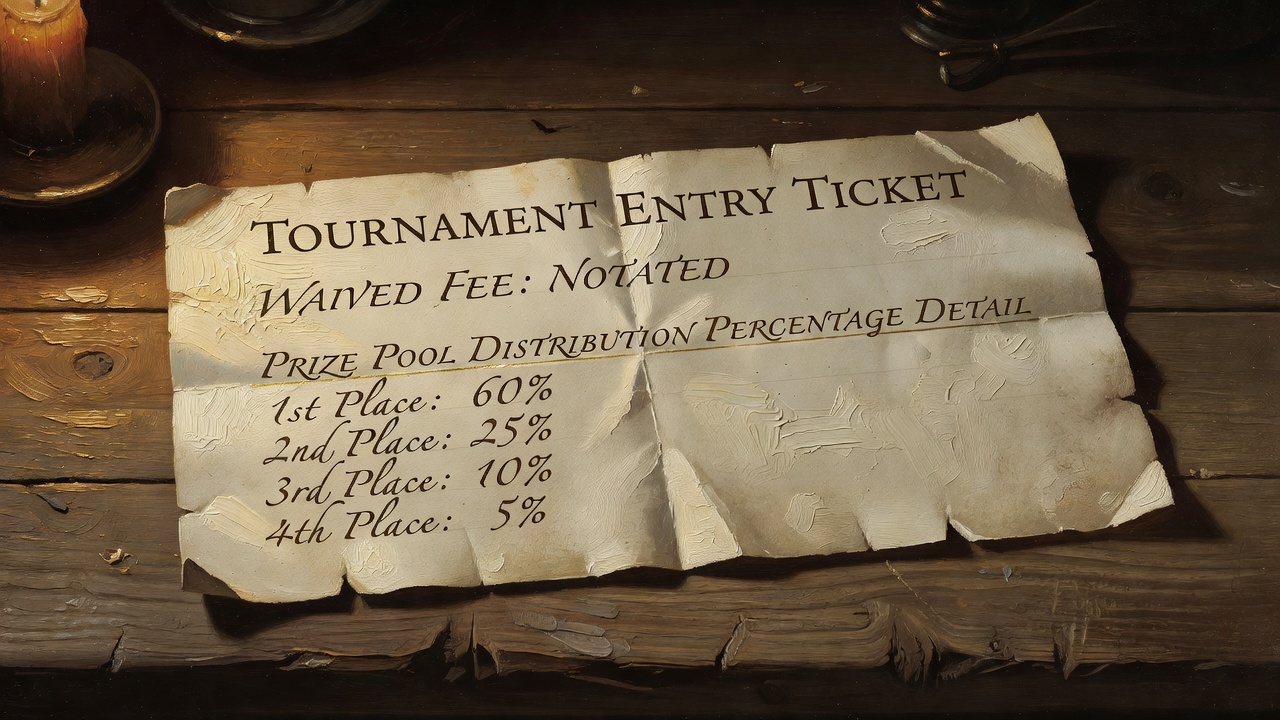
Ante-up poker differs from standard cash games in one critical detail: everyone pays a small fee into the pot at the start of each hand. We examined a dozen operational ante-up rooms to understand the mechanics, stakes structures, and why this format appeals to both professionals and casual players.
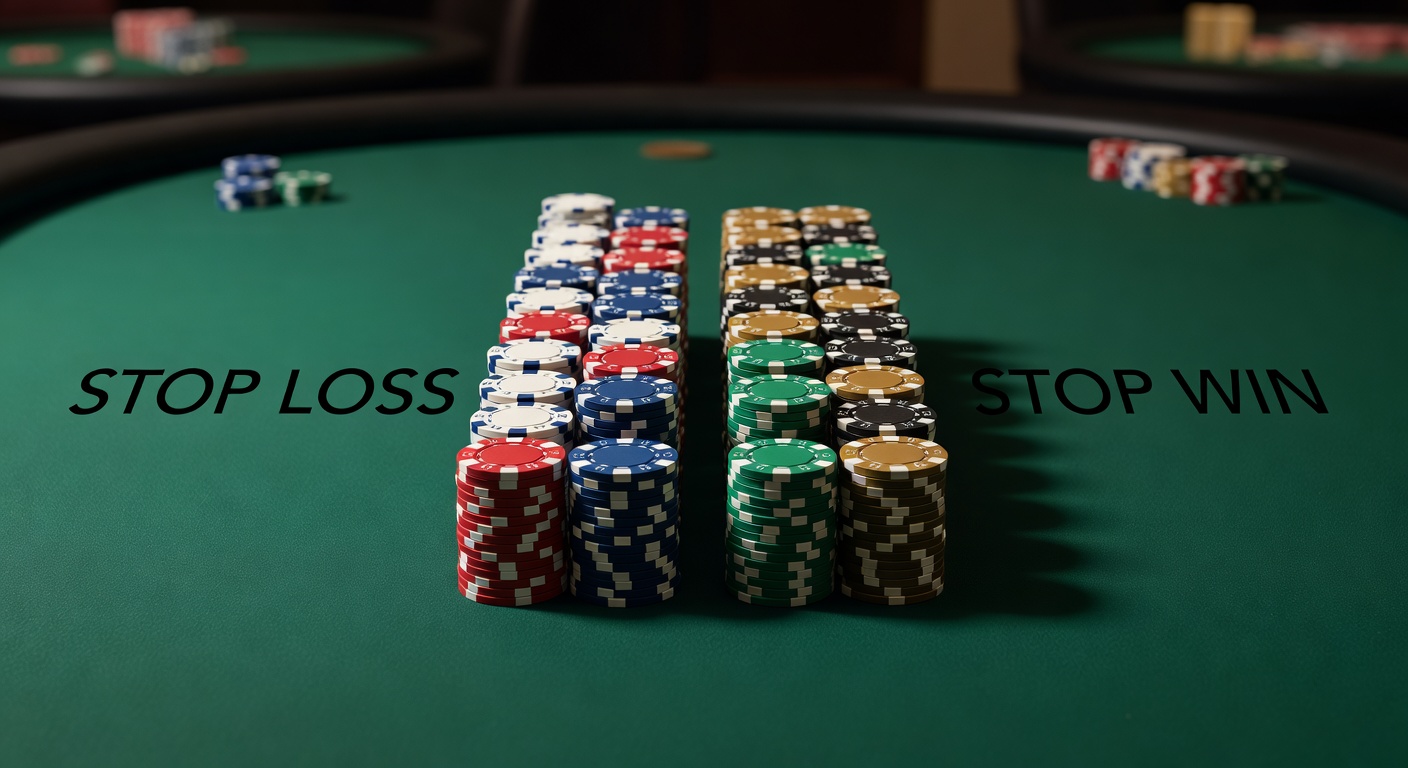
I watched a guy in Atlantic City set his stop-loss at 500 bucks, then lose 400 in twelve minutes and walk. Two hours later, he came back swearing he'd never felt more alive. Here's what the math really says about protecting yourself at the tables.
Traditional slots use paylines. Five symbols in a row on an active line wins. Cluster pays uses proximity instead. Adjacent symbols of the same type win. The difference changes how you think about the game.
Doyle Brunson lived from 1933 to 2023, a span of ninety years across which he accumulated wealth not by wage-labor, but by superior perception of risk pricing. His life illuminates how an individual trader can maintain positive expected value across decades, compounding through variance.
A Monte Carlo high-limit host recalls the teams that came through. Some won millions. Some disappeared. All of them taught the casinos something about keeping a game tight.