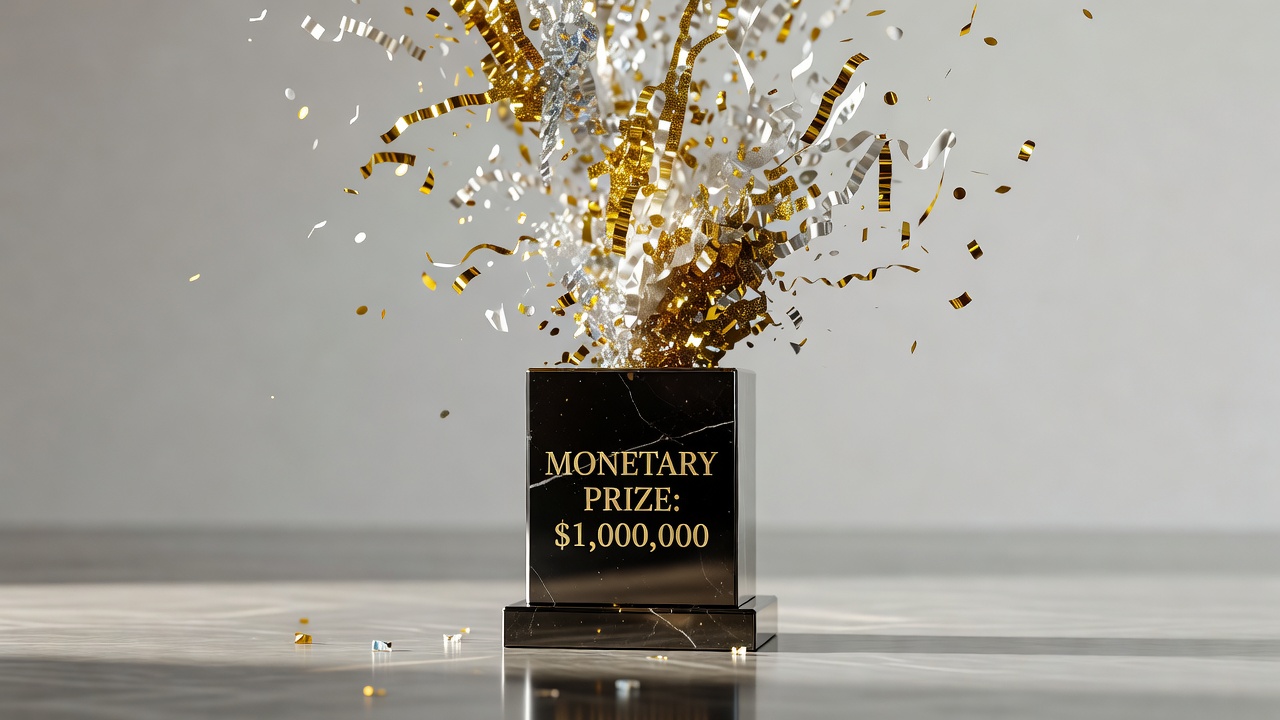
Right, so there was this hand. This hand happened in Las Vegas, 2012, and it was the moment when a kid from Orange County California showed the world that poker, at its absolute pinnacle, was still very much about knowing what the other bloke is thinking. The Big One for One Drop tournament. Antonio Esfandiari. Eighteen million, three hundred thousand dollars. The largest single tournament prize in poker history. And he got it done.
You have to understand what was happening at that particular moment in that particular room. The 2012 poker scene was dominated by the mathematical boys. GTO this, solver that. Everyone acting like poker was fully mapped out, like there were no more reads to be made, like the game had been reduced to formulas in a computer. Esfandiari shows up and plays something closer to the old way. He reads people. He moves money around. He understands positioning and psychology and how much punishment a good player can absorb and still come out breathing.
The field for the Big One was properly intimidating. You had the best poker players in the world, the men who had been grinding tournaments for fifteen, twenty years, the professionals who eat younger players alive before breakfast. Esfandiari was very good, no question about that, but he was competing against Ivey, against Hellmuth at his best, against Antonius, against men who had collectively won hundreds of millions playing cards.
The thing that made his run special was not that he played better poker than these men, though he did play excellent poker. The thing that made it special was that he stayed calm. In a room full of men performing versions of themselves, men playing poker partly for the money and partly for ego and partly because the attention fed something essential in their character, Esfandiari kept his head down and played actual poker. He did not try to be the smartest bloke in the room. He tried to win hands. He succeeded.
The Setup and the Grind
Esfandiari came into the tournament proper already proven. He had been grinding high stakes for years. He understood the variance. He understood bankroll. He had played enough hands to understand something deeper than pure mathematics: the patterns in how human beings behave under pressure. The tournament itself was a grueling affair. Played over days. Elimination after elimination. The longer the tournament continued, the more crucial his calmness became.
There was a particular stretch where he found himself card dead. Absolutely card dead. Playing garbage. Folding one hand after another. In a tournament environment, card death is psychological murder. You watch your stack decline. You watch the blinds circle around. You watch shorter stacks than you are getting it in and hitting. It messes with your head. Esfandiari did not let it mess with his head. He tightened up. He waited. He played carefully when he had to play.
The finest players understand that winning a major tournament is not about the hands you play; it's about the hands you do not play.
When opportunities came, he took them with precision. He did not overplay marginal situations. He did not tilt into ridiculous aggression to recover losses. He simply kept playing. This matters more than it sounds.
The Final Table Theater
By the time the final table arrived, the pressure was absolutely enormous. These are grown men, professional athletes of the mind, and suddenly the prospect of eighteen million dollars is tangible. It is sitting there on the table. It is in the chip stacks. Every decision, every card, every moment could determine whether a player goes home having won life-changing money or having come up short at the absolute highest level.
Esfandiari managed this pressure by treating it as just another poker situation. He did not speechify. He did not perform. He did not try to intimidate people across the table with clever remarks or big bets designed to show how unaffected he was. He simply played poker. He made good decisions. He avoided bad ones. And gradually, inexorably, his stack grew.
The beating he put on his opposition was not flashy. It was surgical. Controlled. Precise. When he got a good situation, he exploited it fully. When he did not have a situation, he folded and waited for the next one. This patient approach, which sounds boring in the telling, produced the largest payday in poker history.
The significance of Esfandiari's victory extended beyond the prize pool. It represented a validation of something the mathematical poker boys had been dismissing: that reading opponents still mattered. That psychology still mattered. That a brilliant but patient player could still defeat theoretical sophistication through superior understanding of actual human behavior. In the years after, poker training began emphasizing balance and range again, not merely solver output.
Esfandiari took home eighteen million dollars. He earned every penny. Not through luck, though luck played its role, but through excellence under pressure, through calm when the stakes were highest, through a fundamental understanding that poker, even at the absolute top of the professional pyramid, remained a game played by human beings, and human beings have tells.