You see a live dealer stream and it looks clean. Card shoe, shuffle, deal. Table in focus. Chat running on the side. Looks simple. It's the opposite. The production chain for live-casino streaming is technical hell, and most people running it are barely keeping it together.
I watched the backend of a Pragmatic Play stream setup at Hippodrome Casino in London. Eight cameras. Four audio feeds. One dealer. One production manager sweating through a shirt because if the stream drops, the casino loses maybe 3,000 pounds in action per minute.
The Camera Setup
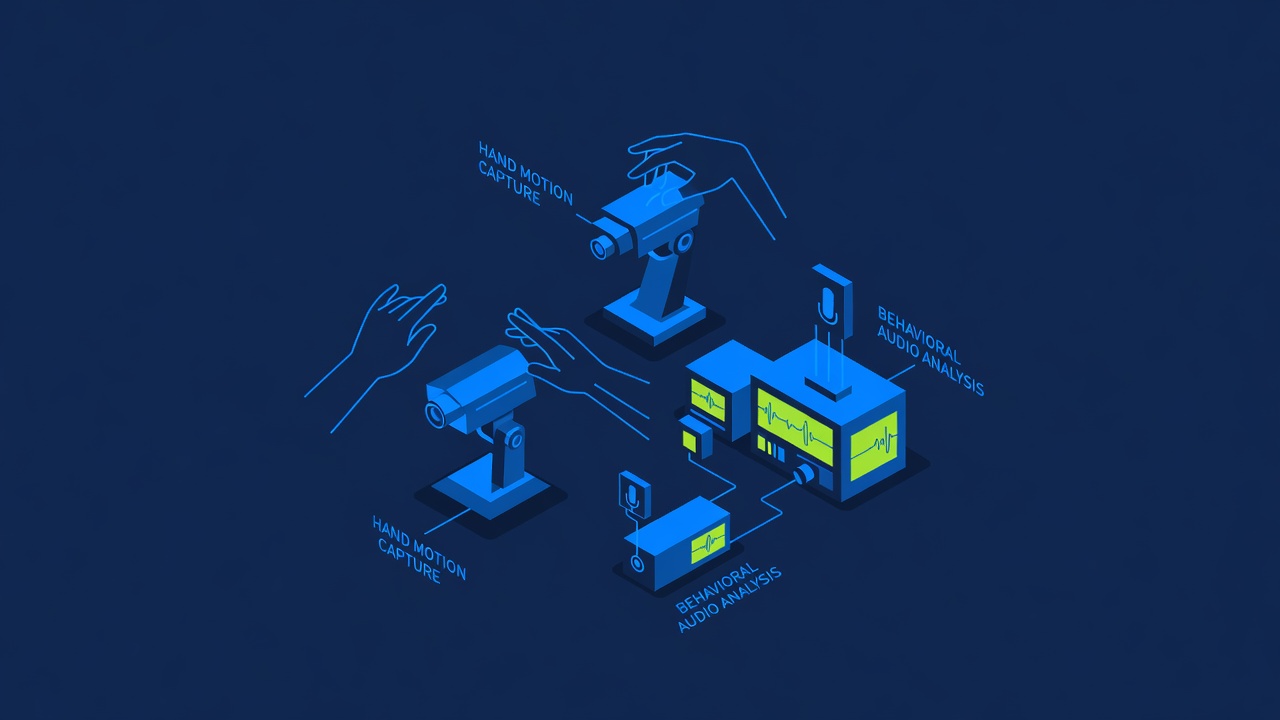
One overhead camera points down at the table. That's the money shot. One locked on the dealer's face. One on the shoe. One on the wheel, if it's roulette. One on the results display. One backup locked on the table. Two more roving cameras if there are multiple tables.
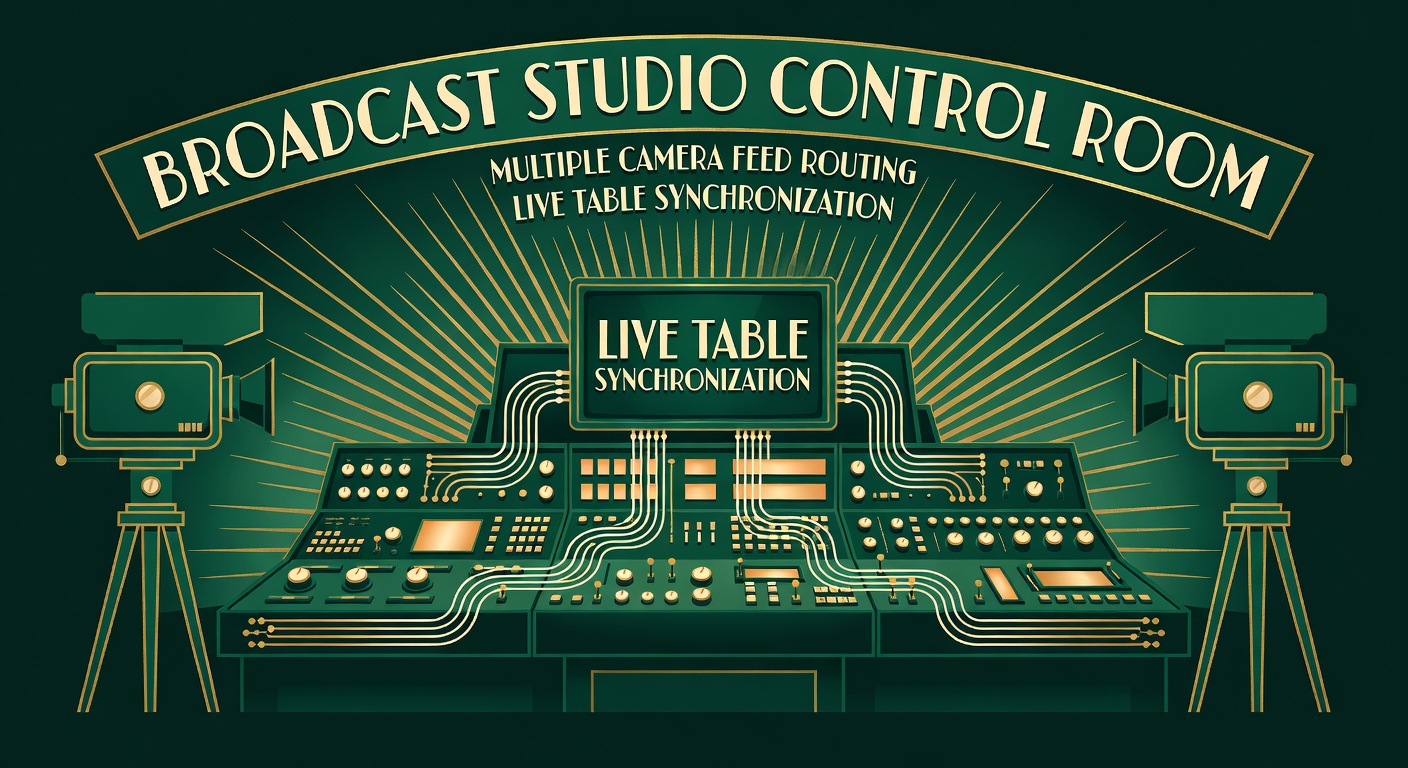
All feeds have to sync perfectly. The overhead cam shows the card landing. The shoe cam shows it exiting the shoe. The dealer cam shows the dealer's reaction. All three happen within a quarter second or they look wrong. Worse than wrong. They look rigged.
Casinos use Blackmagic Design Atem switchers. They cost about four grand. They cut between cameras in software with zero lag. The alternative is analog switching, which creates visible lag and makes paranoid players think the stream is manipulated post-flop. It isn't, but the lag creates liability.
The Encoding and Transmission
Raw video from those eight cameras is about 40 megabits per second. Uncompressed. That's 18 terabytes per hour. You can't transmit that or store it. So the stream gets encoded.
Pragmatic uses H.265 codec. Target bitrate: 8 megabits per second. That's a 5:1 compression ratio. You lose some quality, but it's enough. The encoding happens in real-time on a Dell workstation with an RTX 3090. If that machine hiccups, the stream goes blocky for a half second. Players notice. They accuse the casino of cheating. It wasn't cheating. It was a dropped frame.
The video is then split into multiple quality tiers. 1080p for desktop, 720p for mobile, 480p for low bandwidth. All four streams are being encoded simultaneously on the same workstation. If the CPU hits 90 percent, the production manager starts sweating because the next tier up is a separate machine and that costs money and adds latency.
Audio Mixing and Latency
The dealer has a headset mic. The ambient room audio comes from a boundary mic under the table. The music (yes, there's music, it's branded) comes from a preloaded playlist. All three feeds go into an Allen and Heath mixer. The production manager uses a fader to keep the dealer at minus 6 dB and the room at minus 12 dB.
If the dealer gets too loud, watching players can't hear the game sounds. Too quiet and players can't hear them confirm the hand. It's a constant adjustment.
But here's the problem: audio and video have different latency requirements. Video can be delayed up to two seconds and players don't notice much. Audio can only be delayed one second before players notice the lip-sync is off. The production manager has to buffer the video slightly to match audio latency, which creates this weird effect where the audio happens one second before the action on screen.
That one second is an attack vector. If someone is running a remote angle (side camera), and they know there's one second delay, they could theoretically call in a bet to someone at the table. That's why regulated casinos use encrypted audio feeds and require dealers to be isolated from outside communication during streams.
Chat and Player Management
The stream is usually broadcast through a custom player on the casino's website and also through Twitch or YouTube as a secondary feed. The Twitch stream has chat. The website has chat. These are two different systems with two different moderation queues.
A player types "DEAL IS RIGGED" in Twitch chat. A bot flags it. A human moderator reviews it within five seconds and deletes it. Meanwhile, another player in the website chat says "I have a technical complaint about the deck." That goes to a different queue. That requires a dealer acknowledgment. The dealer pauses the action and confirms the deck.
That pause is money. Every second the table isn't running is a lost bet. So casinos hire production managers who can moderate chat and keep action moving simultaneously. It's like being air traffic control for a poker table while also being a bouncer.
The RNG Integration
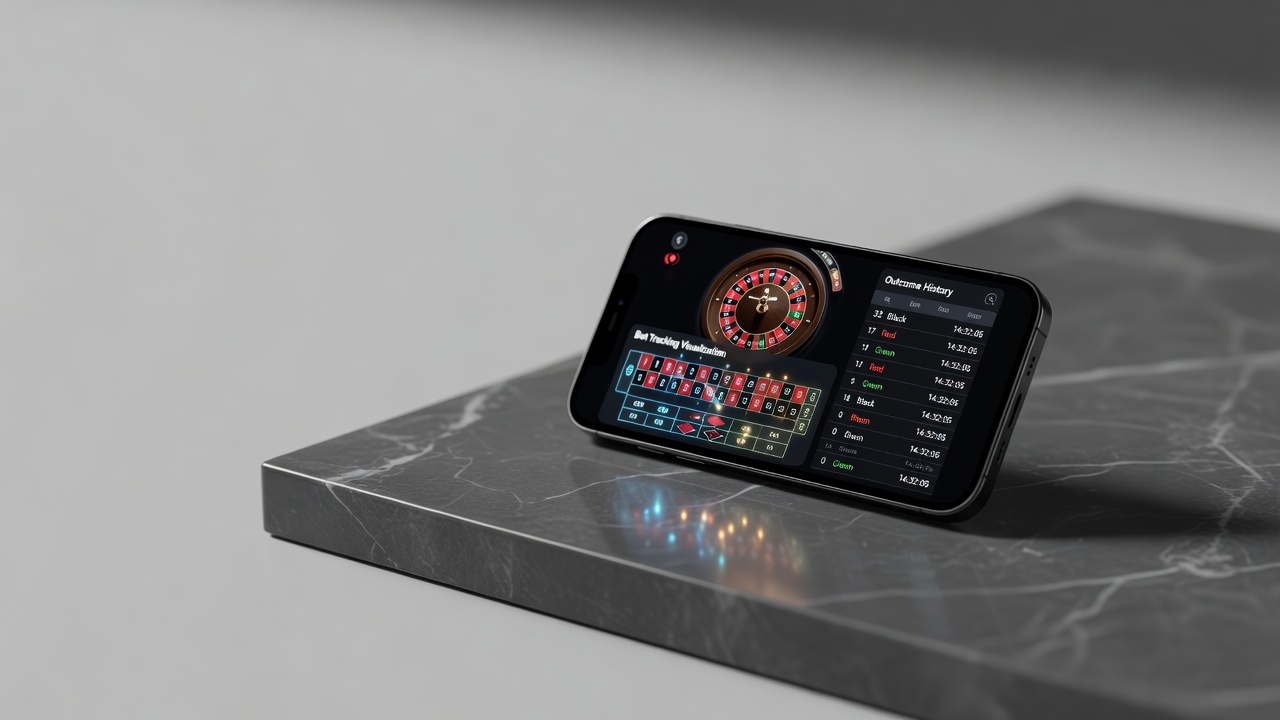
For roulette and other games using random number generation, the casino has to prove the RNG is fair. Every spin is logged. The wheel is filmed. The outcome is logged. The RNG seed is encrypted and sent to a third-party auditor (usually eCOGRA or GLI) who verifies that the output matches the seed later.
If a player accuses the game of being rigged, the casino can decrypt the logs and prove exactly how the RNG generated that outcome. That's regulatory requirement. But it's also a technical requirement that adds latency to the broadcast. The RNG runs ahead of the dealer by 30 seconds. That's why roulette streams sometimes look like the dealer is calling slow results. The result already happened in the RNG. The dealer is catching up.
Why It Breaks
I've seen a live roulette stream at Stake drop for 47 seconds. That's a year of production failures squeezed into under a minute. What happened: an encoding machine overheated. The backup kicked in but there was a 12-second handoff lag. Then the website player lost sync with the stream and took 35 seconds to re-buffer.
During those 47 seconds, the spinning wheel was captured by the overhead camera, but no stream output. Players couldn't see what was happening. The dealer kept calling the result. Some players thought the result was rigged. It wasn't. It was a machine problem.
The fix: Pragmatic now runs triple-redundant encoders. If one fails, two backups activate. Cost: an extra 40 grand per stream location. Most smaller casinos don't have it. So they just pray the machine doesn't fail.
The Real Problem
Live casino streaming is a solved technical problem. The cameras exist, the encoders exist, the delivery networks exist. What makes it hard is that the entire production chain has to run at 99.97 percent uptime for games that only run 16 hours a day. That's a narrow operating window with very little forgiveness.
A single dropped frame looks like a glitch. Dropped frames on a regular basis look like a rigged game. Dropped audio sounds like a transmission problem. But the underlying issue is always the same: someone somewhere in that chain made a decision to save a thousand dollars instead of spending ten grand on backup systems.
That's the game behind the game.