The History of Live Dealer Gaming: From Studios to Streaming
Live dealer games first appeared in the early 2000s as online casinos sought to differentiate their product offerings. The initial implementations were crude. A single camera pointed at a physical table. The dealer was in a studio in the Philippines or Riga. The connection quality was poor. But the innovation was clear: you could sit at home and play against a real dealer instead of a software random number generator.
The regulatory advantage was significant. Some jurisdictions permitted online casinos under the condition that the games be provably fair or operated by human dealers under visual supervision. Live dealer games solved a regulatory problem. They allowed casinos to operate in jurisdictions that did not permit pure software-based games.
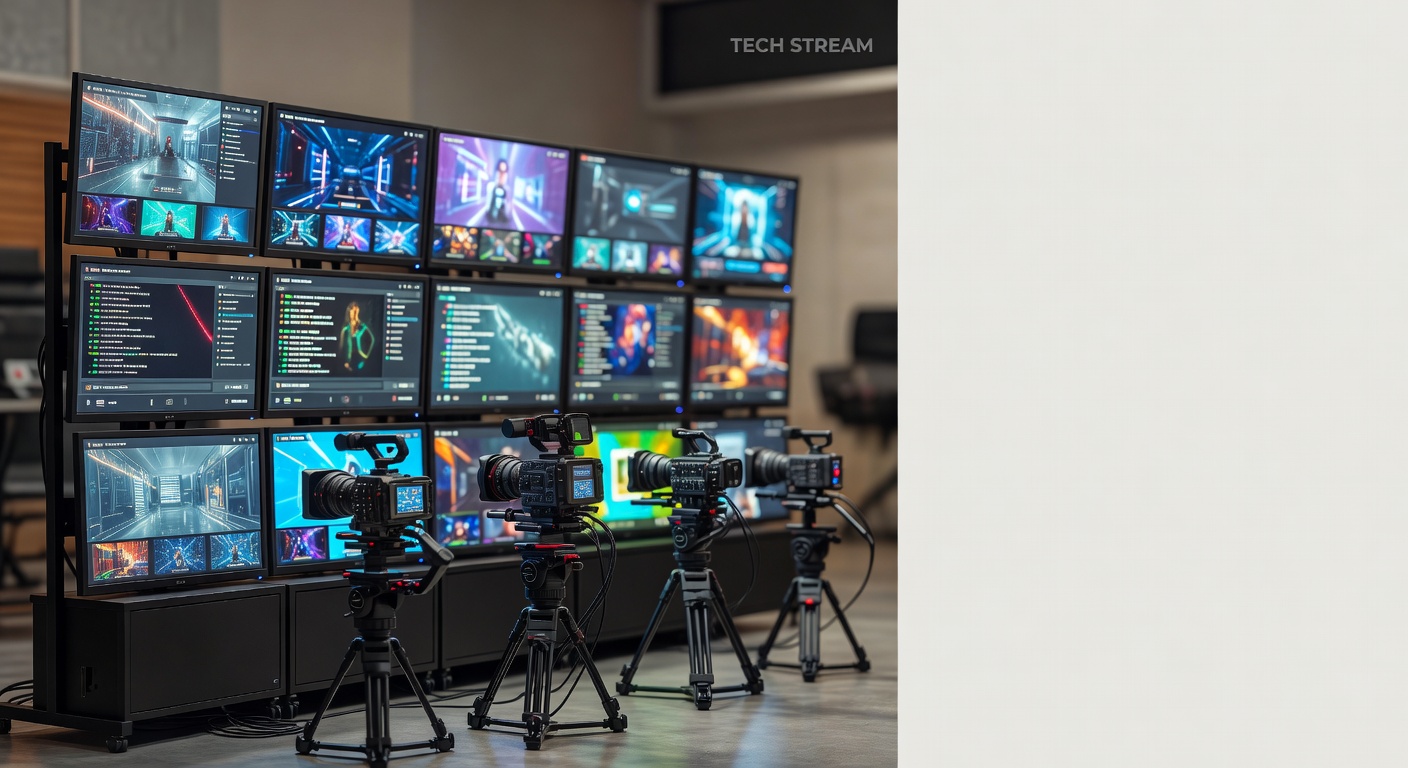
The technology evolved. By the 2010s, multiple cameras were standard. Some providers like Evolution Gaming developed HD studios with multiple seats, multiple dealer positions, and sophisticated production values. A player could choose between a standard table and a high-stakes VIP table. Some casinos offered private tables where the player could see the cards more clearly or take more time to make decisions.
The infrastructure required to operate live dealer games is substantial. A studio with professional dealers, croupiers, and management staff costs millions to operate. This is why the major providers (Evolution, Pragmatic, Playtech) dominate the market. A smaller casino cannot build their own studio. They license the games from a provider. The provider captures the economics.
From a regulatory perspective, live dealer games exist in a middle zone. They are not fully software-based, so they appeal to regulators concerned with algorithmic fairness. They are not physical locations, so they do not trigger casino licensing requirements in jurisdictions where online gambling is illegal. They occupy a regulatory sweet spot.
From a player perspective, live dealer games feel more authentic. There is a human being on the other side. The game cannot be rigged in the way that a software RNG could theoretically be rigged. The visual evidence of the cards being dealt is there. The perception of fairness is higher.
Currently, live dealer games are streamed globally. A single studio in Romania can serve players in Malaysia, Britain, and Canada simultaneously. The provider manages the load balancing. The player experiences a seat at a shared table. This efficiency allows the providers to offer live dealer games at lower minimum bets than they could previously support.
The most recent evolution is proprietary studios. Some casinos now build their own in-house live studios and offer those games exclusively to their players. This is more expensive than licensing but allows for customization and higher margins. A high-value casino brand might justify the investment.
Live dealer games have not displaced software-based games. Both exist. Software games are faster, available instantly, and require less infrastructure. Live dealer games feel more authentic and appeal to players who value the human element. The market has settled into a stable equilibrium where both categories coexist.
The practical implication here is straightforward. If you understand this mechanism, you can protect yourself. If you do not, you are exposed to the risks that others have learned to avoid.
Understanding this principle helps you make better decisions in similar situations.