There was a moment in 1996 when certain men understood something about culture: the experience was the product. Not the object, not the content, but the experience of consuming them. This applied to casinos suddenly, when online gambling became technically possible.
Live roulette: you see a dealer, a physical wheel, a ball. It lands. You watch. The experience is of a real wheel, really spinning, really landing on a real number. The delay is built in (a wheel takes thirty seconds to stop spinning). The ritual is real.
RNG (random number generator) roulette: you click a button. A number appears instantly. The outcome is determined by computer. The experience is frictionless.
Neither is unfair. Both are mathematically equivalent (assuming proper auditing). The question is: which experience do you want?
The Live Experience
Live roulette carries the theater of a real casino. You watch the ball land. There is a moment of suspense. The ball is rolling, it could land anywhere, it lands on red. You won.
This moment (the suspense before the outcome is revealed) is the entire product. The game itself is boring. Red or black, 50-50, house edge on the zeros. The game is not interesting mathematically. It is interesting experientially.
A live dealer adds another layer. They are a human presence. Some dealers are friendly, will chat, will acknowledge your wins. Some are neutral, professional, efficient. The human factor is part of the product.
Live roulette also carries a small delay (30 seconds per spin minimum). This is a feature, not a bug. The delay allows you to sit with your decision. Allows the outcome to feel earned rather than instant.
The RNG Experience
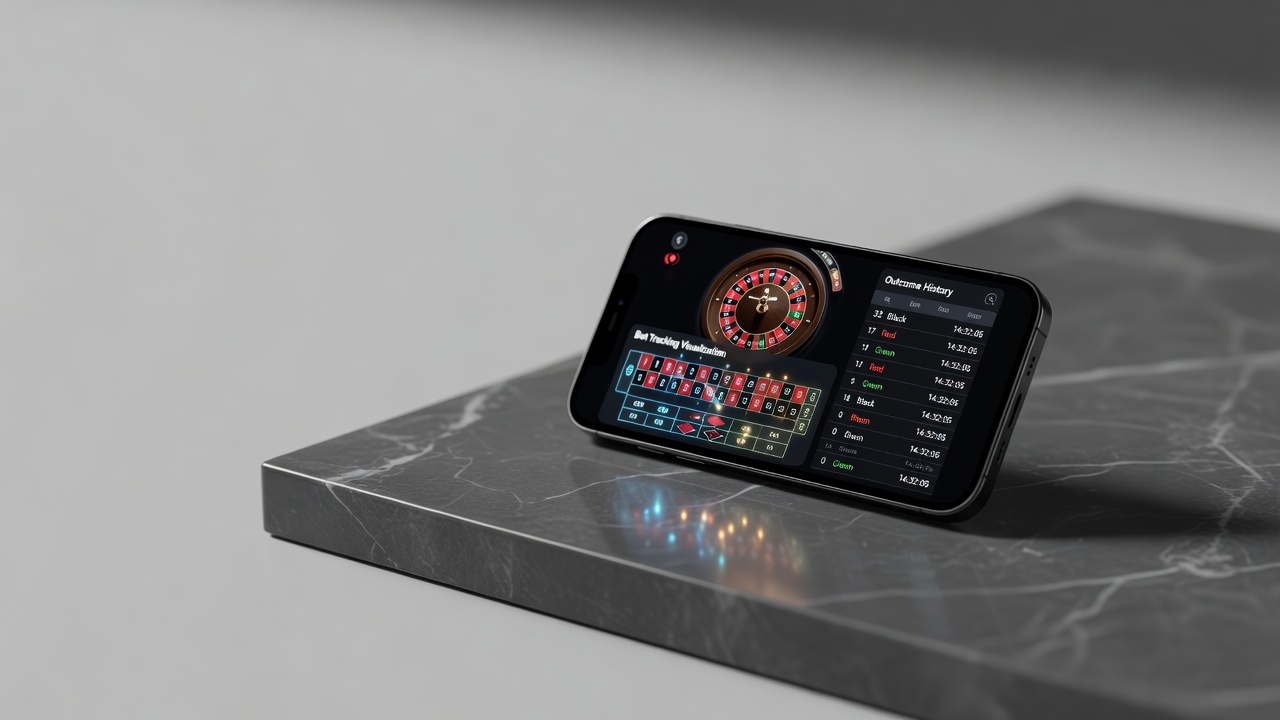
RNG roulette is speed and efficiency. You spin. Results appear instantly. You can play 200 spins per hour instead of 120. The outcome is determined by computer and displayed with animation (a wheel spinning very fast, then landing). The animation simulates the live experience without the wait.
RNG roulette is useful for players who want volume. For testing systems, for exploring the game, for sessions where you are not trying to maximize the experiential component.
RNG roulette is also useful for players in places where live roulette is not available. A player in a jurisdiction where live dealer is restricted might have access to RNG slots and RNG roulette, but not live tables.
The Math Is Identical
Both games have the same house edge (2.7% on European roulette, 5.26% on American). Both are audited (assuming a reputable provider). Neither offers an advantage.
The question "which is fairer" has one answer: they are equally fair. The question "which is better" has many answers, depending on what better means to you.
The Cultural Difference
Live roulette feels like gambling because it captures the ritual. RNG roulette feels like a video game because it removes the ritual.
Both are gambling. The house edge works the same way. The money leaves your account at the same rate. But one feels like a choice you are making at a real table, and the other feels like a computer dispensing outcomes.
A player who cares about the feeling (the experience, the theater) will prefer live. A player who cares only about the outcome (did I win or lose, how fast can I play) will prefer RNG.
The Practical Choice
If you are betting more than 10 dollars per spin, live is worth the cost (minimal; they don't charge extra). The experience justifies the wait.
If you are betting 1 to 5 dollars per spin, RNG offers better volume. You get more action per hour. The house edge is identical so you are losing the same amount per hour; the speed determines whether you prefer that to feel fast or slow.
If you are testing a roulette system or analyzing outcomes, RNG is better (you can generate more samples faster). If you are trying to enjoy gambling, live is probably better.
Neither is a trap. Neither is deceptive. They are simply different products.