Marcus had brought his Chase debit card and a cashier's check from his bank. He stood at the casino cage for what felt like a very long time while the cashier typed. Outside, rain started. The card worked. The cashier handed him five hundred in chips, all in orderly stacks of twenty-five. He walked toward the blackjack tables and did not look back at the cage.
What happens when you walk up to a table with money is simple logistics and small humiliations. The dealer cannot accept cash. The dealer cannot accept cards. The dealer cannot accept anything except chips purchased through the cage. This gap between what players carry and what tables accept is where casinos construct friction. That friction has a purpose, and understanding it changes how you fund your session.
Methods That Work At The Table
Credit cards processed through the cage operate at the finest margin: the casino charges you nothing upfront, but the card issuer might. Many credit card companies flag casino cash advances as separate from regular transactions and charge three to five percent fees immediately. Visa and Mastercard treat this differently by issuer, so your bank's policy determines the true cost. A five-hundred-dollar cash advance might cost you thirty-five dollars the moment you receive the chips.
Debit cards avoid that penalty. The cashier pulls the transaction directly from your checking account. No advance fee. No separate categorization. You get one-to-one conversion from dollars at the cage to chips at the table. Marcus knew this. He had called his bank the night before his trip to confirm his debit card would work. They told him it would. It did.
ATM withdrawals inside the casino compound the problem differently. The casino's ATM charges a fee, usually three to five dollars. Your own bank charges a fee for out-of-network withdrawals, usually another two to three dollars. A four-hundred-dollar withdrawal costs you between twenty and thirty-two dollars in fees alone. That money is gone before you ever touch a chip. Yet many players walk straight to the ATM because they did not plan ahead. The ATM is visible. The ATM is available. The impulse to avoid planning overtakes the cost.
Cashier's checks are underused. Marcus obtained one from his bank for a thirty-dollar fee. He brought it to the casino cage. They did not process it immediately; they wanted to call his bank to verify funds. Fifteen minutes later, confirmation came back. He received chips. The thirty-dollar fee was fixed, not percentage-based, so it represented 6 percent of a five-hundred-dollar purchase but only 1.5 percent of a two-thousand-dollar session. For large table-game sessions, cashier's checks become efficient. The casino needs the verification time, but that time is manageable.
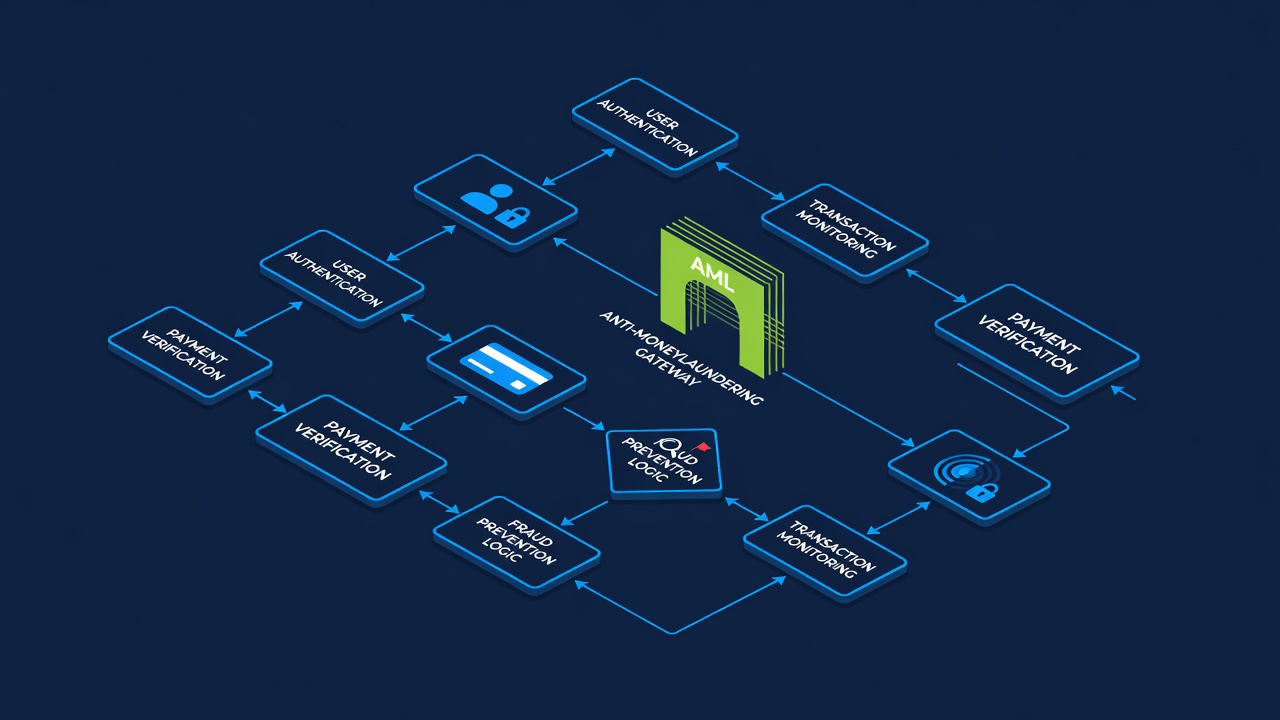
Wire transfers exist but are vanishing. They take hours, sometimes days. The casino cage requires government identification and must record the transaction for AML compliance. A wire transfer to fund a four-hour blackjack session is theatrical: you are paying AML fees, wire fees, and waiting periods to achieve what a debit card accomplishes in ninety seconds. Wire transfers make sense for moving large sums to high-roller accounts, not for casual play.
Crypto payments, offered at some online casinos, eliminate intermediaries entirely. If you already hold cryptocurrency, sending it to your wallet at the casino removes credit card companies and banks from the equation. But you carry volatility risk. A thousand dollars in Bitcoin sent today might be worth nine hundred fifty or eleven hundred fifty when you reach the table, depending on the market. On-chain settlement times also matter; if the network is congested, your transaction might be pending for hours. For in-person casinos, crypto is not yet standard, so this option remains limited to online venues.
Marcus played blackjack for four hours. He lost two hundred. He cashed in the remaining chips at the same cage and received dollars. The entire arc, from debit card to cash on the way out, cost him effectively nothing in fees. He had planned. He had brought the right card. He had called ahead. These small decisions, made before arriving, determine whether your bankroll erodes from friction before you ever face the house edge on the felt.