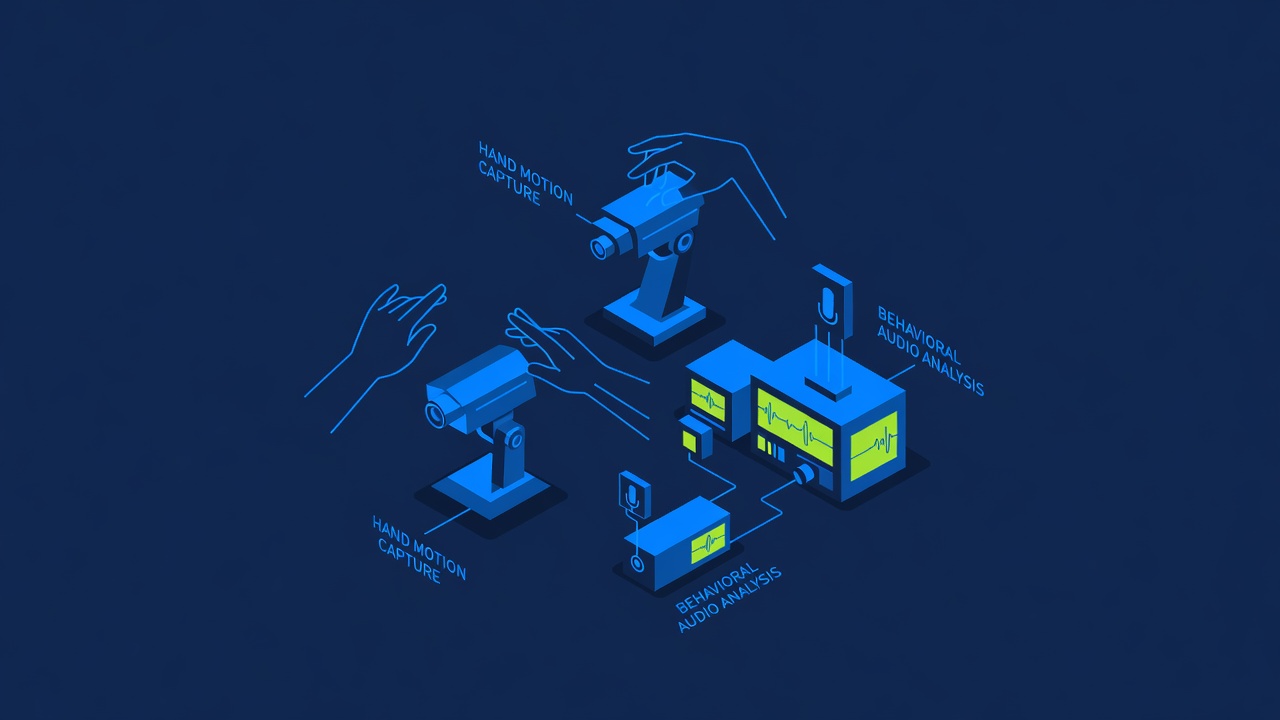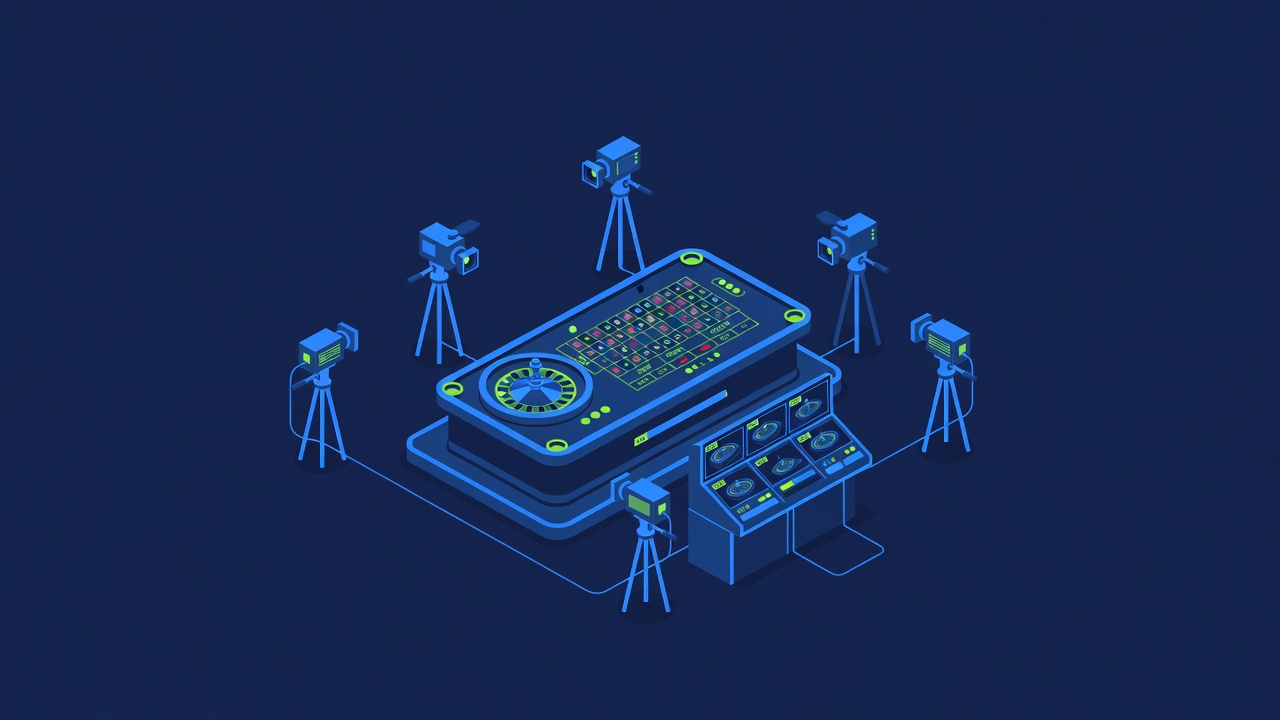
Okay so this is the crazy part that most people don't realize. When you're watching a live dealer game, right, there's this camera pointed at the table. The dealer deals cards. You see the cards. But the casino's system also sees the cards. And it's not a human looking at the monitor. It's a computer looking at the feed.
Optical Character Recognition (OCR) is a technology that reads text and images. A computer looks at a card and recognizes: this is a 7 of hearts. The computer does this hundreds of times per minute.
The live dealer flow works like this: dealer deals cards (on camera). OCR software analyzes the feed in real-time. The software recognizes the cards. The game engine receives this information and determines outcomes (the house edge, the payouts, whether the hand is valid).
The player sees the cards because they are looking at the camera feed. The game engine sees the cards because OCR extracted the data.
Why This Matters
OCR is the bridge between the physical and digital. Without it, a live game is just a video of a dealer. With it, the game becomes actionable. The casino knows what happened. The player knows what happened. The system can resolve the hand and process payouts.
The OCR has to be really accurate. If it misreads a card (thinks a 7 is a 10), the game resolves incorrectly. So casinos test OCR continuously. Evolution Gaming and Pragmatic Play employ entire teams checking OCR accuracy.
The Technical Part
OCR uses machine learning. The system was trained on hundreds of thousands of card images so it could recognize new cards. It's basically a giant spreadsheet of card patterns, and when it sees a new card, it compares the image to the patterns and picks the best match.
The accuracy is something like 99.9 percent. That one tenth of a percent error gets caught because the software flags anything it's not confident about, and a human (a dealer monitor) reviews it.
The Weird Implication
This means that a live dealer game is actually a hybrid system. It has a human component (the dealer, the physical cards) and a digital component (the OCR, the game engine). The human component guarantees fairness (actual cards, actually dealt). The digital component creates the playability (instant payouts, automatic resolution).
The system trusts the camera more than it trusts the dealer. If the camera shows a winning hand, the hand is winning, regardless of what happened at the table. The OCR reading is the source of truth.
This is actually genius design. It combines the trust of a physical game (real cards, you can see them) with the speed of a digital game (instant resolution, no disputes).
The Security Angle
OCR makes cheating harder. A dealer can't palm a card (the camera sees it). A player can't claim they had a different card (the OCR has the record). The system is almost uncheatab because the computer doesn't have the cognitive biases that humans have.
A human dealer might be distracted and miss a hand. OCR never misses. OCR doesn't get tired. OCR doesn't play favorites.
This is why live dealer games are actually more secure than some traditional casinos. The OCR is like an additional security camera that understands what it's looking at.