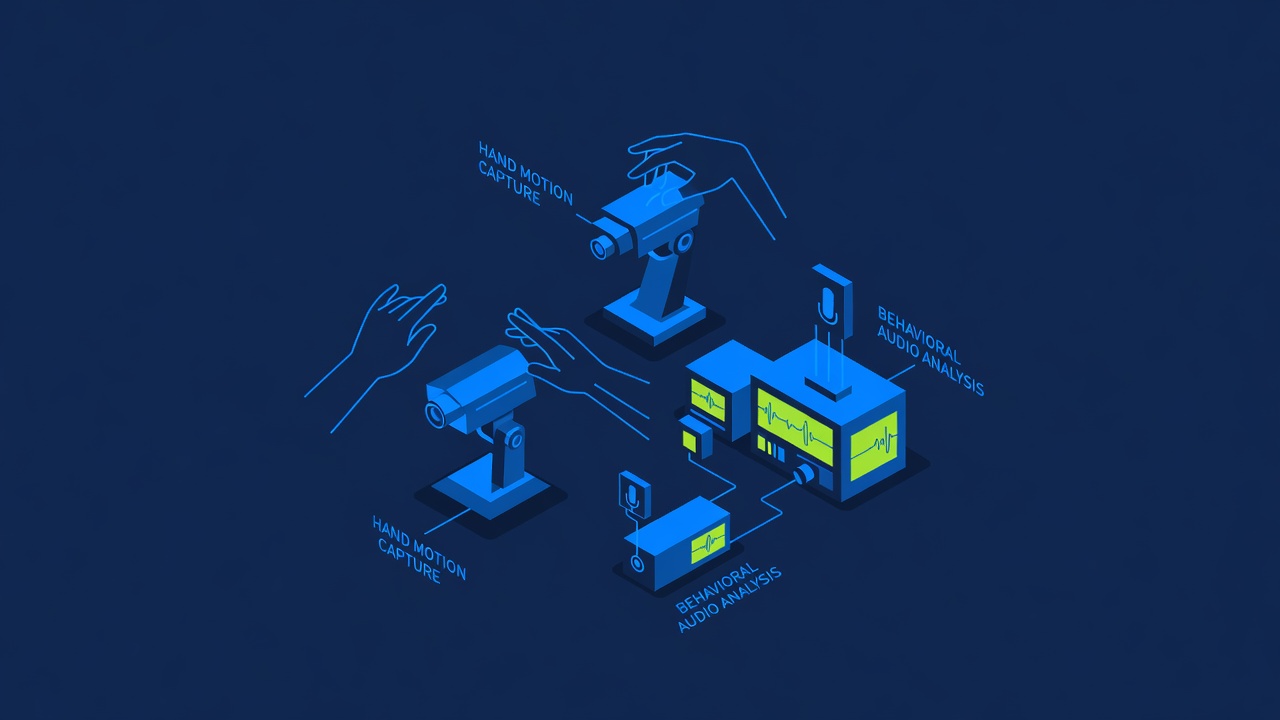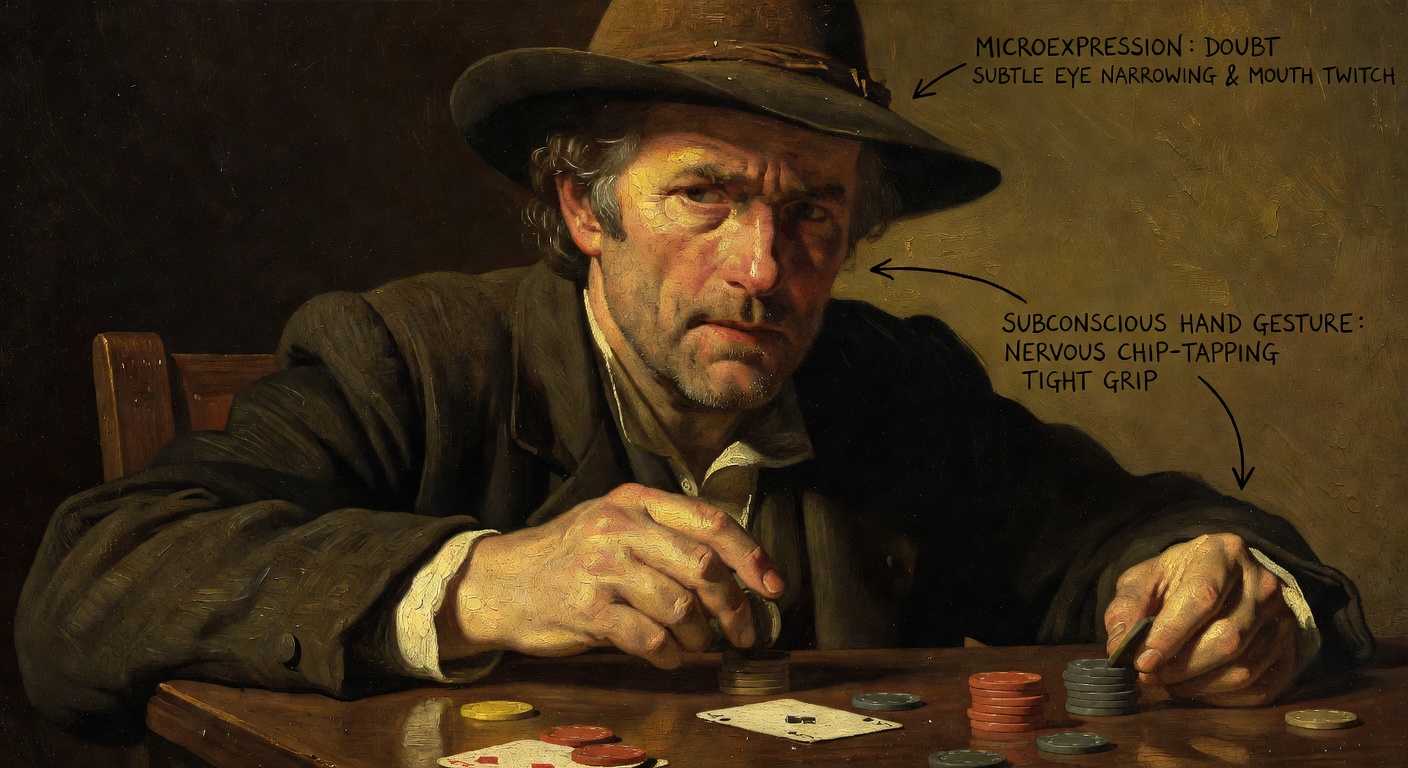
A tell in poker is a physical behavior that reveals information about the strength of a player's hand. A player checks their cards quickly, maybe they are excited, maybe they have a strong hand. A player takes a long time to make a decision, maybe they are uncertain, maybe they have a marginal hand. These behaviors are called tells and they are part of live poker.
Here is what is important to understand: most tells are not reliable. A player might take a long time to decide because they are thinking about the math. A player might look happy because they just got good news in a text message, not because of their hand. You can watch for tells but you should not over-weight them.
Common tells that are somewhat reliable: a player who suddenly becomes very still has usually gotten a very strong hand. A player who bets very quickly and confidently is usually not bluffing (because they did not need time to work up the confidence). A player who glances at their chips when the pot grows is usually considering a raise.
Common tells that are not reliable: a nervous twitch might mean nothing. A player who looks away might be checking you out, not avoiding your gaze. A player who trembles might have a strong hand or a weak hand depending on their personality.
Here is the thing about tells: they are individual. Every player has different tells. A player who shakes when nervous might shake when excited. A player who looks at the pot to calculate is not the same as a player who looks at the pot to decide whether to fold. You need to watch the individual player over multiple hands to develop a read.
The best tell is consistency. A player who always acts the same way regardless of their hand is not giving off a tell. A player who acts differently from their baseline is telling you something.
But here is the big picture: tells are a small part of poker. Your position, your range, your bet sizing, the pot odds, the stage of the tournament: these all matter more than tells. Players who over-focus on tells often miss the bigger picture. They read a tell and make a decision they would not have made based on the math.
My recommendation: watch for tells, but do not depend on them. Use them as confirmation when they align with the math. Ignore them when they contradict the math. The math will win over the tell almost every time.
The deeper question to ask yourself is whether you are truly understanding the mechanism or just accepting the narrative. Understanding requires effort. It requires questioning assumptions.
When you apply this thinking consistently, your decision-making improves. You stop accepting explanations at face value. You dig into the mechanics.
The key insight here is recognizing that surface-level understanding misses crucial details. When you take time to examine how things actually work, you see patterns that others miss. This gives you an advantage. The advantage comes from doing the work that most people skip.
This insight applies broadly across similar situations and contexts.