
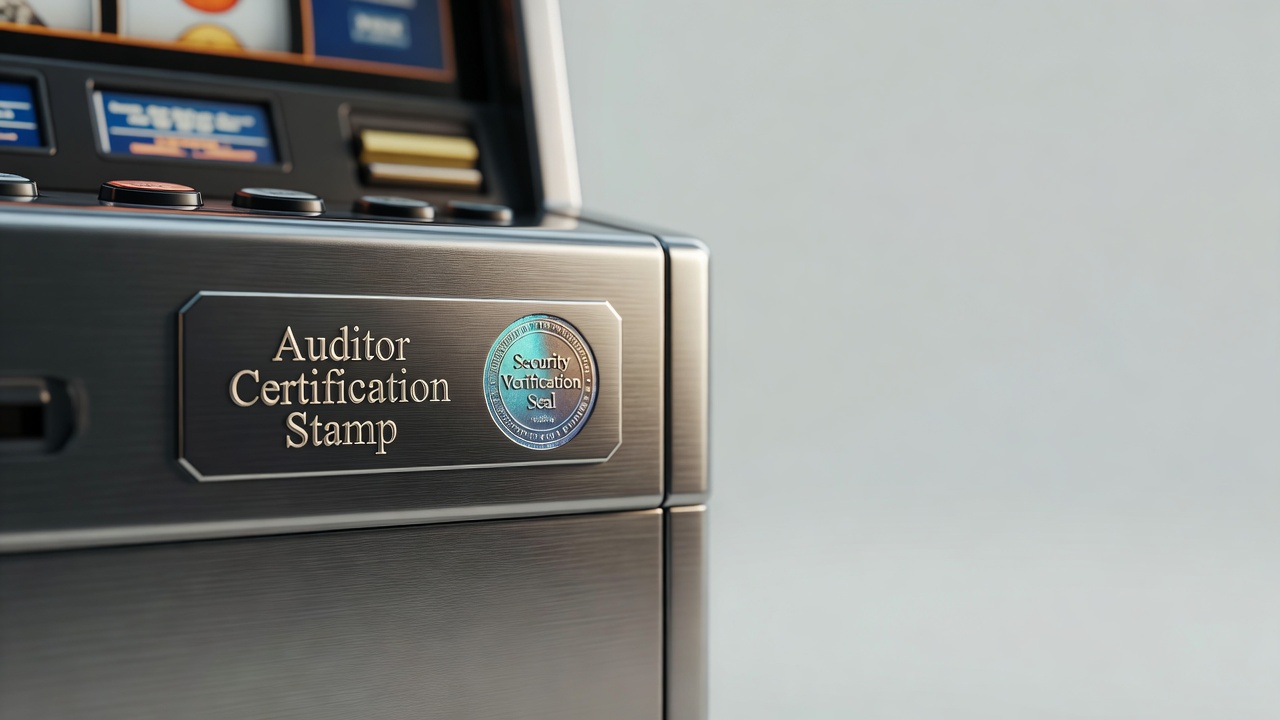
When you see a slot game listed as "Pragmatic Play" you're reading a company name. You're actually reading a certification: this game has been audited by a third-party lab (probably GLI), approved by multiple gaming regulators (UKGC, MGA, probably others), and is being operated by a platform that maintains operational standards. The name carries weight.
Conversely, when you see a slot from an unknown developer with no listed jurisdiction, no clear regulatory status, and no third-party audit history, you're reading a warning sign.
The Provider Ecosystem
The major reputable slot studios are: Pragmatic Play (serves UKGC, MGA, Curaçao eGaming), Evolution Gaming (evolution has expanded into slots; heavily regulated), IGT/Novomatic (massive legacy operations, serves traditional casinos and online), Microgaming (old-school provider, still strong in European market), NetEnt/Red Tiger (Swedish-regulated, serves Nordic and EU markets). These companies have been operating for 15+ years. They have compliance staff. They hire mathematicians to design games. They pay for third-party audits.
A slot from Pragmatic comes with an implicit warranty: "We paid for this game to be verified by multiple organizations. If it's broken, we know about it. If it's rigged, we're liable in multiple jurisdictions." That warranty is worth something.
The Fine Print Translation
When Pragmatic's site says "all our games are RTP-verified and certified," translate that as: "every game's return-to-player percentage has been tested by an independent lab under the rules of multiple jurisdictions. You can pull the audit report." This is different from a company saying "we guarantee fair games" (which means nothing) versus "audited RTP verification available" (which means something).
When a small provider says their game is "provably fair" on the blockchain, ask: fair according to which auditor? Fair according to which jurisdiction's standards? Blockchain provability doesn't substitute for human oversight. It supplements it.
The Regulatory Signature
A Pragmatic slot will have an approval stamp from (at minimum) the UKGC. It might have one from the MGA. It might have one from Curaçao eGaming. Each stamp means: this regulator has reviewed the game's mathematics, its compliance infrastructure, its security protocols. Not every Pragmatic game has every regulator's approval, but the stamp is trackable.
When you're playing a slot in the UK, look for the UKGC logo. When you're playing in the EU, look for MGA. These aren't decorative. They're assurance that someone official has looked at the code.
The Operator's Responsibility
A reputable slot provider is necessary but not sufficient. The operator matters. DraftKings and Bet365 serve Pragmatic slots. They also employ compliance teams. If a player's account is fraudulently accessed, these operators have insurance, recovery procedures, licensed customer service. A small crypto casino running a Pragmatic slot (or claiming to) has no such infrastructure. Pragmatic's reputation doesn't transfer to an unlicensed operator.
The Practical Test
When evaluating a slot provider, ask: Are they audited by GLI or equivalent? Are their games available in major regulated jurisdictions (UKGC, MGA territories)? Do they publish their testing reports? Are they backed by a company with offices and employees you can identify? Do they have a public compliance history?
If the answer to most of these is no, the studio is either new (and thus unproven) or operating outside regulation (and thus risky).
The reputation is earned slowly through years of compliance, disclosed audits, and operation in regulated markets. A provider with that history has skin in the game. They lose their entire business if they're caught running rigged games.
A provider with no history, no audits, no regulatory presence has nothing to lose by rigging. Their cost of fraud is zero.


