The casino floor has always been democratic in its chaos, but tournaments introduce something different: structure, leaderboards, collective energy. Tommy Bradshaw, a retired electrician from Reno who has played slot tournaments for twelve years, remembers his first one as if it were yesterday. He walked up to the players lounge at the Peppermill on a Friday evening in 2012, convinced he did not belong. What he found instead was a room full of people like him, all chasing the same small window of excitement.
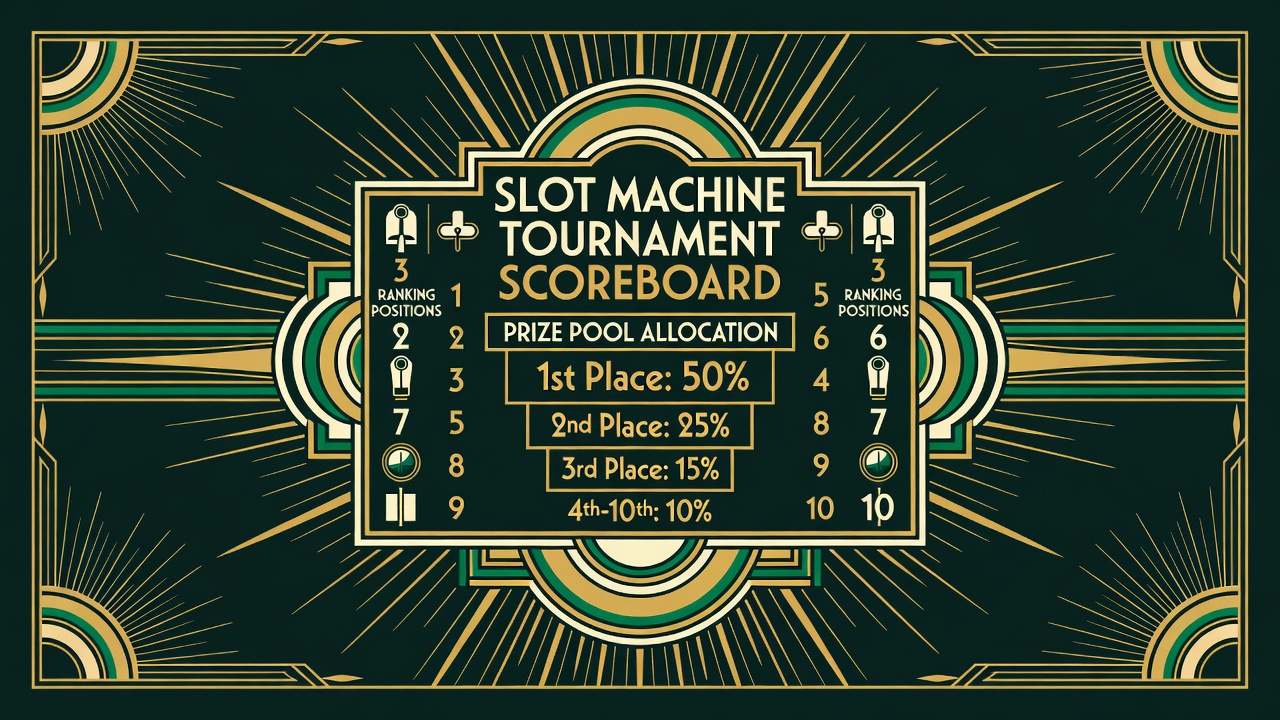
A slot tournament strips away one thing and adds another. You pay an entry fee, usually between fifty and five hundred dollars depending on the casino and the prize pool size. That fee buys you an equal playing field: thirty minutes of spins on a designated machine, usually one that is identical for all competitors. Unlike regular slot play where your fate depends entirely on how long you have been playing that particular machine, tournaments reset everything. The leaderboard starts at zero. Everyone has exactly the same window of time. The person who accumulates the most credits in those thirty minutes finishes first.
The Mechanics of the Leaderboard
Here is where the format becomes crucial. Some tournaments award points based purely on win size. A single jackpot can vault you from middle of the pack to the lead. Other tournaments use a tiered system: bonus credits for hitting certain combinations, multiplicative credits for consecutive wins. The Aria in Las Vegas runs weekly tournaments where three consecutive matching symbols double your next win. This rule changes strategy entirely. You stop playing for the big hit and start thinking tactically about which symbols to chase.
Registration happens at the players lounge counter or increasingly through casino apps. The casino distributes a player card, assigns you a machine number, and tells you your time slot. Three days later, you show up at 8 p.m. sharp for your thirty-minute bracket. The machine in front of you displays your credits on a large overhead monitor visible to everyone. This visibility is deliberate. Tournaments create spectators, which create witnesses to luck, which transforms the whole emotional equation.
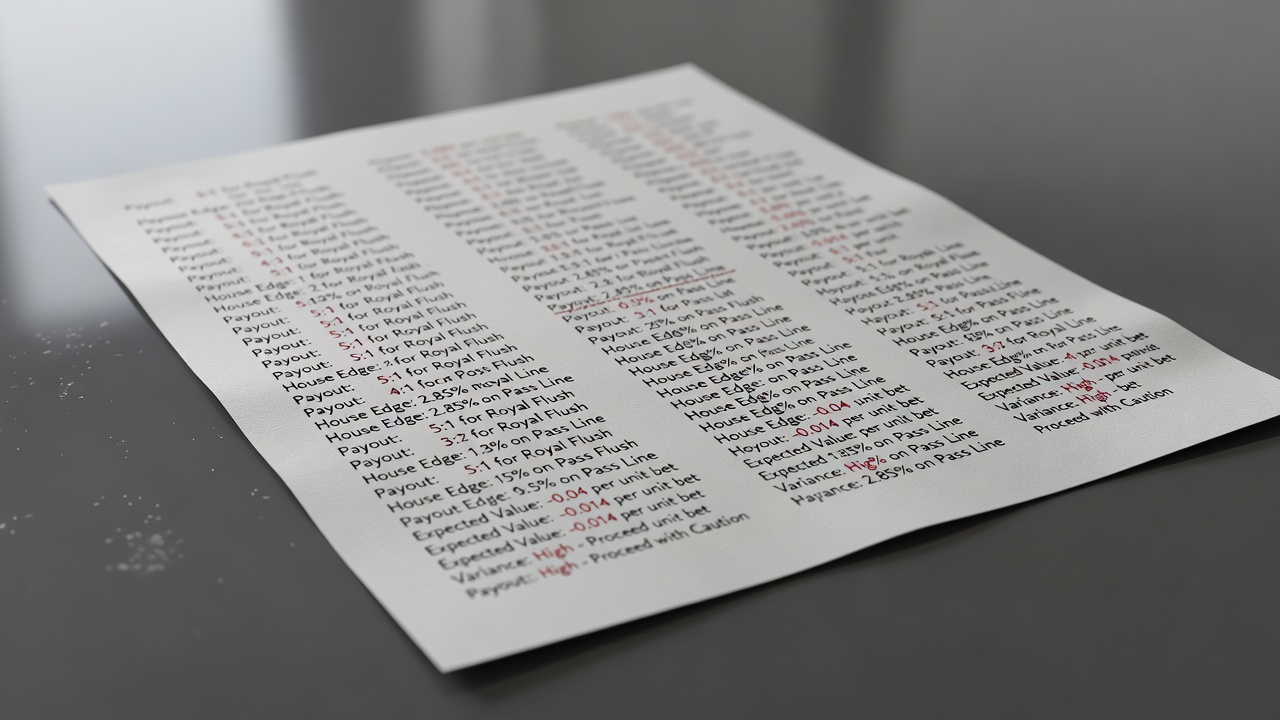
Tommy has finished in the money eighteen times over his tournament career. His biggest win was fourth place in a Caesars tournament in 2019, paying six hundred dollars. He has also spent nine thousand in entry fees to chase that feeling. He does not regret it, but he has learned to treat tournaments as entertainment, not income. The math is unforgiving: most players lose their entry fee. The house edge on the machine itself remains constant. A tournament simply compresses thirty minutes of expected loss into a faster-moving game where you can see yourself ranked against others.
The appeal is not hard to locate. You play alongside strangers who are cheering their own wins. The casino broadcasts the final leaderboard. Second-place finishers get checks. Third place goes home with something. And for the three or four hours you are in that lounge, you are not just playing a machine; you are competing. That difference in framing changes the entire experience. The same dollar amount leaving your pocket feels different when you have a score and a ranking to show for it.
Entry fees vary widely. A local casino in Sparks might run tournaments with thirty-dollar buy-ins and a two-thousand-dollar grand prize. The Venetian in Las Vegas runs monthly tournaments with five-hundred-dollar entry fees and prize pools exceeding fifty thousand dollars. Each casino publishes its tournament schedule weeks in advance. You can call the casino or check their website to find the next available bracket. Most casinos allow you to register in advance or walk up on the day of play, though high-stakes tournaments often fill weeks early.
The emotional weight is something first-time players do not anticipate. You are racing against the clock, visible to everyone, watching your score climb or stall in real time. Every spin matters because you cannot make it back tomorrow during your allotted time. This urgency creates a different kind of tension than regular play. You cannot afford to walk away for a drink. You cannot pause and reflect. The thirty minutes are relentless. Some players love this; others find it overwhelming.