
It was 2008 or 2009, sometime around there, and my mate Tom was running a shop in Hackney taking bets. Not legal bets, mind you. This was before online betting had swallowed the high street. You walked in, gave Tom your money in cash, he gave you a slip. Simple. And the problem he ran into, the thing that cost him thousands one summer, had to do with a customer named Ray.
Ray would come in with 200 quid. Put the whole thing on a parlay on horses. If he won, he'd want his money back. If he lost, well, the 200 was gone. But Ray lost more often than not, and on the odd time he won, he'd ask for it in a different form. "Give it me in chips instead." "Can you wire it to my brother?" "What if I put it toward credit instead?"
Tom would say no. Always no. And Ray would get upset, like Tom was being difficult. But what Ray didn't understand, and what Tom had learned the hard way through experience, was that once money changes form in a betting operation, you've created a nightmare of documentation and fraud risk that never stops multiplying.
The Paper Trail Problem
Online casinos run into exactly this with every single customer. It's not malice. It's mechanical necessity. The regulatory bodies (let's say the UK Gambling Commission, or MGA in Malta, or Curaçao eGaming licensing) require casinos to prove that money moved in is the same money that moved out, to the same person, in a verifiable chain.
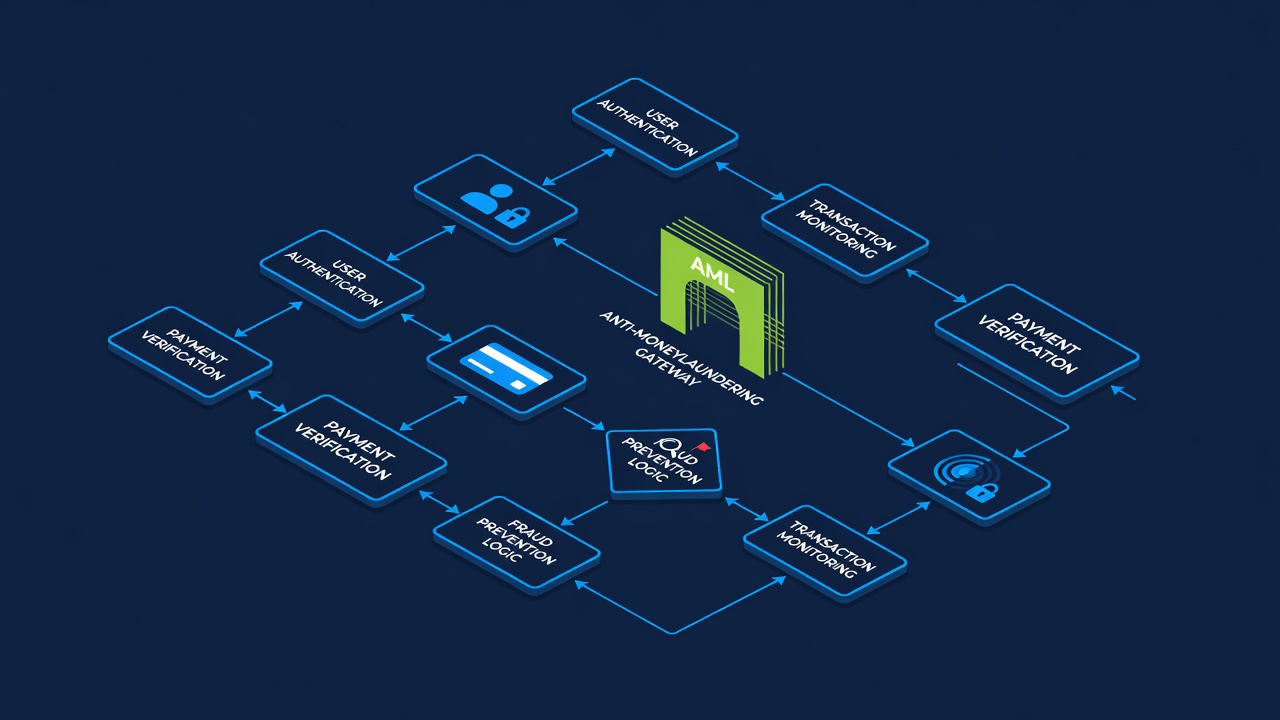
This is anti-money laundering, basically. You can't have a system where someone deposits 5,000 from a credit card, wins 8,000, and then withdraws 8,000 to a Bitcoin wallet. Or to a bank account in a different name. Or to a wire service that goes to a third party. The moment you allow that, you've created a mechanism for moving money around in ways that regulators can't trace.
I watched Tom deal with this. A customer deposited 500. Put it on a horse. Lost. Wanted his 200 back (he'd had 700 originally, carried 200 from the last bet). Wanted it in cash, not on a slip. Wanted Tom to just hand it over as a small loan and he'd repay it next week. Tom couldn't do it. The moment he converts the account balance into a different form than it came in, he's created a transaction his bookkeeper can't justify.
Multiply that by hundreds of customers a day, and you see why the policy exists. It's not a way to trap money. It's a way to keep the accounting clean enough that when regulators ask where the money went, you can say: "Here. Deposit form A was processed, account held funds, customer requested withdrawal to original payment method, all reconciled."
The Technical Requirement
For most modern casinos using platforms from providers like Pragmatic Play or other licensed software vendors, the withdrawal-to-original-payment-method rule is literally baked into the API. The system is designed to only permit withdrawals to the source of the deposit. It's not a policy decision. It's a technical constraint.
There are exceptions. Casinos that allow withdrawal to different payment methods (different credit card, bank account, even crypto wallets) are handling this through explicit additional verification. The customer has to prove they own the second payment method. They submit documentation. It creates work. It creates liability. Which is why most casinos that offer it charge a small fee and make you wait longer.
The original payment method works because it's automatically verified. Visa deposited the money. Visa knows the cardholder. Visa confirms the withdrawal. No intermediary steps. No fraud surface. This is why a customer who deposited via Bitcoin needs to withdraw to Bitcoin. A customer who used their spouse's credit card to deposit can't withdraw to their own account because the payment method was someone else's.
The Practical Reality
Tom eventually had to turn Ray away as a customer. The friction of the transactions, the regulatory exposure, the fact that Ray kept trying to find ways around the rule, made him a liability instead of revenue. This is what casinos are trying to avoid.
When a casino says "withdrawals go back to your original payment method," they're saying something deeper: "We've structured this so that money doesn't have to move except from your pocket to our system and back to your pocket. The fewer steps, the fewer ways fraud enters the picture."
Ray thought it was paranoia. It wasn't. It was the only way to keep a betting operation solvent in a regulated environment. Once you start allowing flexibility in how money moves, you've invited every kind of confusion, misdocumentation, and claim of theft. The rule protects the casino. It also protects the customer from getting tangled in a situation where their money can't be traced back to them.


