One might ask: what is a payline. Is it simply a line on the screen, or is it an agreement between the player and the machine about what constitutes winning. The ancient answer would be that it is a boundary, a demarcation between winning and losing. The modern answer is more complex.
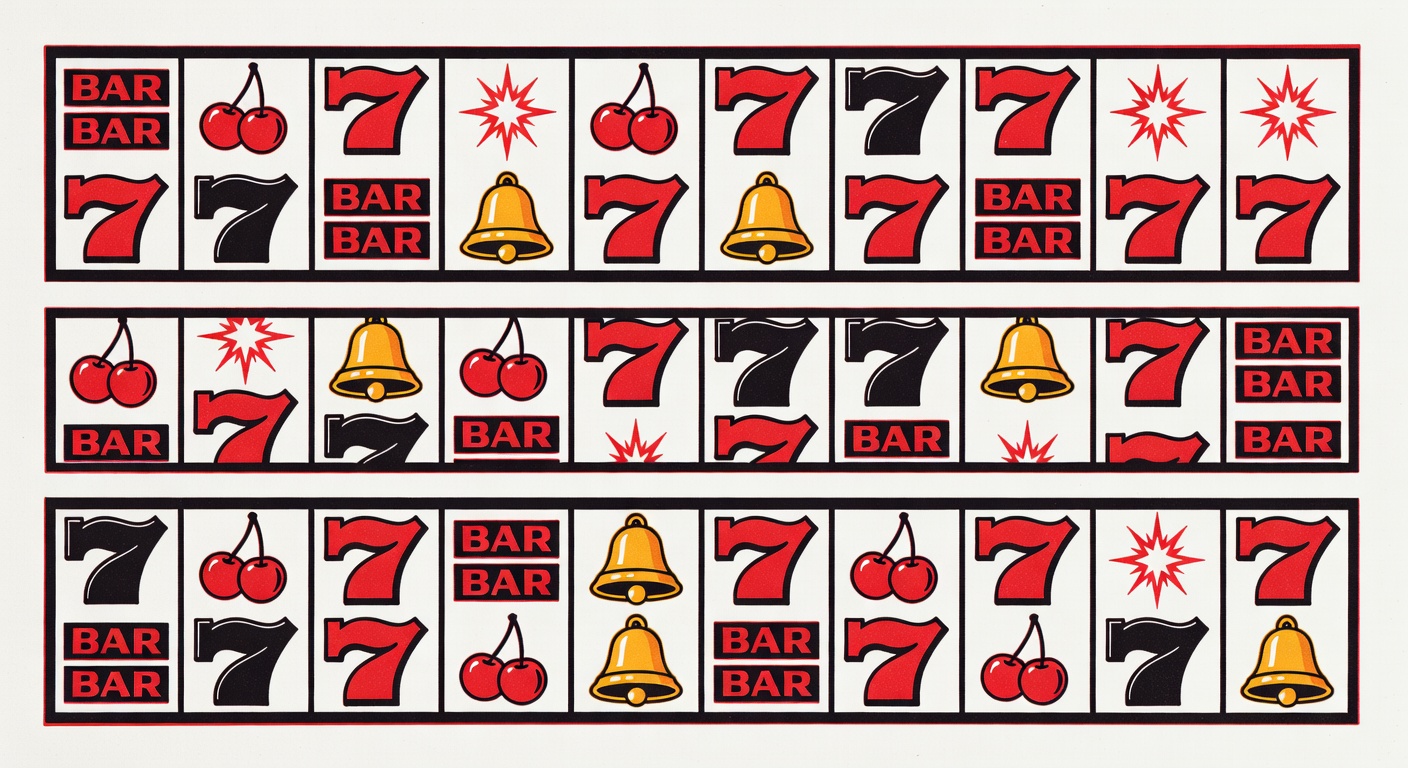
A payline in a traditional slot machine is a line, usually horizontal, that runs across the reels. If the symbols on that line match, you have won. A three-reel machine might have one payline. A modern five-reel machine might have dozens or hundreds of paylines. Each payline is an independent chance to win.
But here is where the philosophy becomes interesting: do all paylines exist equally. The answer is no. The paylines are weighted differently depending on how the machine is programmed. A payline might pay three times the winning combination of a different payline. Therefore, paylines are not equal. Some are more valuable than others.
This raises the question: what is fair. If the machine has one hundred paylines but only twenty-five of them pay decent money, is the machine fair. From a mathematical perspective, yes. The expected value accounts for all paylines. From a psychological perspective, perhaps not. The player sees one hundred paylines and imagines they have one hundred chances to win. In reality, only a fraction of those chances are valuable.
Ways to win is an alternative structure to paylines. Instead of specific lines, the machine pays if symbols appear in positions. The phrasing "243 ways to win" means there are 243 different possible symbol combinations that trigger a payout. This sounds generous. And mathematically, it might be. But the individual payouts are typically smaller because there are more ways to win. The house edge remains roughly the same.
Scatter symbols are distinct. A scatter symbol pays regardless of position. You get three scatter symbols anywhere on the reels and you trigger a bonus round or free spins. This is different from a line symbol, which requires specific positioning. Scatters feel generous because they are not constrained by position. But again, this is accounted for in the math. The appearance of scatters is weighted differently than other symbols.
What we might conclude: slot machines are games of chance that are structured to feel like games of skill. The paylines, the ways to win, the scatter symbols, these create the illusion of agency. You chose which paylines to bet. You are selecting your chances. In reality, the machine is determining the outcome. You are merely choosing how much to risk.
This is not a moral failing. This is the design. Slots are built to create the feeling of choice while removing the possibility of actual choice. The outcome is determined before the reels spin. The paylines are predetermined. The scatters cannot be made to appear through any action you take.
For the player who understands this: understand that paylines are marketing. The number of paylines is less important than the total return of the machine. Ways to win is less important than the actual payout structure. Scatter symbols are no different from any other symbol except in how they are programmed to appear.
This is a key insight worth remembering about the topic.
Understand what is being offered and what is being withheld. The machine offers the feeling of choice and variety. It withholds actual advantage. This is the bargain you make when you play.