Charles Fey did not think he was inventing the future. He was building a machine to keep paying customers entertained and the bar owner profitable.
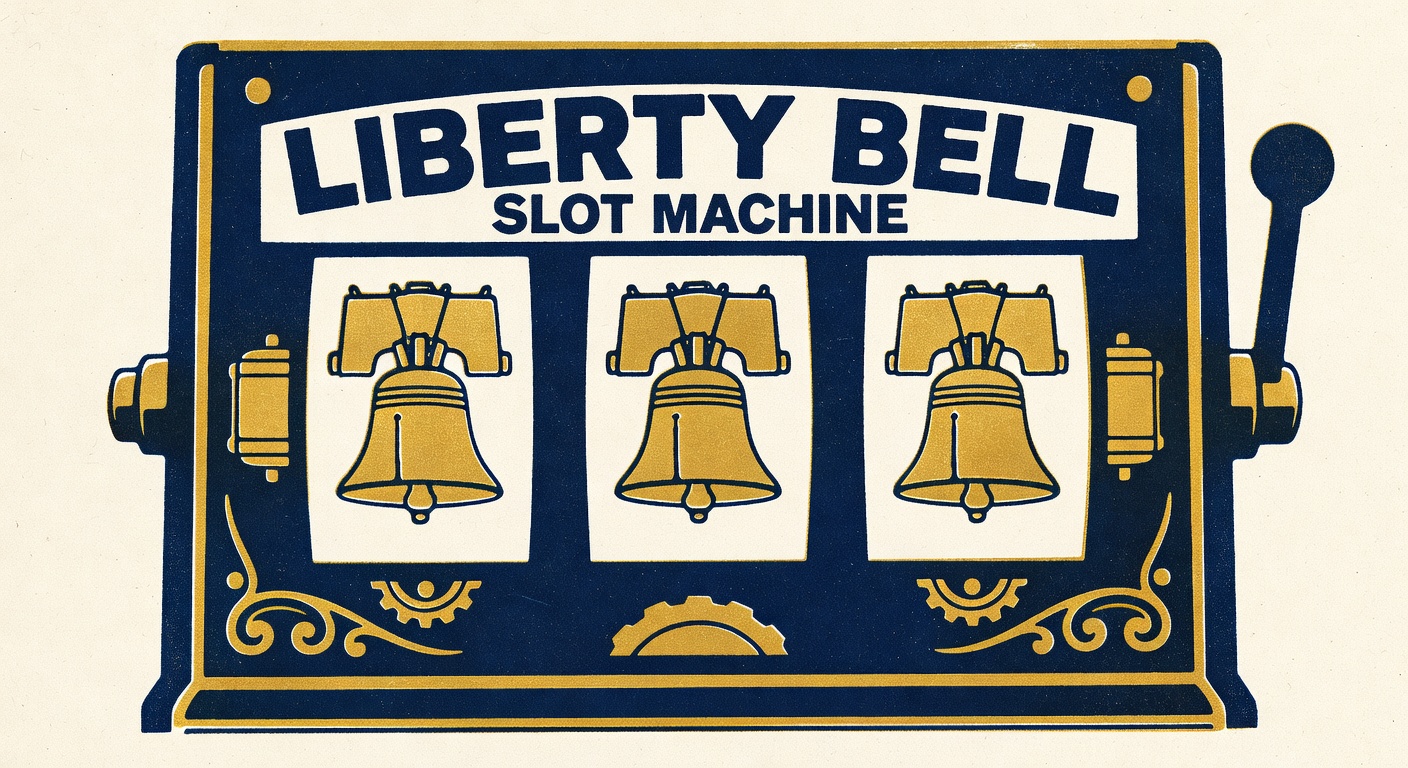
The Liberty Bell used three reels, each with symbols: horseshoes, diamonds, spades, hearts, and a Liberty Bell. When all three matched, the machine paid out automatically through a hopper that dropped coins.
Before Fey, machines existed that took coins but required the bar owner to pay winners manually. Fey automated the payout.
This was revolutionary. An owner could now place a machine in a bar and not be present for every payout. The machine handled it.
The Liberty Bell became so popular that Fey could not build them fast enough. Other manufacturers copied the design. By 1910, thousands of machines were in operation across America.
What Fey Built
The Liberty Bell was mechanical. Three spinning reels, mechanical stoppers, gears. Everything was deterministic. The outcome was based on where the reels stopped, which was based on when you pulled the handle.
This was important: mechanical machines could be understood. You could see the reels. You could watch the outcome. There was no hidden computer deciding you lost.
Modern slot machines are different. The outcome is determined by RNG. The reels are for show. But the principle Fey established remains: a machine that takes money, determines a winner probabilistically, and pays out automatically.
The Design
Fey's genius was mechanical elegance. The machine had to be reliable, simple to operate, and profitable for the owner.
Reliability meant the mechanism would not jam or break down from constant use. Simplicity meant anyone could understand it and operate it. Profitability meant the owner made money even when the machine paid out winners.
Fey achieved all three through careful mechanical design.
The Impact
Slots became the dominant form of gambling in America within thirty years of Fey's invention. Casino operators understood that slots required less skill from the player than table games and generated more consistent revenue.
Fey never became wealthy. He patented the machine but competitors copied it anyway. Patents were hard to enforce.
But he had built the foundation of a multi-billion-dollar industry that persists today in almost unchanged form: a machine that takes your money, spins reels, and pays out based on a random outcome.
The device is different now. The reels are digital. The RNG is computer-based. But the experience Fey designed is still there: insert money, pull handle or press button, watch reels, get paid or lose.
That cycle, invented by a San Francisco mechanic in 1894, still drives casinos today.
Modern Slots
Modern slot machines bear little resemblance to the Liberty Bell mechanically, but the principle Fey established persists: insert money, generate a random outcome, pay out based on that outcome.
Fey's machine was deterministic. The outcome was based on where the reels physically stopped, which was based on when you pulled the handle.
Modern machines use RNG. The outcome is determined before the reels spin. The reels are purely visual feedback.
But from a player perspective, the experience is unchanged. You put money in, you activate the game, you get a result, you receive a payout or lose your money. This cycle, 130 years old, is still how slots work.