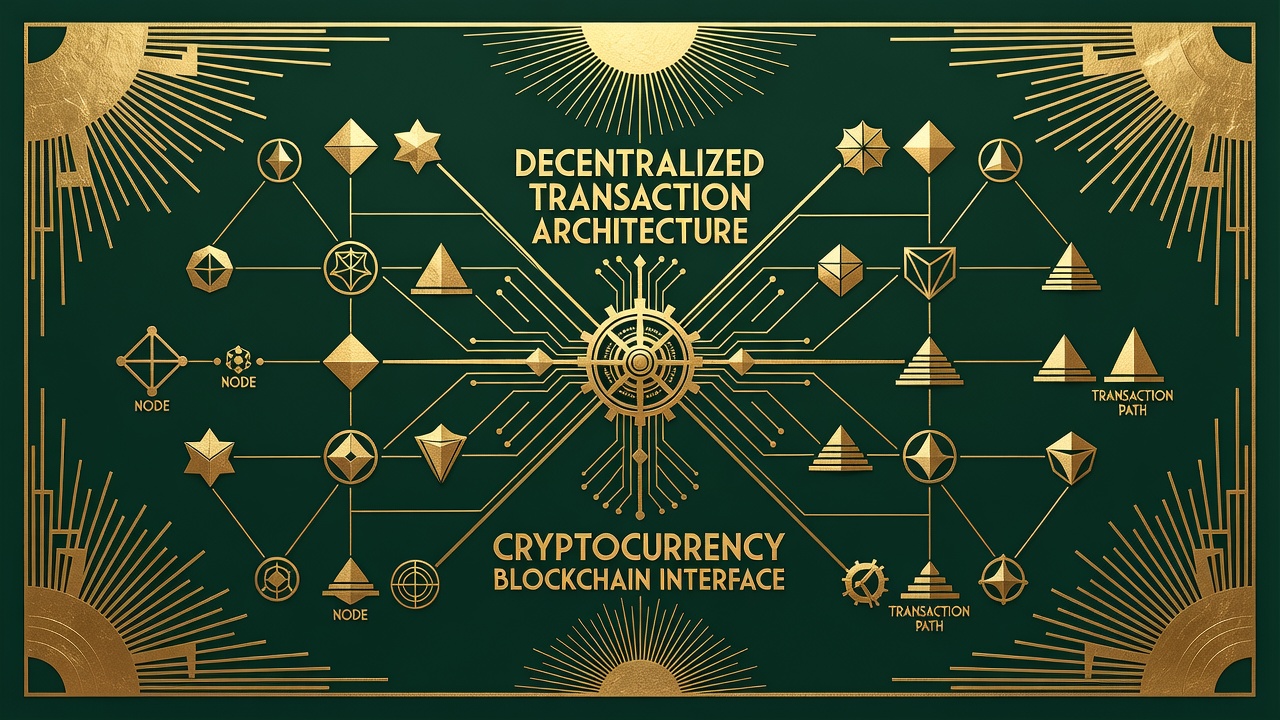
The Lightning Network is a second-layer protocol running on top of Bitcoin. Here's the mechanical description: You create a payment channel with the casino. You deposit Bitcoin into the channel. The channel records your balance. When you bet, the channel updates your balance. When you withdraw, you close the channel and retrieve your Bitcoin.
This solves the Bitcoin settlement problem. On-chain Bitcoin transactions take ten minutes minimum, often longer. They cost variable fees. They're inefficient for casinos that process thousands of bets per second. Lightning compresses thousands of transactions into a single on-chain anchor point. The transactions happen instantly. The fees are near-zero.
First: why the casino wants this. Payment processing at scale is expensive. A traditional casino using credit cards pays roughly 2 to 3 percent in processing fees. Bitcoin on-chain is slower but maybe 0.5 percent per transaction (in fees). Lightning is 0.001 percent. The efficiency is massive.
Second: why this matters to players. A deposit on Lightning arrives instantly. You can be betting within thirty seconds of sending the coin. A withdrawal is similarly fast. No waiting for confirmation blocks. No payment processor delays. The speed is genuine.
The Trade-Off
Lightning transactions are not final on the blockchain until you close the channel. While the channel is open, the transaction is only final in the channel's consensus. If the casino disappears (or if you disappear) while the channel is open, there's a 24-hour lockup period before you can force-close the channel on-chain and recover your funds.
This is not theoretical risk. It means you're trusting the casino to not run away while your channel is active. For a large casino with reputation at stake (Stake, Rollbit, other established platforms), this risk is minimal. For a small crypto casino, this is material risk.
Second trade-off: Lightning is not trustless in the way Bitcoin itself is. When you open a channel, you're creating a direct relationship with that specific casino. Only you and the casino can settle the channel. If there's a dispute, the casino has practical control over resolution (they can withhold your closing signature). You could force-close on-chain, but the process takes time and cost.
The Actual Advantage
The advantage is speed and cost for both parties. A casino running on Lightning can offer instant payouts, which is a competitive differentiator. A player can deposit and begin playing within seconds, which is better UX than traditional casinos.
For micro-deposit casinos (betting units of 1 to 10 dollars), Lightning becomes the only economically viable payment system. The fees on traditional payment processors would consume the margins.
What It Doesn't Do
Lightning doesn't make casinos honest. A dishonest casino on Lightning is still dishonest. The speed is an advantage for the casino (they can take your money instantly) as much as for the player (who can withdraw instantly if the casino lets them).
Lightning doesn't eliminate custody risk. You're still trusting the casino with your coins while the channel is open.
Lightning doesn't replace on-chain Bitcoin verification. It's a layer on top. If the Lightning service goes down, you need a backup way to access your funds. Trustworthy implementations allow force-closure (on-chain recovery). Untrustworthy ones don't.
The Technical Consideration
For the player: using Lightning at a casino is low-risk if you're confident in the casino's solvency and legitimacy. You're not taking on technical risk (the implementation is mature, the protocol is audited). You're taking on operational risk (will the casino honor the channel closeout?)
For a new player at an unknown casino, avoiding Lightning and using a traditional payment method (card, bank transfer to a regulated operator) is the safer choice. Established casinos on Lightning (with years of history and public identity) are lower-risk.
The choice is about trade-offs: instant settlement and low fees versus reduced counterparty risk and better recourse if something goes wrong. Lightning wins on speed. Regulated fiat casinos win on consumer protection.