In December 1999, Cynthia Jay-Brennan walked into a casino in Las Vegas and played a slot machine. She hit a progressive jackpot worth $34.9 million. This was the largest single slot machine win in history at the time. She was thirty-seven years old. She had just won more money than most people make in a hundred lifetimes.
What happened next is what interests me about this story. Not the winning. The aftermath.
First, she paid taxes on the winnings. That is roughly $20 million gone immediately. Then she started spending. She bought cars. She bought a house. She gave money to family members. This is normal. This is what people do with sudden wealth.
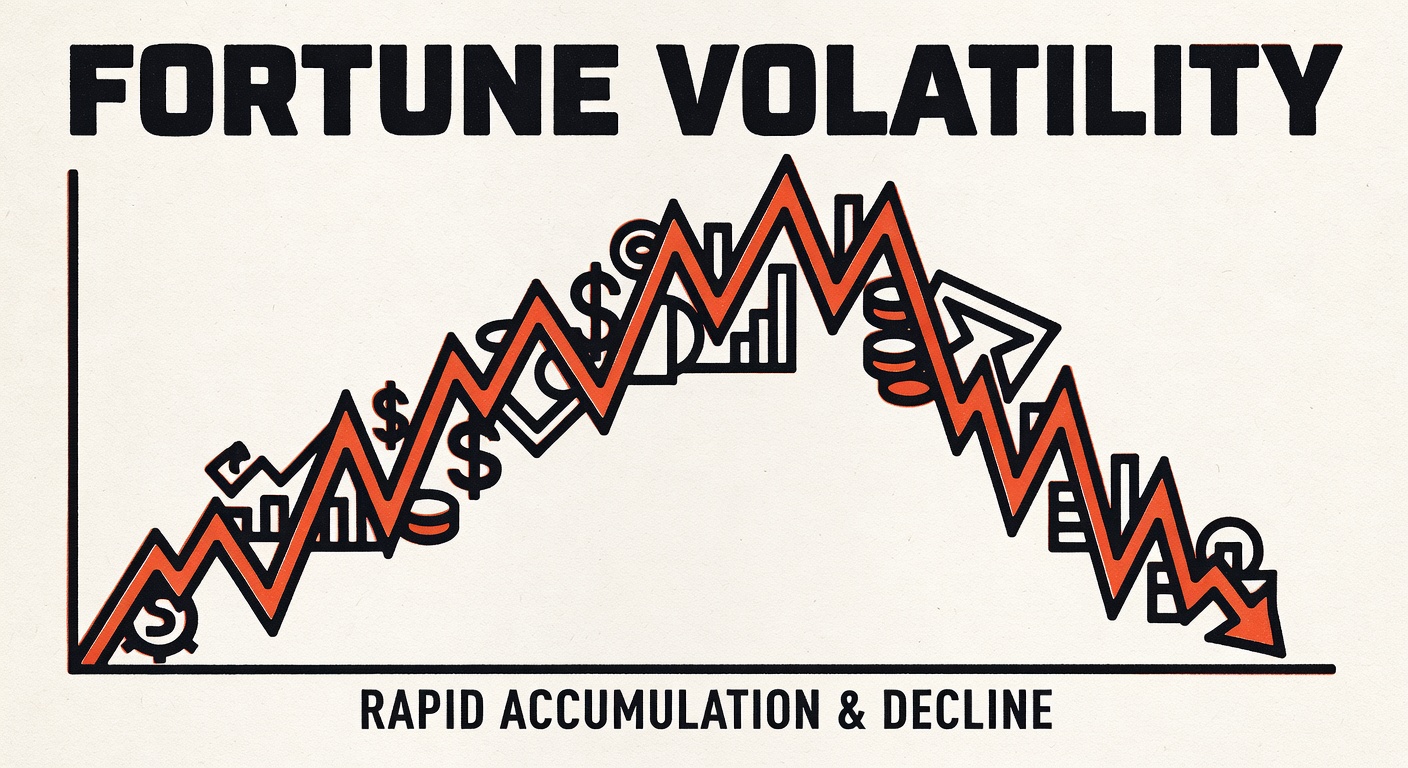
But then she started getting sick. In 2001, she was shot and paralyzed by a gunman. The shooting left her a paraplegic. She had won $34.9 million and two years later she could not walk. Then her ex-boyfriend murdered someone in front of her. Then she had a stroke. Then her brother got into a car accident and died.
Why am I telling you this. Because Cynthia Jay-Brennan is the perfect example of why I have always believed that sudden massive wealth is not a gift. It is a weight. The money did not improve her life. The money ended up being a liability.
Now, before you think I am being cruel or making a psychological claim I cannot support: I am not saying the money caused these problems. I am saying the sudden abundance of money created visibility. It created a target. It created complicated family dynamics. It created expectations. When you have $34.9 million, people treat you differently. They hunt you. They want things from you.
From a bankroll management perspective, Cynthia Jay-Brennan had everything. She had a huge base. She could have invested conservatively and lived off the returns for the rest of her life. She could have bought one house and lived comfortably. Instead, she spent the money in ways that created exposure and visibility.
The lesson for someone who has won big money at a casino: assume the money is a liability, not an asset. The money itself is inert. What matters is what you do with it. If you take the money and spend it on things that draw attention, you are creating risk. If you take the money and invest it conservatively, you are building a future. If you take the money and give it away to people who did not ask for it, you are creating complicated relationships.
Cynthia Jay-Brennan won $34.9 million and it did not make her happy. It did not make her safe. It made her a target. This is not a unique story. Big lottery winners often end up in worse situations than they started. Some people are destroyed by the money. Some people just get unlucky. But the pattern is clear enough that you should understand it when you walk into a casino.
The broader context matters because it explains why these things work the way they do. History provides perspective. Understanding history prevents repeating mistakes.
This principle applies more broadly than many people realize.