There's a thing that happens when you work the pit long enough. You stop seeing anything as purely chance-based. You see them as conversations between house and patron, and after twenty years of listening, you learn to hear what people are actually saying.
I was working the Luxor in 2009 when Dream Catcher showed up on the Evolution screens. Not the product yet, just the concept floating around the floor. Compact live wheel, straightforward mechanics, rotations every few seconds. Nothing earth-shattering. The pit managers were skeptical. We'd seen plenty of gimmicks come and disappear.
But something was distinct about this offering.
What Ensured Its Success
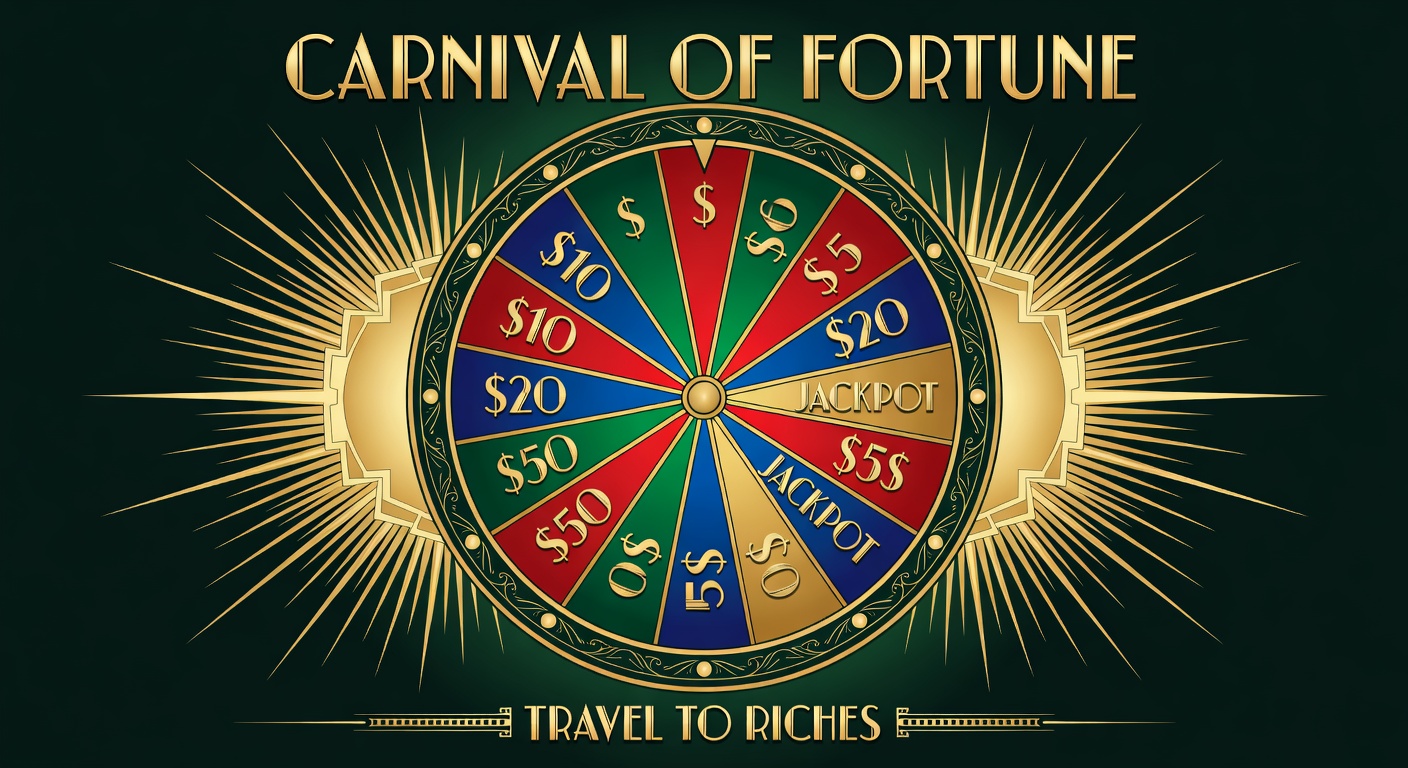
The wheel sits there on camera. No decks to shuffle, no table to manage, no elaborate rules that require advanced degrees. A croupier spins. Dollar amounts illuminate. Victory or loss arrives in moments. That accessibility proved to be its strength.
Patrons adored it because learning was unnecessary. You didn't require knowledge of basic strategy like in blackjack. You didn't have to monitor the shoe in baccarat. You just observed the wheel and picked an amount. The establishment enjoyed it because profit margins were attractive and velocity was fast. Quick action means expanded volume. Expanded volume translates to increased revenue. That's elementary.
By 2015, practically every significant iGaming platform had a Dream Catcher table. We observed them transition from physical studios to digital networks. British providers embraced it initially. Then continental operators. Then worldwide adoption.
The offering demonstrated something crucial. Participants desired quickness and accessibility beyond difficulty or implied expertise. This wasn't regarding decision-making or analysis. This centered on entertainment, showmanship, and immediate outcome observation.
How It Reshaped Live Gambling
Before Dream Catcher became universal, live gaming was essentially transferring traditional table formats. Roulette, baccarat, blackjack, poker derivatives. You took established models from the floor and broadcast them. Finances worked. Patrons liked communicating with actual people instead of algorithms.
Then Dream Catcher arrived and demonstrated you could manufacture something entirely fresh specifically for broadcast. You could eliminate everything requiring physical infrastructure or procedural overhead. You could architect for distance-based participants instead of modifying floor-based recreation.
That created possibilities. Following Dream Catcher's success, platforms initiated distributing entirely-new offerings that couldn't function in physical venues. Products designed around streaming, not rooms.
We observed this happen with Crazy Time. Lightning Roulette. Mega Ball. Each absorbed Dream Catcher's DNA: uncomplicated regulations, visual elements, immediate finality.
Money Wheel Mechanics: Foundation
The actual ingenuity lies in allocation architecture. You've got distinct areas on the wheel. Certain zones appear often with smaller returns. Others emerge rarely with substantial returns. Calculations align flawlessly. House advantage maintains equilibrium. Participants attain sufficient victories to experience engagement, yet insufficient accumulation to depart enriched.
The wheel normally contains 54 positions. Twenty-three positions yield 1x payout. Sixteen deliver 2x. Eight provide 5x. Five grant 10x. Two supply 20x. Single awards 40x. That composition is everything. It guarantees every fifth rotation feels productive, yet 40x almost never materializes. Participants concentrate on 20x disproportionately. That's behavioral, not algorithmic.
The RNG (algorithmic number generator) computes the outcome instantaneously. The wheel rotation is exclusively animation. That's reality most participants don't recognize, yet it's significant. The operation isn't waiting for actual physics. It's displaying predetermined outcomes. That distinction appears meaningless legally yet remains invisible practically. Participants observe the wheel determining their situation.
Why Operators Standardized It
Providers discovered that Dream Catcher addressed challenges they hadn't recognized. Standard formats demanded reliability. Personnel needed identical preparation across territories, matching procedures, consistent policies. Training mandates multiplied. Supervision expanded.
Dynamic wheels? Functioned distinctly. You operated Dream Catcher via a production facility in Cyprus with rotating dealers. Mechanics stayed constant. Workers became substitutable. Consistency generated profitability. Consistency enabled expansion.
Minimum stakes stayed small. Under one dollar on countless networks. Affordability attracted participants unfamiliar with conventional gaming. Individuals with restricted funds. Participants craving entertainment without layers. They weren't pursuing advantage methods or optimization manuals. They desired placing stakes and witnessing conclusions within seconds.
Evolution understood fundamentally: future interactive gambling wasn't reconstructing actual-world participation. It meant producing amusement explicitly for solitary online participants. Dream Catcher triumphed because it honored that context rather than contradicting it.
I've departed the pit currently. Yet I monitor data. Dream Catcher persistently positions among top-five offerings across European and British networks. Communities invest billions annually. An offering nonexistent in 2009 anchors contemporary iGaming.
Not due to superiority against blackjack or roulette. Because it was engineered for a distinct historical intersection, and it perfected something fundamental regarding participant desires when solo at home examining entertainment. Occasionally the plainest choice remains the enduring choice.