The Problem
Online live dealer gaming was not new when Evolution started. Microgaming had live tables. Playtech had them. But these were centralized operations: one studio, one feed, limited games. The player logs in, sees a single camera angle, plays one hand per 60 seconds. Throughput was limited. Revenue was limited.
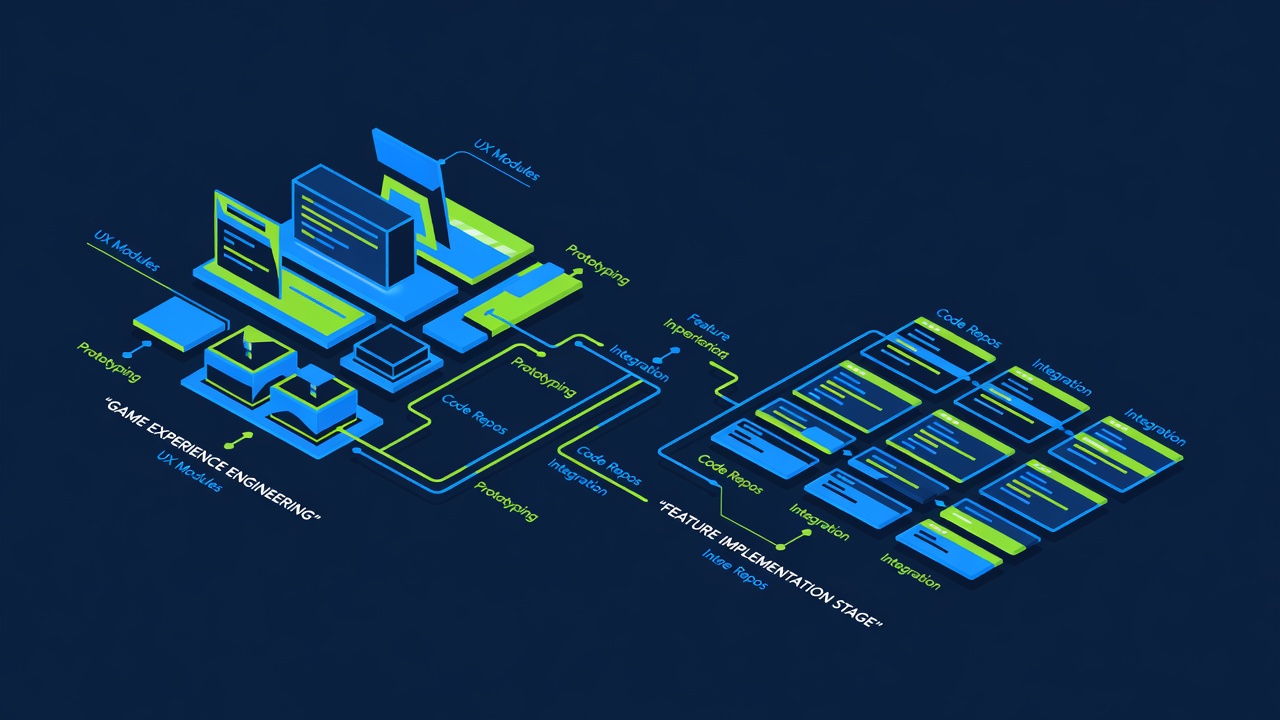
Evolution changed the model. They built multiple studios (Manila, Cyprus, Latvia, Georgia, Malta), each with dozens of tables. They increased throughput. They let players switch tables in seconds. They brought the scale problem to the foreground: how do you manage the integrity of dozens of simultaneous games across multiple locations?
The existing operators (Microgaming, Playtech) were built on legacy surveillance systems. Adding new tables meant retrofitting camera installations, adding dealers, re-certifying RNG systems. Slow. Expensive. Evolution built it from scratch to scale.
The Security Architecture
When I ran surveillance, we watched three things: the cards, the dealer, the player (via chat and betting patterns). A professional cheating team exploits gaps in one of these channels.
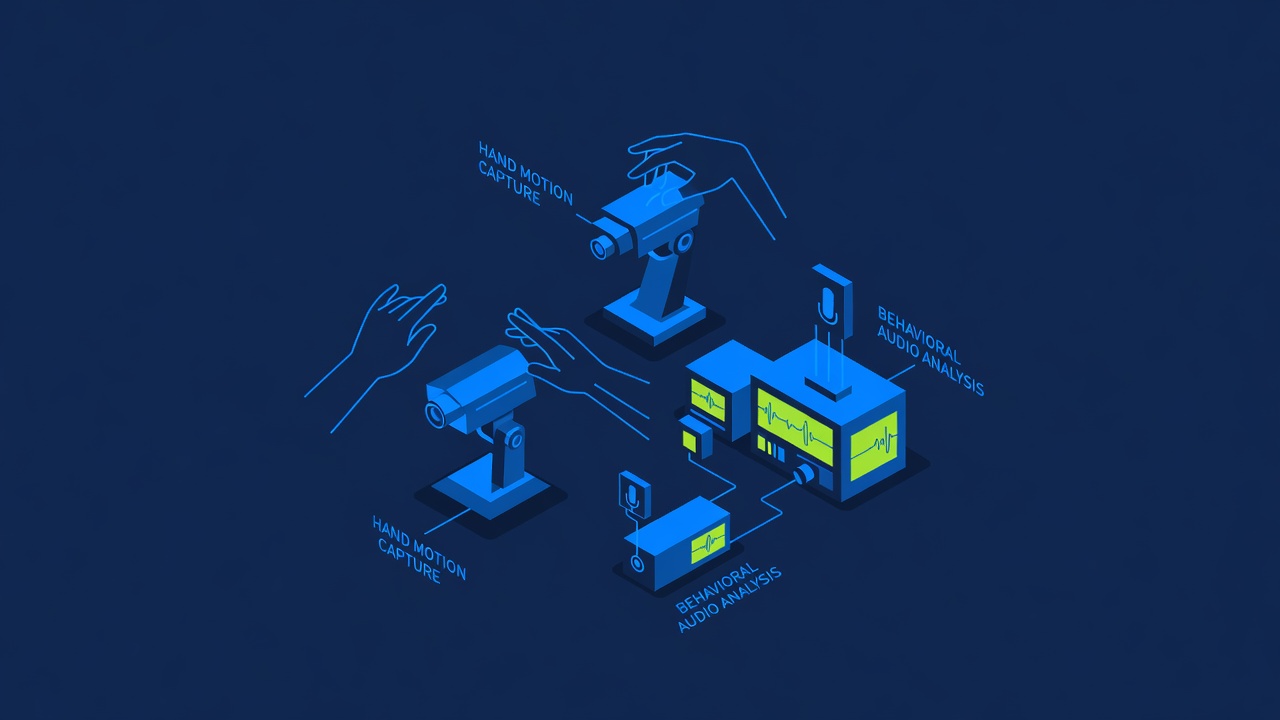
Evolution's innovation was not a new cheating prevention method. It was integration: every camera, every dealer action, every bet is logged with microsecond precision and cross-checked. If a dealer's hand position does not match the card dealt (visible on camera), it flags. If a player logs in from two countries simultaneously, it flags. If a table's RNG produces an unexpected distribution across 10,000 hands, it flags.
No single system was revolutionary. The combination was. They hired people who understood surveillance, not just software engineers. That difference matters.
The Regulatory Approval
Regulators (MGA, UKGC, DJSE) were skeptical of online live dealer at scale. How could they verify integrity across multiple locations? Evolution hired compliance officers from casinos and licensed operators. They invited regulators to observe studios. They published third-party audit reports. They made themselves verifiable.
Competitors tried. Playtech published audit reports. But Evolution's reports came earlier and more frequently. They were transparent about RNG testing and dealer training. That transparency was competitive advantage disguised as good governance.
The Talent Acquisition
Evolution hired croupiers from real casinos. Experienced dealers who knew how to handle chip security, how to prevent collusion, how to manage the psychology of high-stakes play. Other software companies hired croupiers who looked good on camera. Evolution hired croupiers who could read a table and prevent fraud.
They also hired former regulators, former casino managers, and security consultants. The company's org chart included people who had worked for the other side (government gaming control boards). This matters in the gambling industry. Trust flows through personal networks.
The Scaling Problem
By 2015, Evolution was running 500+ tables simultaneously. By 2020, 1,500+. No previous operator had managed that scale. Microgaming maxed out at 40 tables. Playtech at 80. Evolution broke through because they solved the logistical problem (infrastructure) and the trust problem (surveillance and audit) in parallel.
The scaling also benefited from technology that was not available earlier. HD video codecs that could stream multiple camera angles in real time. Blockchain for some operators (allowing immutable transaction logs). AI-based card recognition systems to detect tampering.
Why Others Couldn't Catch Up
Once Evolution achieved market share, they had data. They knew player preferences, dealer styles, table utilization. They could optimize game selection and studio location in ways competitors couldn't. A new entrant would have to build comparable infrastructure, hire comparable talent, and accept years of losses before reaching profitability.
The moat was not technology. It was operational complexity and trust.
The Current Reality
Evolution now owns approximately 60% of the live dealer market. Pragmatic Play is second, far behind. This is not unusual in software infrastructure. The leader locks in dominance through network effects and trust.
From a surveillance perspective, Evolution's level of integration is nearly impossible to compete with. They log, correlate, and analyze in real time. An entrant would have to match that infrastructure immediately, not build it gradually. The cost is prohibitive.