The Technical Baseline
Evolution Games publishes system requirements for their live dealer platform. For HD stream (most games): 3 Mbps minimum for stable play. For 4K stream (available on certain games): 15 Mbps minimum. For multi-angle viewing (available on certain live dealer games): 6-8 Mbps additional per angle.
These are minimums, not ideals. At exactly 3 Mbps, you will experience occasional buffering, especially if other devices are using the network.
The bandwidth is divided between video stream and game data. The video carries the live feed from the studio (HD video is roughly 2-3 Mbps). The game data (your bets, the dealer's actions, payout information) uses roughly 0.5-1 Mbps. Total: 3-4 Mbps for stable play.
The Reality of Home Networks
Your internet speed test (speedtest.net) measures download speed to an unloaded server. Your actual usable bandwidth is lower. Other devices on your network (phones, smart TVs, computers) are consuming bandwidth simultaneously. Your upload speed (typically half to a quarter of download speed) matters for live dealer because bet data must be transmitted to the server.
A household with 50 Mbps download speed does not have 50 Mbps available for live dealer. If three devices are using the network, your effective bandwidth to the casino might be 10-15 Mbps. This is sufficient for live dealer, but not with margin for error.
The Mobile Problem
5G networks theoretically deliver 100+ Mbps. 4G (LTE) delivers 10-30 Mbps. But these are theoretical maximums, not sustained rates. A 4G connection in a crowded area (downtown, airport, stadium) will often drop to 2-5 Mbps when stressed.
Playing live dealer on 4G outside of a quiet location is risky. If your connection drops while a hand is in progress, the casino will wait 5-10 seconds before removing your bet and continuing the hand. You will lose your money if the connection doesn't restore in time.
The Latency Problem
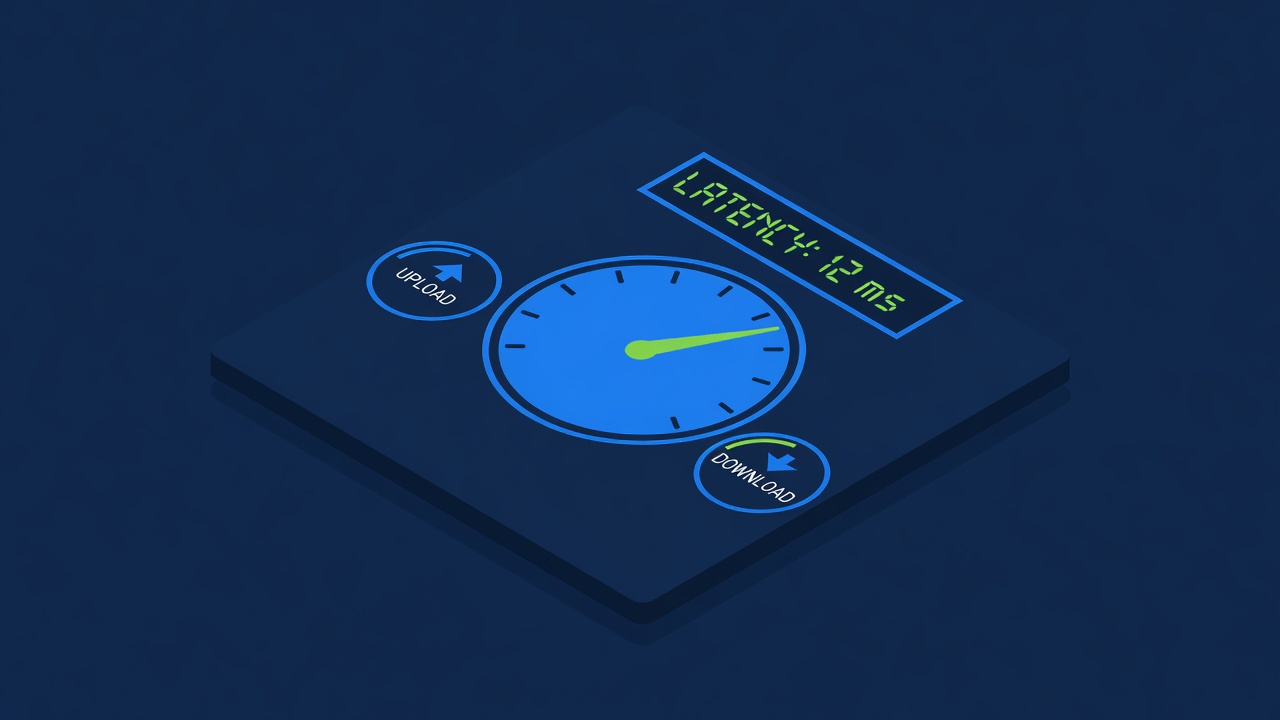
Speed (bandwidth) and latency (delay) are different. A 50 Mbps connection with 200ms latency is worse than a 5 Mbps connection with 30ms latency, for live dealer purposes.
Latency matters because live dealer requires real-time interaction. You click "hit" and the dealer must receive your bet before the hand progresses. High latency means your input is delayed, and you might miss action.
Wifi connections typically have 30-50ms latency. Cellular connections have 50-100ms. Older routers and older network protocols (wifi 4, not wifi 6) have higher latency.
Your internet service provider (ISP) provides you with latency information. Check your speedtest.net results: latency is listed as "ping." For live dealer, 100ms is acceptable. 200ms is risky. 300ms+ is unreliable.
The Best Setup
Wired connection (ethernet cable from your modem to your computer) provides the lowest latency and most stable bandwidth. Wifi 6 router, modern device, 2.4 GHz band (longer range than 5 GHz, more reliable), located within 15 feet of the router. Internet speed: 10+ Mbps download, 2+ Mbps upload, latency under 50ms.
Contingency Planning
If your connection drops during a hand, the casino will either void the hand (you lose your bet) or continue the hand without your input (you auto-stand or auto-hit depending on house rules). Check your operator's policy before playing. Some operators are forgiving (they reverse bets if your connection drops). Others are not.
Having a backup plan (mobile hotspot on a different network, or a second broadband provider) is wise if you play frequently. If your primary connection fails, switch to backup and rejoin the game.
Live dealer is technically demanding. Treat it like a video call, not like watching Netflix. Use a wired connection when possible, and monitor your speed before starting.