Floyd Mayweather: Inside the Boxer's Massive Sports Betting Slips
One encounters, in the careful observation of high-limit betting rooms, a certain pattern of behavior that distinguishes the man of accumulated wealth from the man in pursuit of it. The former bets with the indifference of someone spending pocket money. The latter bets with the focus of someone trying to earn it.
A fighter of considerable repute, whose record in the ring achieved something approaching universality in recognition, has been documented by various outlets as maintaining a betting practice of extraordinary scale. The gentleman in question, known to some as the Man in Black for his customary attire at public events, placed a wager of two million dollars on an automotive challenge broadcast in February of 2023. This was not his principal activity. It was decoration.
What constitutes a serious betting slip, in the parlance of the high-limit rooms, is a vehicle for capital allocation according to a thesis. A wager of one hundred thousand dollars on a single match outcome is, at that scale, a statement of conviction. The man in question placed such statements regularly, according to reporting from ESPN and other tracking outlets that follow the betting markets with the attentiveness of meteorologists watching a storm.
The slip, in technical terms, is the paper record of the wager: date, event, selection, odds, amount staked. In the case of our fighter, the slips accumulated into what some publications reported as accumulating totals across multiple years.
The Architecture of Display
What is worth observing is the choice of display. A man of genuine wealth need not advertise his bets, yet this particular champion chose to photograph his betting slips and distribute them through social channels. In 2015, during the lead-up to a certain famous match, he posted images of betting slips totaling nineteen million dollars wagered on his own victory. The return, had the victory materialized as wagered, would have approached thirty million dollars. This was not income generation. This was affirmation.
The practice reveals something about the psychological architecture of gambling at scale. The stake is no longer the point. The stake is the medium through which a statement is made. A two-million-dollar wager on a sporting event is, for someone whose annual earnings have reached nine figures, roughly equivalent to a middle-class bettor wagering forty dollars.
Yet the seriousness with which it is approached does not diminish accordingly. Each slip receives attention. Each prediction is articulated clearly. This suggests that what is being wagered is not solely capital but some form of judgment, prestige, or forecast authority.
A Study in Variance
The record of the man in question's betting outcomes contains both significant victories and notable losses. In 2017, extensive reporting suggested certain wagers placed had underperformed projections. A high-limit room attendant, speaking off the record, noted that even at those scales, the emotional texture of a losing session has particular properties. The bankroll of ten million dollars is materially different from ten thousand, but the disappointment of losing money at odds one believed favorable does not scale proportionally downward with wealth.
The notable characteristic of documented betting slips from this period reveals a preference for heavy favorites. In some reported slips, the odds ranged from -140 to -200, meaning a bettor was risking one dollar forty to two hundred cents to win one hundred cents. The logic is clear: the probability is high. The win is certain, relative. But the scale of the wager must therefore be immense to generate meaningful returns.
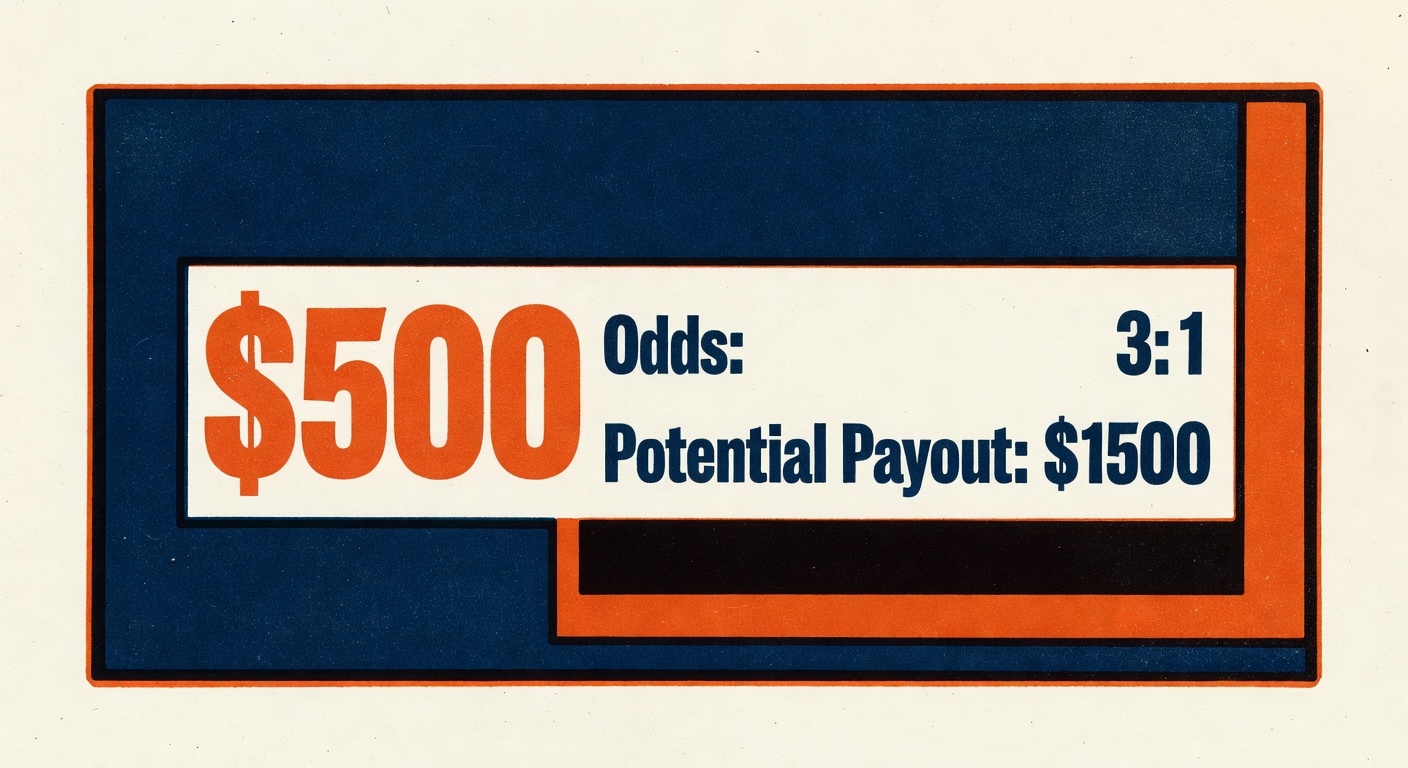
One publicized bet involved twenty million dollars at -110 odds, a typical sports book price, on a football match. The potential return, had it materialized, would have been approximately 18 million dollars in profit. The documented outcome was a loss. This particular slip circulated widely because the amount transcended the usual categories of betting discourse and entered the realm of spectacle.
The Parallel Economies
What the slips document is not a single betting operation but rather an entire parallel economy within the entertainment and sports world. The man's choices, made public, alter market sentiment. Certain sportsbooks track his wagers because they have become information in themselves. If he wagers heavily on one outcome, recreational bettors observe this and adjust their own bets accordingly. Some rooms offered him personal accounts with enhanced odds, treating the privilege of his action as a marketing asset.
The scale of these operations falls outside the experience of the typical casino patron. A slip of two million dollars sits entirely in different category from a five-thousand-dollar overnight loss. The decisions operate at different scales. The venues that accommodate such wagers are staffed with specialists in high-limit play. The odds offered can be negotiated. The credit terms are personal.
In the observation of these slips, one notes finally that they represent wagers placed from a position of such profound capital advantage that the outcome of any single bet cannot meaningfully alter the underlying financial position. This freedom from material consequence allows a certain philosophy of betting to emerge: the bet as expression, as forecast, as public statement of confidence.