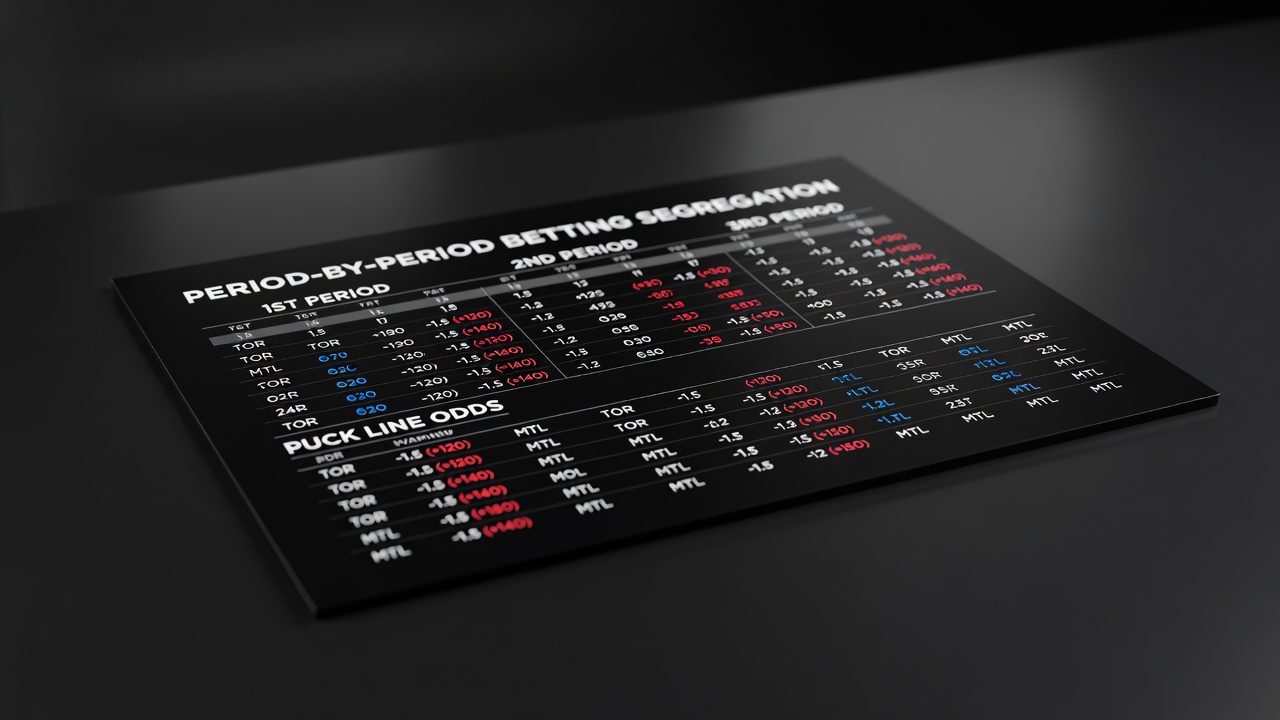
Hockey presents the bettor with four primary wager structures: moneyline, point spread (the puck line), totals, and period-specific bets. Each requires slightly different probability calculations and reveals different market inefficiencies.
The puck line works differently from the traditional point spread in other sports. A puck line is always 1.5 goals: a -1.5 favorite must win by two or more goals, while a +1.5 underdog can lose by exactly one goal and the bettor wins. The moneyline odds adjust to reflect this. A team priced at -110 to win straight-up might be -150 on the -1.5 puck line, because covering an additional goal margin requires predictive confidence the market is reluctant to grant. Therefore, a -1.5 favorite at -150 offers less expected value than the same team at -110 moneyline if you believe that team will win, because you are paying more for less likely coverage.
The Statistical Reality of Over-Unders
Hockey totals (over-unders) cluster around 5.5 to 6.5 goals per game in the modern NHL. This is the output of two opposing forces: goaltending has improved, which suppresses scoring; but zone-entry strategies have accelerated, which increases shot volume and quality. The result is stasis at approximately 5.8 goals per game league-wide. Yet the market prices totals as if variance is lower than it actually is. Three-goal swings in NHL games happen roughly 12 percent of the time. The market underpays for that tail risk on both sides of a total. A total of 6 at even odds should be slightly favored to the over, not reflective of 50-50 probability.
Period bets operate on compressed data and higher volatility. The first period in the NHL averages 2.1 goals. The market often prices first-period totals as if that distribution is symmetrical, when in fact it is right-skewed: many games produce one or zero first-period goals, while a small number explode to four or five. This creates moments when a first-period over at +110 is genuinely underpriced if you model the distribution correctly.
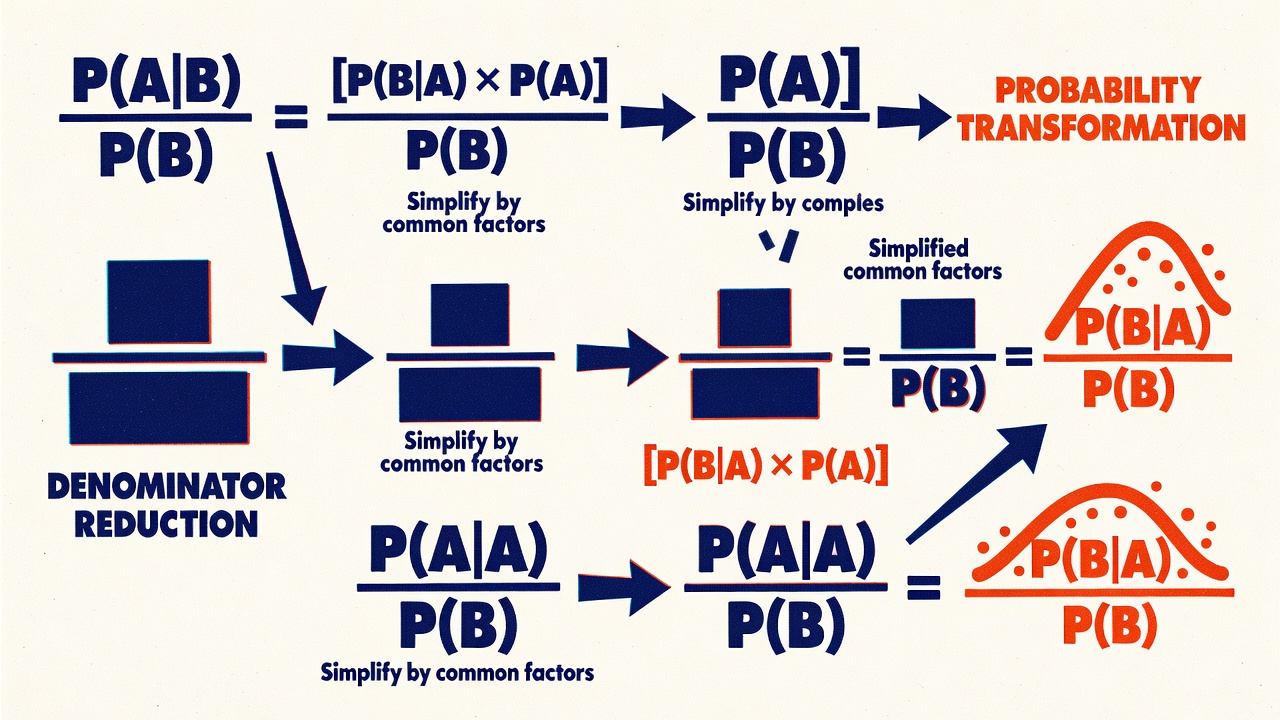
The most consequential error beginners make is assuming market prices reflect true probability. They do not. Market prices reflect aggregate opinion, which is subject to systematic biases. Recreational bettors overweight recent performance and underweight regression to the mean. Professional sportsbooks account for this and shade their lines accordingly. Therefore, a team that won three straight games by large margins returns worse expected value than a team that lost three straight but possesses superior underlying metrics. Probability is not recency; it is a property of the system itself.
To the second point: period bets reward patience. The first period is heavily bet by recreational players who want immediate gratification. Professional bettors often focus on second and third periods, where the market is less efficient because fewer people are watching and fewer still are wagering. A third-period total at a live casino during a close game may be significantly mispriced because it contains information about the game state that the opening lines did not possess. You have observed the teams in action. You know their personnel usage. You have seen which players are effective on this particular evening. The initial line was set in aggregate before this information was available.
Variance is the final mathematical fact worth internalizing. A correctly priced bet with an expected return of four percent will lose money most of the time. You need sufficient sample size and sufficient bankroll to weather the inevitable downswings. A hockey bettor who places ten bets of equal size on equally favorable opportunities should expect to win perhaps six or seven and lose three or four. The temptation during the losing period is to increase bet size or chase with worse bets. Every professional bettor who has survived more than five years carries scars from periods when they broke their own rules. The math works if you persist. The math does not work if variance kills your bankroll before your edge asserts itself.