The Malta Gaming Authority emerged from specific legislation in 1999 when Malta passed its first gaming law. This was not inevitable. At that time, most jurisdictions either banned online gambling or treated it with deep legal uncertainty. Malta positioned itself differently, creating a licensing regime that would eventually attract substantial operator interest.
Historical Development: 1999 to 2015
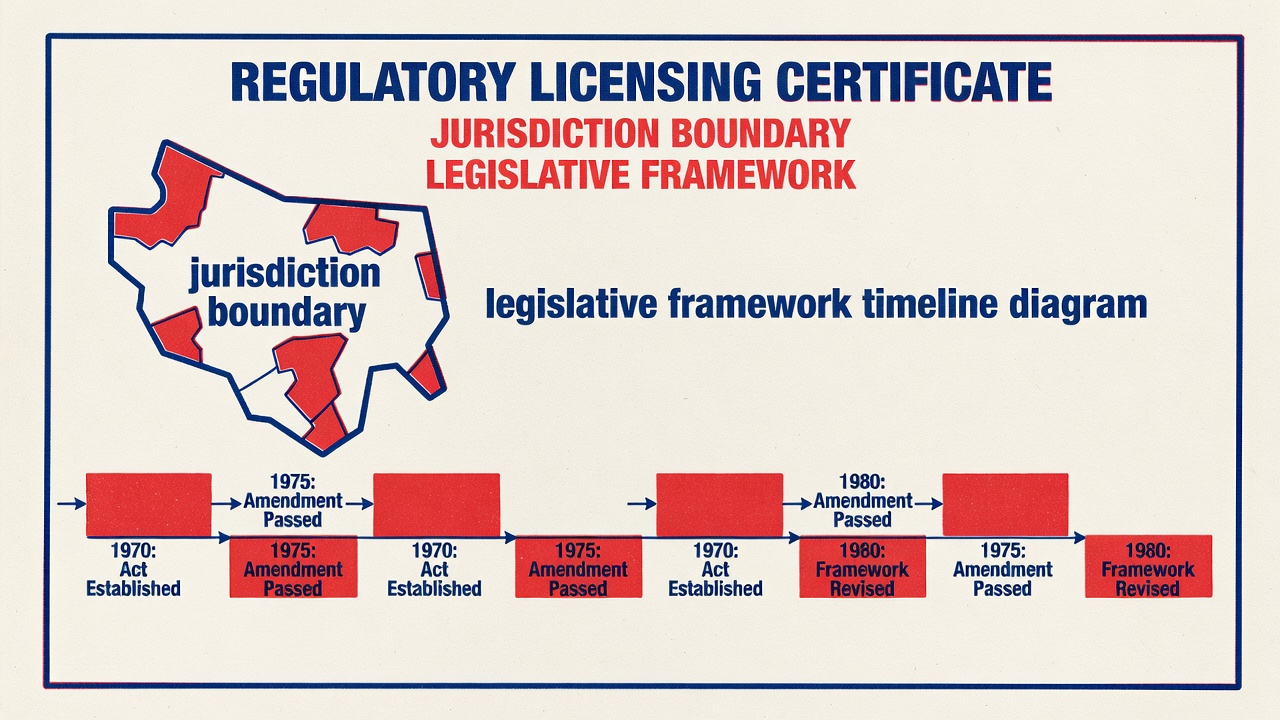
The initial 1999 Gaming Act created two distinct license types: land-based casinos and remote gaming operators. This distinction matters. A remote gaming license carried different obligations than a physical venue permit. Remote operators had to meet standards around random number generation, payout percentages, and player protection mechanisms that were stringent for the era.
By 2004, Malta revised its framework. The new Gaming Act expanded licensing categories and clarified what each license type permitted. Remote operators could offer slots, table games, and sports betting under different subcategories. Each came with specific tax rates, technical requirements, and customer protection obligations.
In 2007, Malta established the Malta Lotteries and Gaming Authority as an independent entity. This was a consolidation step. Previously, gaming regulation was scattered across multiple government entities. The new authority centralized licensing, compliance monitoring, and enforcement. From that point forward, an MGA license meant oversight by a dedicated gaming regulator.
The 2015 Modernization
In 2015, Malta underwent full regulatory modernization. The Gaming Act was replaced with a new framework. The Malta Gaming Authority was reconstituted with expanded powers. This version distinguished between land-based licenses and remote gaming operator licenses with greater precision.
Under the 2015 framework, an RGO license covers specific activities: operation of online slots and table games, sports betting, bingo, and certain other remote wagering activities. Critically, it does not cover unlicensed games of chance. An operator licensed in one category cannot offer unlicensed games in another. The MGA's core function became enforcement of this boundary.
What the License Actually Covers Today
A current Malta Gaming Authority remote gaming license permits an operator to offer games in specific categories. Sports betting licenses are separate from casino licenses, though an operator can hold both. Each has its own technical standards documentation. A casino license covers online roulette, blackjack, slots, baccarat, and similar games of chance. It does not cover poker against other players or unlicensed novelty games.
The license comes with ongoing obligations. Operators must maintain segregated player funds in approved accounts. They must employ certified RNG systems. They must offer player protection tools: deposit limits, self-exclusion, reality-check notifications. They must keep detailed records of all transactions and report suspicious activity to the MGA's compliance team.
The MGA also requires operators to demonstrate financial stability and source of funds. A license holder cannot obscure its ownership structure. This is enforced through beneficial ownership documentation and ongoing oversight.
The Practical Boundary
Where the license draws its line is important to understand. The MGA does not regulate physical casinos on Malta's territory. That is a different license type and different regulator. The Malta Gaming Authority's RGO license is specifically for remote operations: online only. An operator holding an MGA license can legally offer games only through digital channels.
The regulatory model assumes that a Malta license provides sufficient consumer protection that players in other jurisdictions can trust a Malta-licensed operator. The European Union largely accepted this logic. A player in Ireland or Spain could legally play at a Malta-licensed casino because Malta's regulatory bar was deemed acceptable.
Current Landscape
The Malta Gaming Authority continues to issue, renew, and revoke licenses. Since the 2015 framework, over three hundred remote gaming operators have held active licenses. Not all remain licensed. The MGA has been increasingly active in enforcement, particularly around responsible gambling compliance.
The authority publishes a public register of licensed operators. This transparency serves as both a consumer protection measure and a mark of legitimacy. An operator not on the Malta register is not licensed by the MGA.
Understanding what a Malta Gaming Authority license actually covers requires understanding this history. It is a remote-only, category-specific license with substantial ongoing compliance obligations, issued by a dedicated authority that publishes its requirements and maintains enforcement capability.