Reload Bonuses: What They Are and When Players Typically Use Them
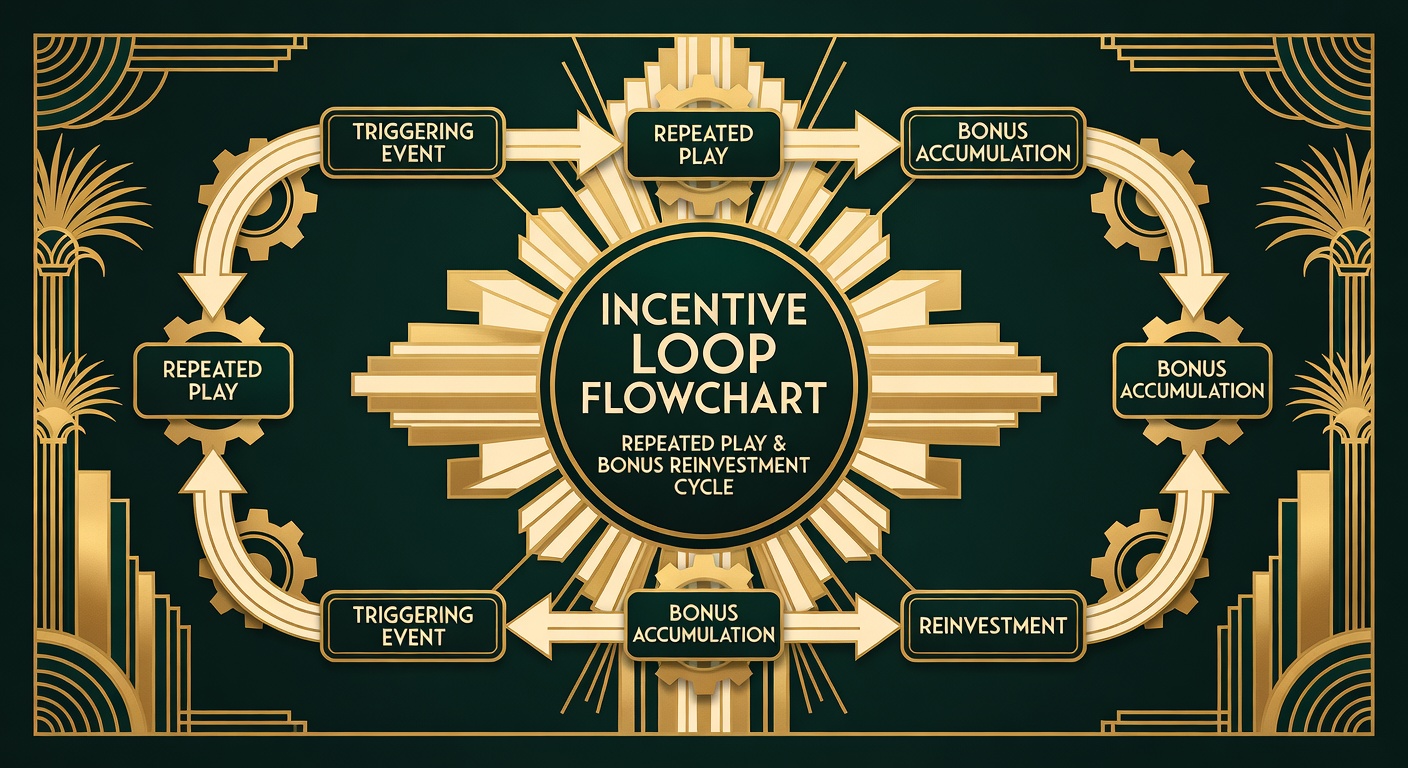
A reload bonus is an incentive offered to a player who has already deposited once before. The player comes back and deposits again. The casino offers a bonus on top of the deposit. The message is: we want you to come back and we are willing to pay for it.
From a game design perspective, reload bonuses are a retention mechanism. The player has churned and is now inactive. The casino wants to reactivate them. The bonus is the reactivation incentive.
How do they work mechanically. You have been away from the casino for a week. You get an email offering a 50 percent reload bonus on your next deposit. You deposit $100, you get a $50 bonus. You now have $150 to play with. The bonus has to be played through at a specified rate before it becomes withdrawable.
What the casino is really saying: we make money when you play. We are willing to lose $50 on the bonus if you play long enough to lose $100 on expected value to us. The casino needs your play frequency to justify the cost of the bonus.
The psychology is interesting. Reload bonuses feel like rewards for loyalty. You feel like the casino is thanking you for being a customer. In reality, the casino is paying you to gamble more. The emotion of being rewarded is what makes you want to take the bonus. The math of the bonus is what makes you eventually lose money.
When should you actually use a reload bonus. Use it if you were already planning to deposit and gamble at that casino. The bonus is free money in that case. Do not use it if you have not played in a week because that is a signal you are not interested in that casino anymore. The bonus is trying to change your mind but your disengagement is a sign the casino does not have something you want.
The harder question: are reload bonuses worth it. The bonus itself has a playthrough requirement and a contribution rate. You need to calculate whether your expected value at the casino exceeds the bonus. This is rare. Most bonuses are negative expected value when you account for the playthrough.
Here is the game design challenge the casino is solving: how do you get someone to come back to your casino instead of the ten other casinos they could visit. The reload bonus is the mechanic that does this. It creates a short-term incentive that overrides the lack of differentiation between casinos.
From your perspective: if you are going to play casino games, you might as well use a reload bonus when it is available. But do not let the bonus be the reason you decide to play. If you are not interested in gambling, a bonus does not make gambling a good decision.
The practical takeaway here is to always examine the underlying mechanics rather than accepting surface-level explanations. When you understand how something actually works, you gain power over it. This knowledge compounds as you build mental models across domains.
This principle applies more broadly than many people realize.