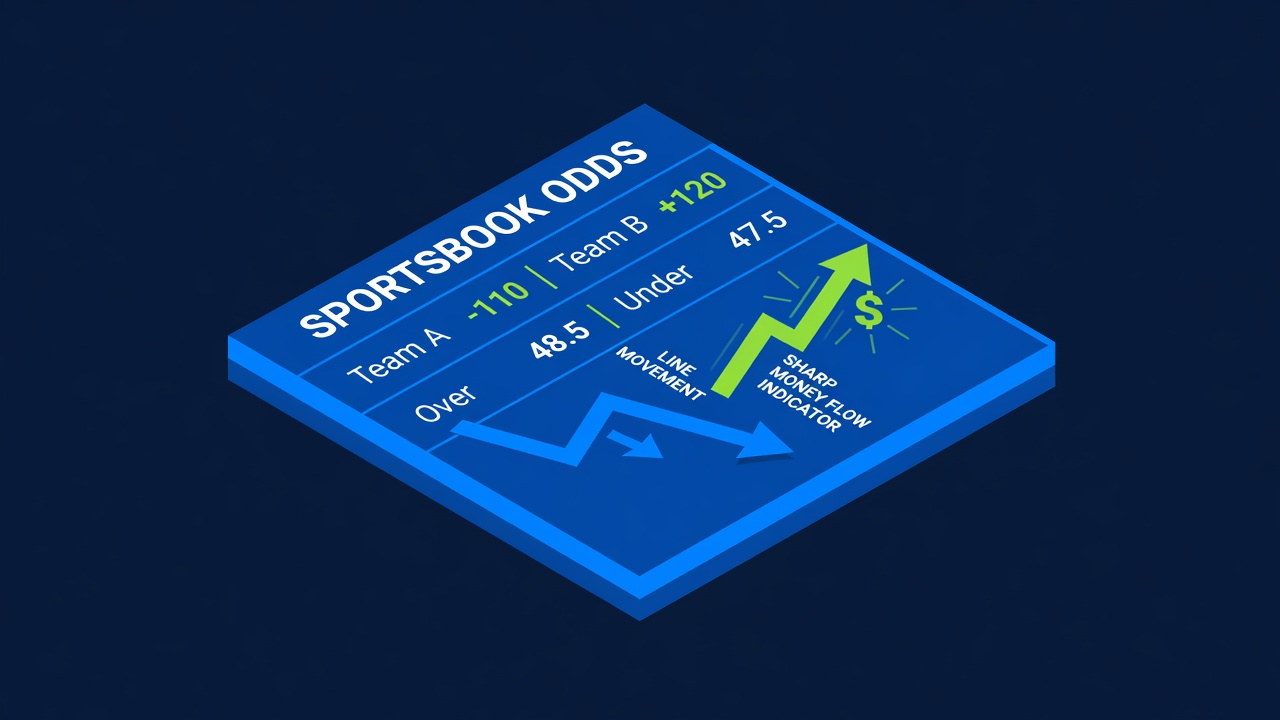
A line is posted. New York Yankees at minus-110. Boston Red Sox at minus-110. Even money. The book opens the line and waits. Usually a small amount of money comes in on both sides.
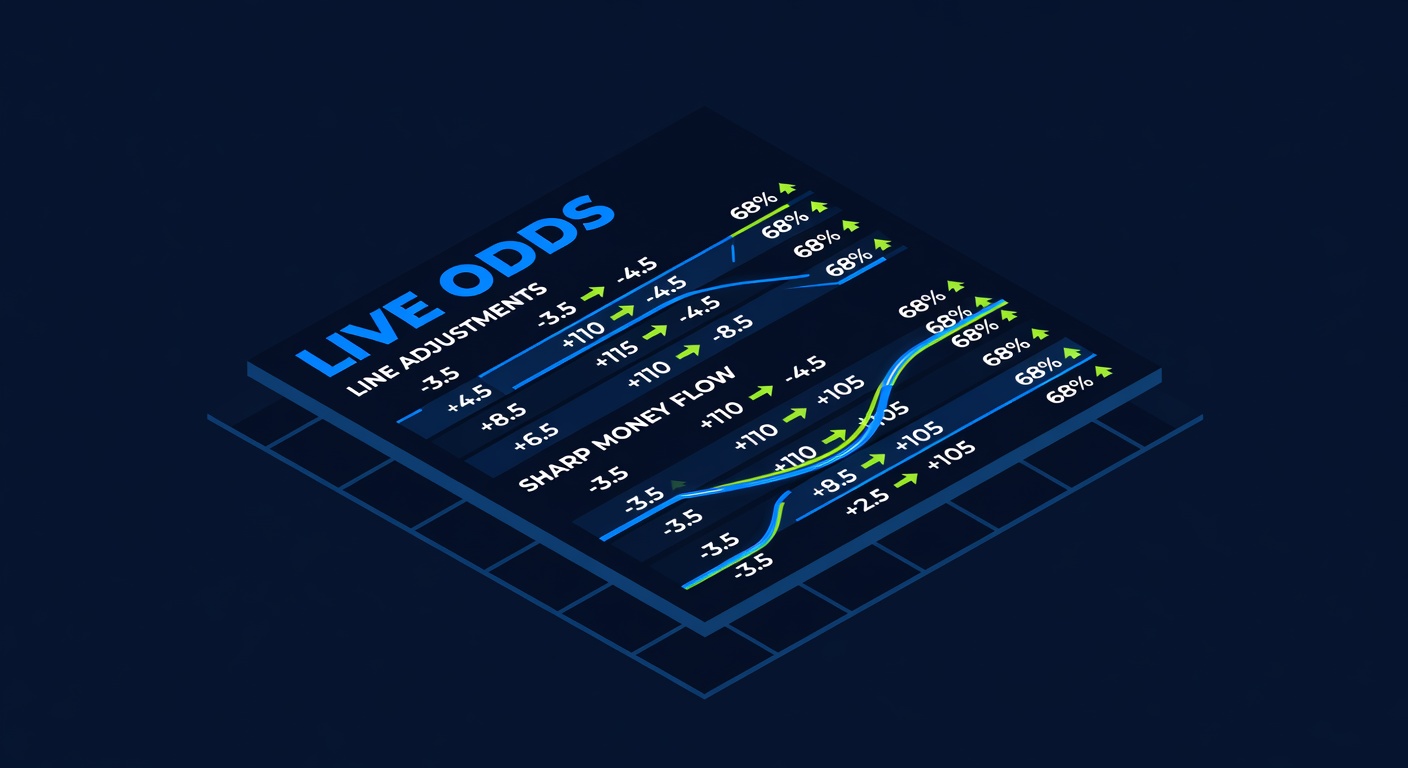
But sometimes a large amount of money comes in on one side very quickly. Sharps (professional bettors) have recognized something about the matchup that the sportsbook missed. They flood money onto one side. The sportsbook's computer sees the money moving and immediately adjusts the line. The money coming in triggers the move.
This is called steam. The money is steaming in and the line is steaming up (or down).
Here is what happens next. Once the sharps have moved the line, other sportsbooks see the adjustment and adjust their own lines to match. The market-wide line moves. The casual bettors see the new line and they wonder what changed. Nothing changed except that someone smarter than them decided to bet.
Why does this matter. Because steam is evidence of real information. When you see a line move significantly, the move is probably because someone knew something. That someone was probably right.
You can use steam to your advantage. If you see a line that has moved significantly in one direction, it usually means the sharps have identified something. You can follow the sharps. You can use the movement as evidence that the line has moved to a better number.
But there is a trap: not all line movement is steam. Sometimes a line moves because one side got too much action and the sportsbook is trying to balance their book. This is different from steam.
How do you tell the difference. Steam happens fast. The line moves in minutes. Balancing moves happen slowly over hours. Steam is one direction. Balancing moves both directions as the book tries to find equilibrium.
The deeper thing to understand: the sportsbook is not trying to predict the game. The sportsbook is trying to balance money. If 60 percent of the money is on one side, the sportsbook adjusts the line to try to get 50 percent on each side. The goal is not accuracy. The goal is equal action.
So steam is a signal that the sharps see something. Line movement is a signal that the sportsbook is trying to balance. These are different things. When you see steam, the sharps are probably right.
The deeper question to ask yourself is whether you are truly understanding the mechanism or just accepting the narrative. Understanding requires effort. It requires questioning assumptions.
When you apply this thinking consistently, your decision-making improves. You stop accepting explanations at face value. You dig into the mechanics.
The key insight here is recognizing that surface-level understanding misses crucial details. When you take time to examine how things actually work, you see patterns that others miss. This gives you an advantage. The advantage comes from doing the work that most people skip.
Consider how this applies to your own situation. Think about where you have seen this pattern before. Understanding the pattern means you can predict and prepare for it. Knowledge is power because knowledge removes uncertainty.
This insight applies broadly across similar situations and contexts.