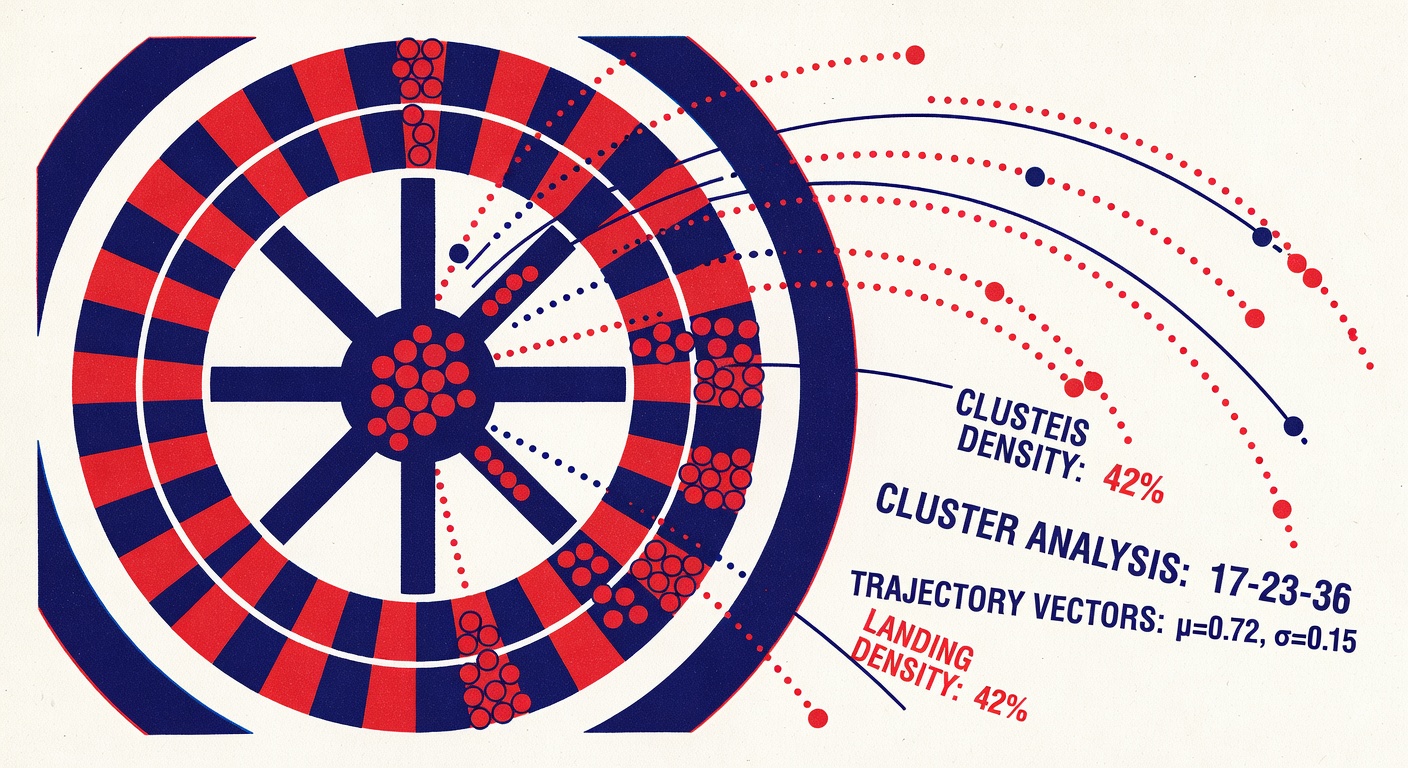
In 1993, a man walked into the Rio in Las Vegas and played roulette. He bet on black for five hours straight. He won 28 consecutive hands on black. The probability of this happening is roughly 1 in 268 million. He turned $1,000 into approximately $600,000. He walked away.
This is not a special technique. This is variance. In a game with a house edge, you will occasionally see massive winning streaks. These streaks are consistent with the probability distribution of the game. They are not the sign of a system that works.
But the story is legendary because it feels impossible. The other roulette systems that were attempted and failed number in the thousands. The one lucky streak numbers in the ones. The media reported on the lucky streak. No one reports on the systems that failed.
Another legendary win: a man in Monaco placed a single bet on red and won 32 consecutive hands. The odds of this are roughly 1 in 4 billion. He was betting progressively larger amounts as he won, so by the end he had won a life-changing amount of money. He left and never played again. This is the smart way to handle a winning streak.
Here is what these wins tell you: roulette is a random game. Random games produce random outcomes. Sometimes the outcomes are wildly improbable. When they are improbably good, we call them legendary. When they are improbably bad, we call them bad luck.
The legendary wins are not evidence of a system. They are evidence that in a game with billions of spins across the world every year, some of those spins will produce statistically improbable results. The roulette wheel does not care about the probability. It just spins.
So if you hear a story about someone winning millions on roulette, understand that it is a real event but it is an extremely improbable event. It does not mean a system exists. It means someone got very lucky.
The deeper question to ask yourself is whether you are truly understanding the mechanism or just accepting the narrative. Understanding requires effort. It requires questioning assumptions.
When you apply this thinking consistently, your decision-making improves. You stop accepting explanations at face value. You dig into the mechanics.
The key insight here is recognizing that surface-level understanding misses crucial details. When you take time to examine how things actually work, you see patterns that others miss. This gives you an advantage. The advantage comes from doing the work that most people skip.
Consider how this applies to your own situation. Think about where you have seen this pattern before. Understanding the pattern means you can predict and prepare for it. Knowledge is power because knowledge removes uncertainty.
The long-term benefit of understanding these mechanisms compounds over time. Every decision you make using this knowledge is better informed. The small improvements accumulate and create meaningful differences in your outcomes. This is why taking time to truly understand matters. This matters because it affects your future decisions and outcomes.
This insight applies broadly across similar situations and contexts.