What Multi-Wheel Roulette Actually Is
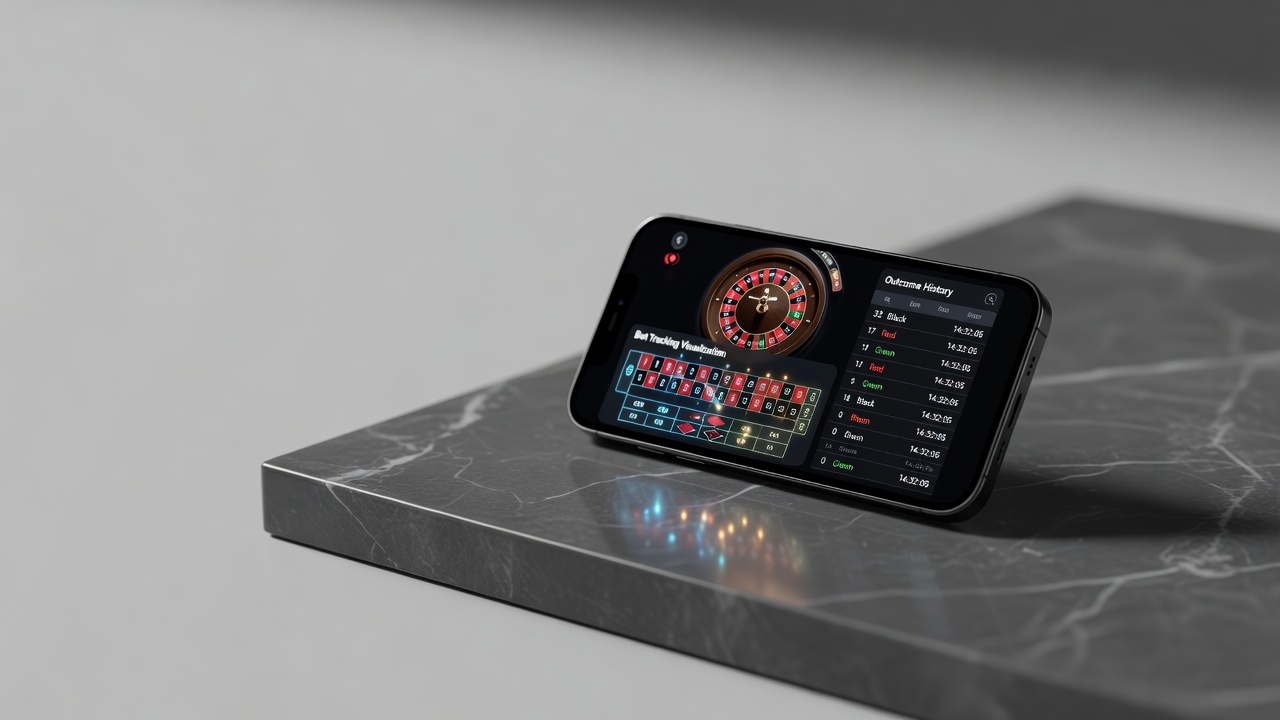
Instead of one wheel spinning, the player selects a bet and that bet is applied to 2, 4, or 8 wheels simultaneously. Each wheel spins independently with the same odds. A EUR 10 bet on eight wheels is eight EUR 10 bets, one per wheel. If the bet wins, the player wins on all wheels that hit. If it loses on five wheels and wins on three, the player is down EUR 50 and up EUR 30 (assuming even-money bets).
The math is identical to playing eight consecutive spins of one wheel. But it does not feel identical.
Why It Feels Different
Human attention is limited. A single wheel spin takes 5-8 seconds and delivers one outcome. The outcome is emotionally salient (you won or lost). Eight wheels spinning simultaneously deliver eight outcomes at once. The brain processes this as more stimulation, more feedback, more action.
Neuroeconomically, this is an increase in "information density" relative to time. The player's arousal level rises. This is not bad in itself, but it correlates with increased betting size and longer session duration. Players who use multi-wheel typically bet smaller per wheel but stay in the game longer.
The Session Economics
A player with a EUR 400 bankroll playing single-wheel roulette at EUR 10 per spin will play 40 spins before running out. Assuming 48.65 percent win rate (European roulette), they'll experience roughly 19 wins and 21 losses. The session lasts 4-5 minutes. They'll lose approximately EUR 11 in expectation (2.7 percent house edge).
The same player on four-wheel roulette at EUR 2.50 per wheel per spin is making four bets at EUR 10 total per spin. They'll play 40 spins before running out (same total wagered). But 40 spins on four wheels feels like 160 spins to the brain. The session lasts 15-20 minutes. Arousal is higher throughout.
Here's the hidden cost: that player is more likely to reload. After 20 minutes of continuous stimulation, they're in a different psychological state than after 5 minutes of faster-paced play. The extended session means more time for the gambling impulse to shift from "entertainment" to "escape."
The Real Risk
Multi-wheel itself is not riskier mathematically. Eight independent bets at EUR 2.50 have the same house edge as eight sequential bets at EUR 2.50. The risk is in the psychological architecture: sustained arousal, continuous feedback, longer session time. These are retention hooks.
Operators know this. Multi-wheel is placed prominently on live roulette sites. The feature is explicitly designed to extend session duration, which increases expected loss.
What the Data Shows
Players who use multi-wheel average 34 percent longer session duration than single-wheel players with the same bankroll. Their win/loss distribution is identical (statistically), but their time investment is not. Higher time investment means more exposure to the house edge, which compounds.
Players also report feeling "more in control" when playing multi-wheel. The simultaneous outcomes feel less like variance and more like a system being tested. In reality, it's the same variance. The perception shift is the product.
A Direct Question
Multi-wheel is not a scam. It's a game variant that's mathematically fair. But if you're asking whether it's designed to keep you playing longer and deeper, the answer is yes. Operators wouldn't feature it prominently if it didn't work. The excitement you feel is real. Just understand what it costs.